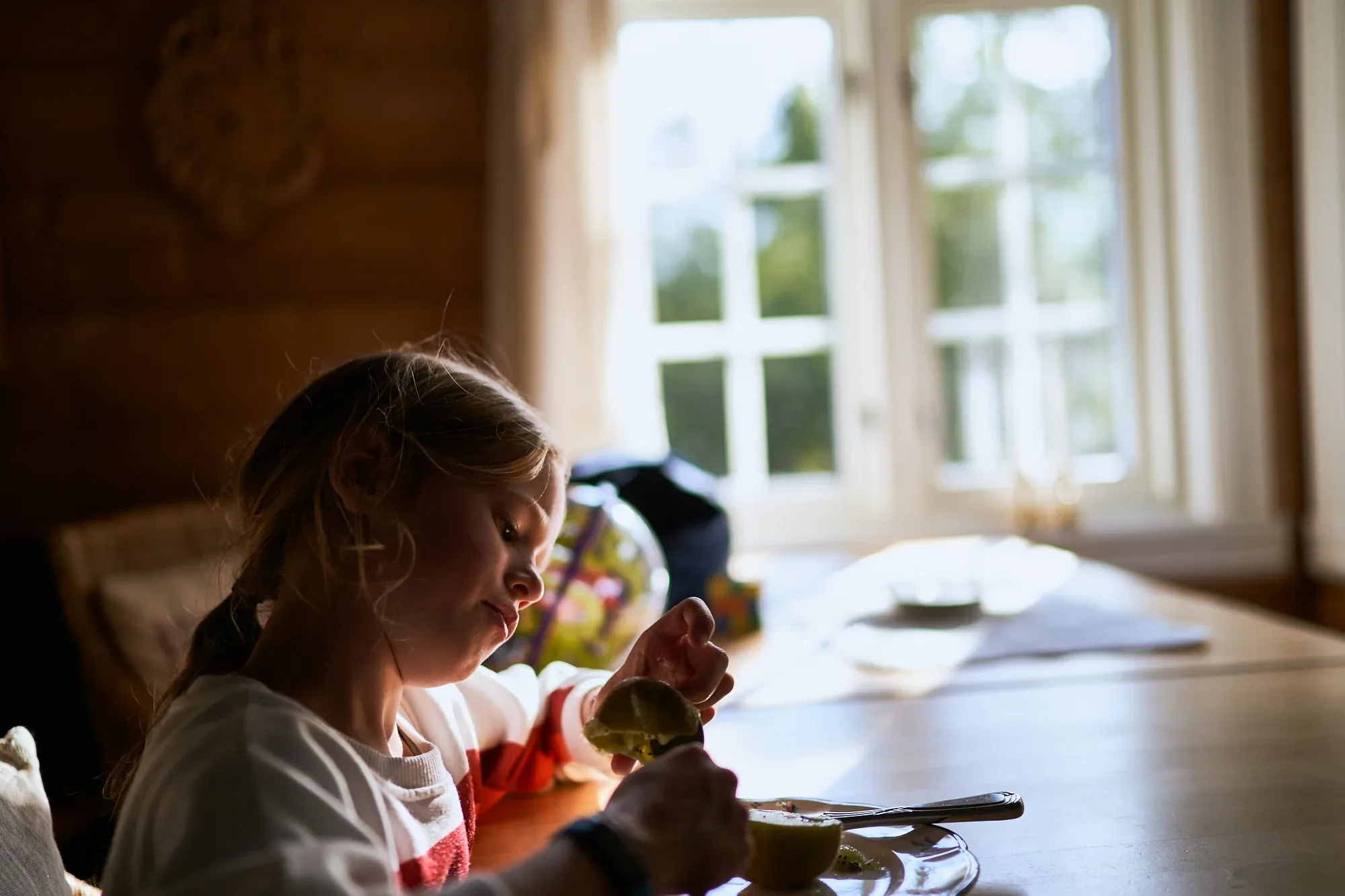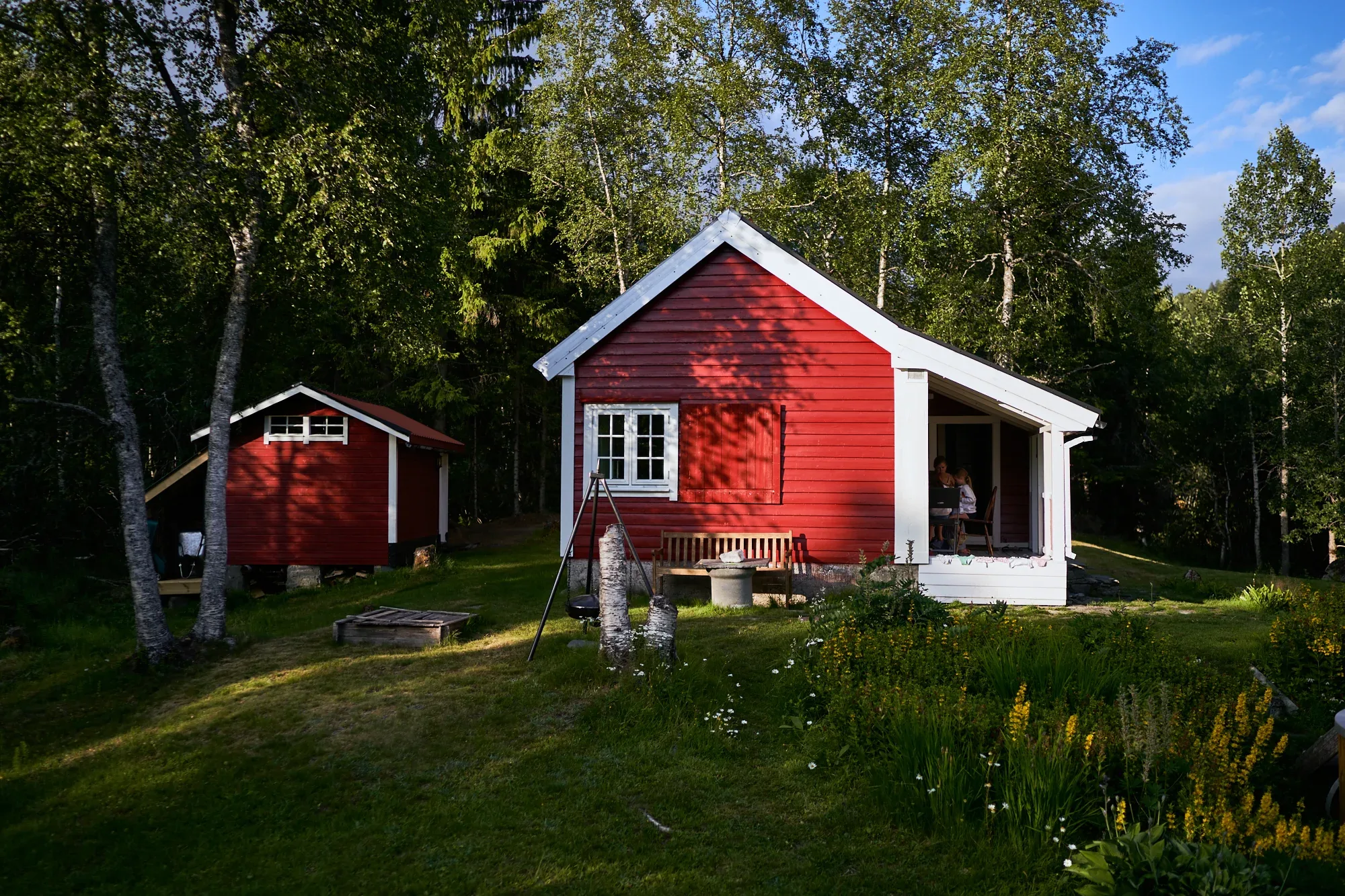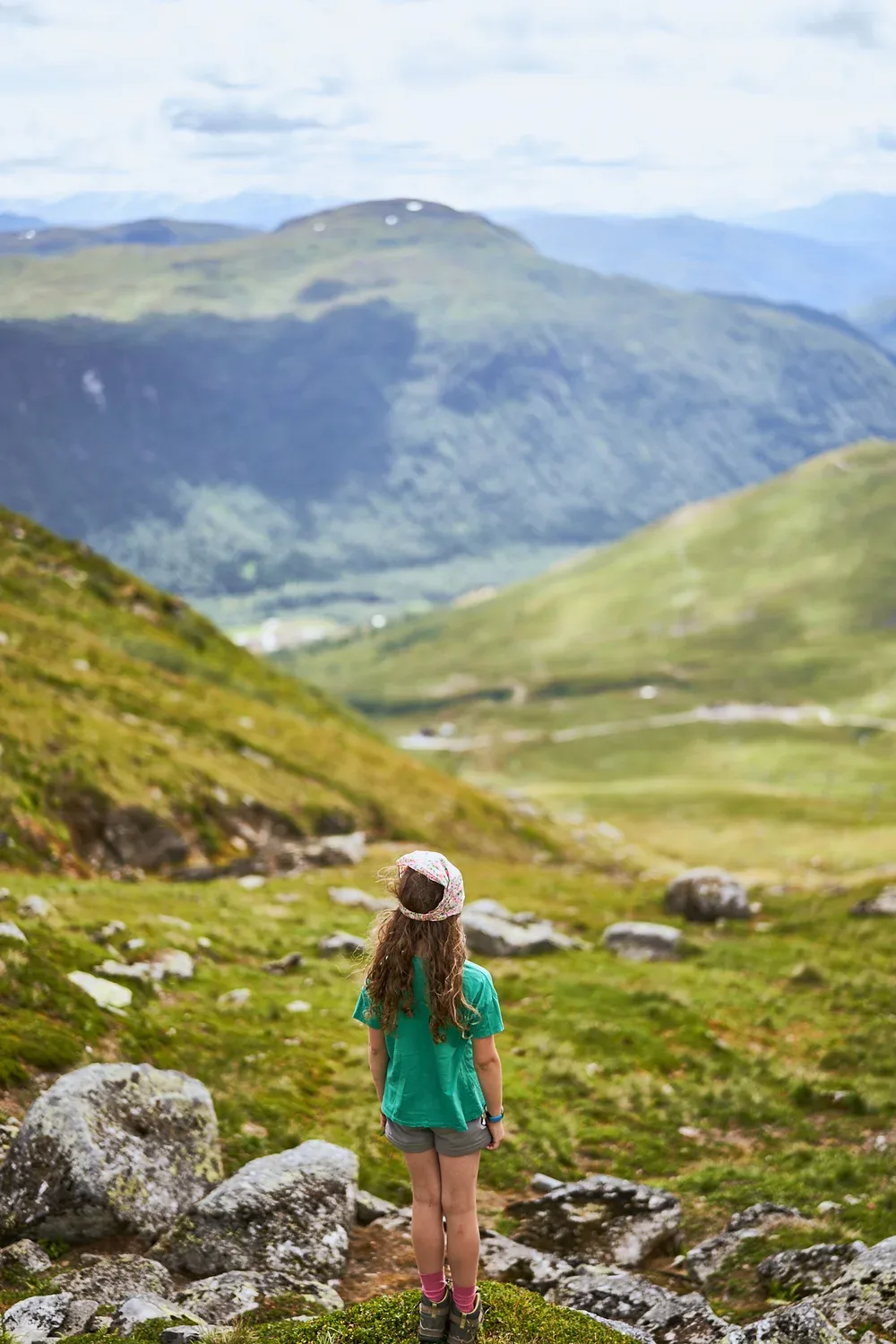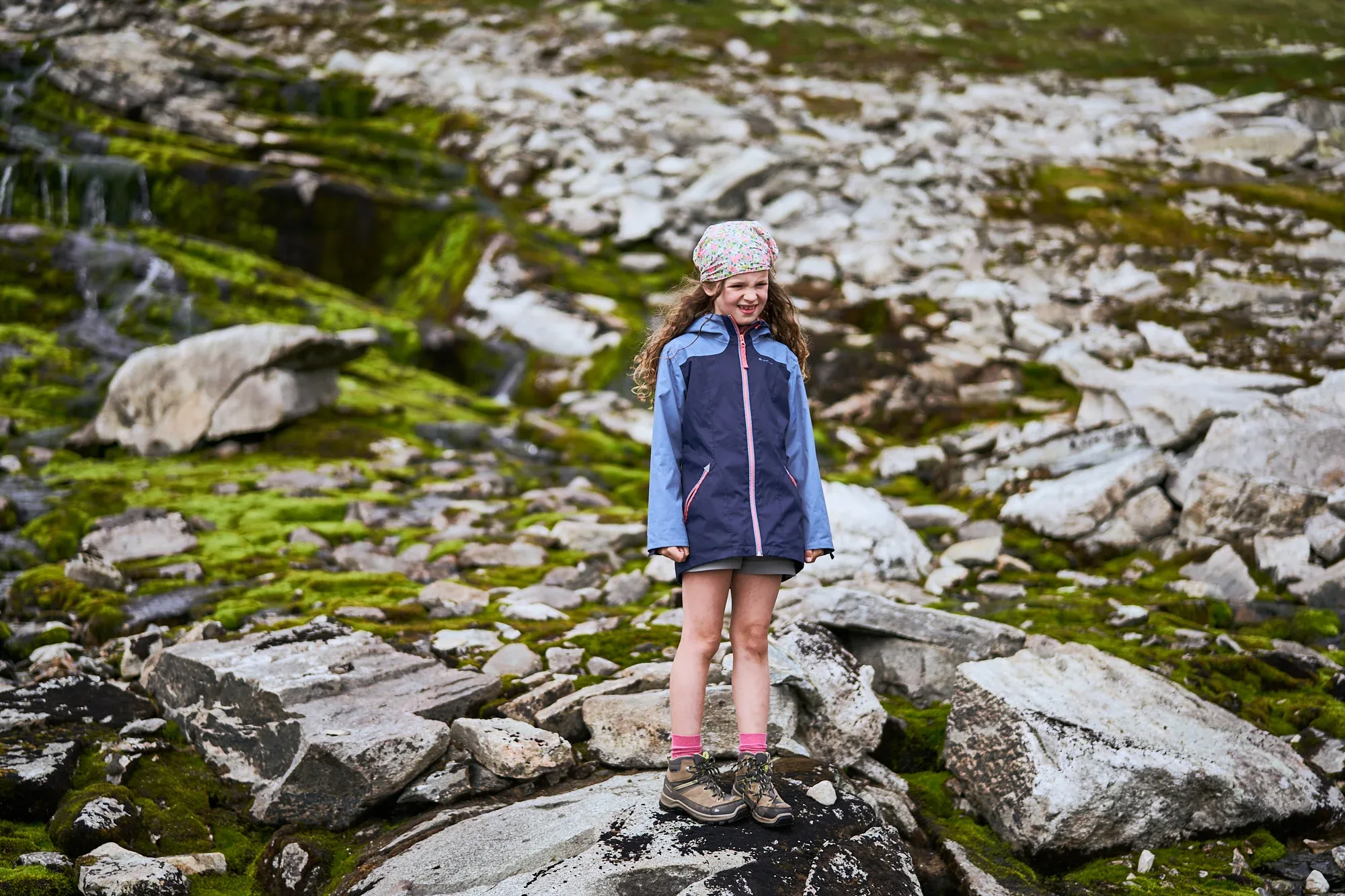
The non-plan
We had no grand plan for the summer.
Just a shared urge to escape routine, head into nature, and spend time together as a family — no schedule, no crowds, no obligations.
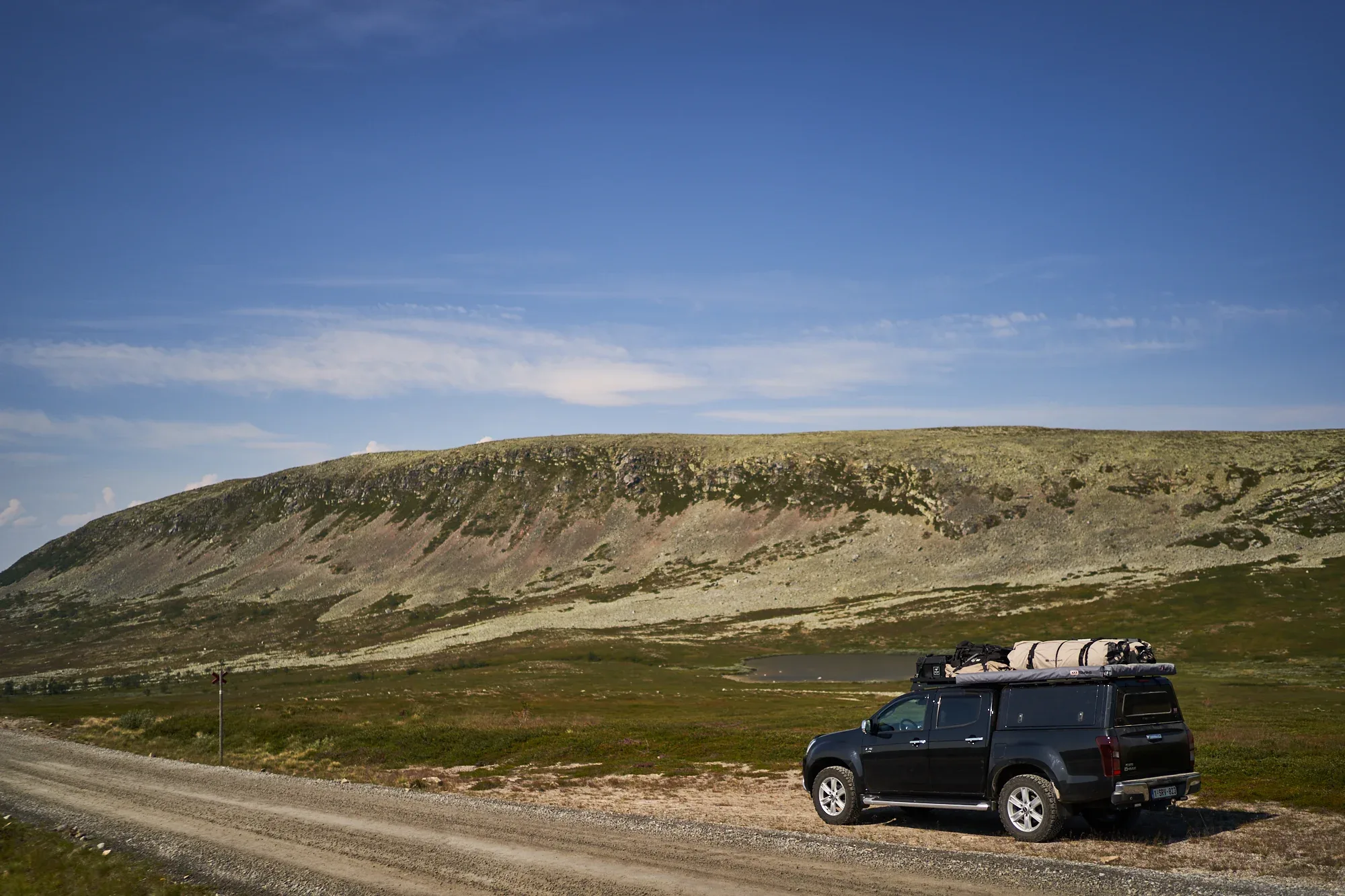
Our few requirements were simple: freedom, nature, and variety. We wanted to move slowly, take small roads, and let chance decide where to sleep — a taste of overlanding between two distant points. Wild camping, small campgrounds, maybe a stuga or lodge here and there. The idea was to live simply and stay self-sufficient.
Scotland was high on our list until we heard about midges. So our minds turned east, to Sweden and Norway — two countries that promised wilderness, lakes, and space. Sweden’s allemansrätten (the right to camp almost anywhere) sounded like heaven. Norway added a touch of drama — mountains, fjords, and childhood memories of my first trip there.
At first, we imagined a huge loop around the Bothnian Sea and back through Finland and the Baltics — until we realized that would be 9,000 km with two kids in the backseat. We settled for something saner: one month through Sweden and Norway, with two planned rest points — a lakeside stuga in southern Sweden and a mountain cabin in Myrkdalen, Norway. Everything in between would be pure improvisation.
The gear
For some, gear talk is dull; for me, it’s half the fun.
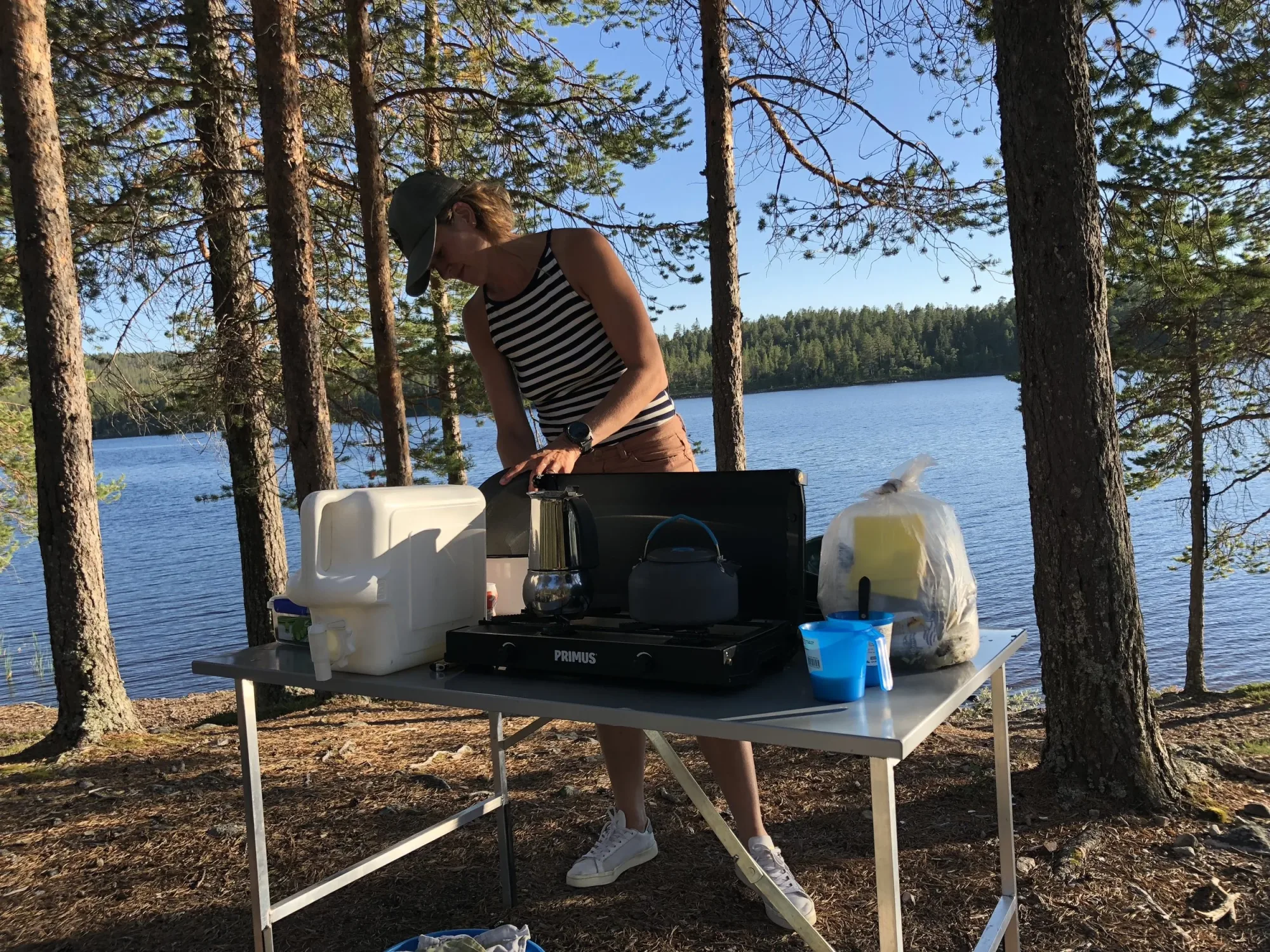
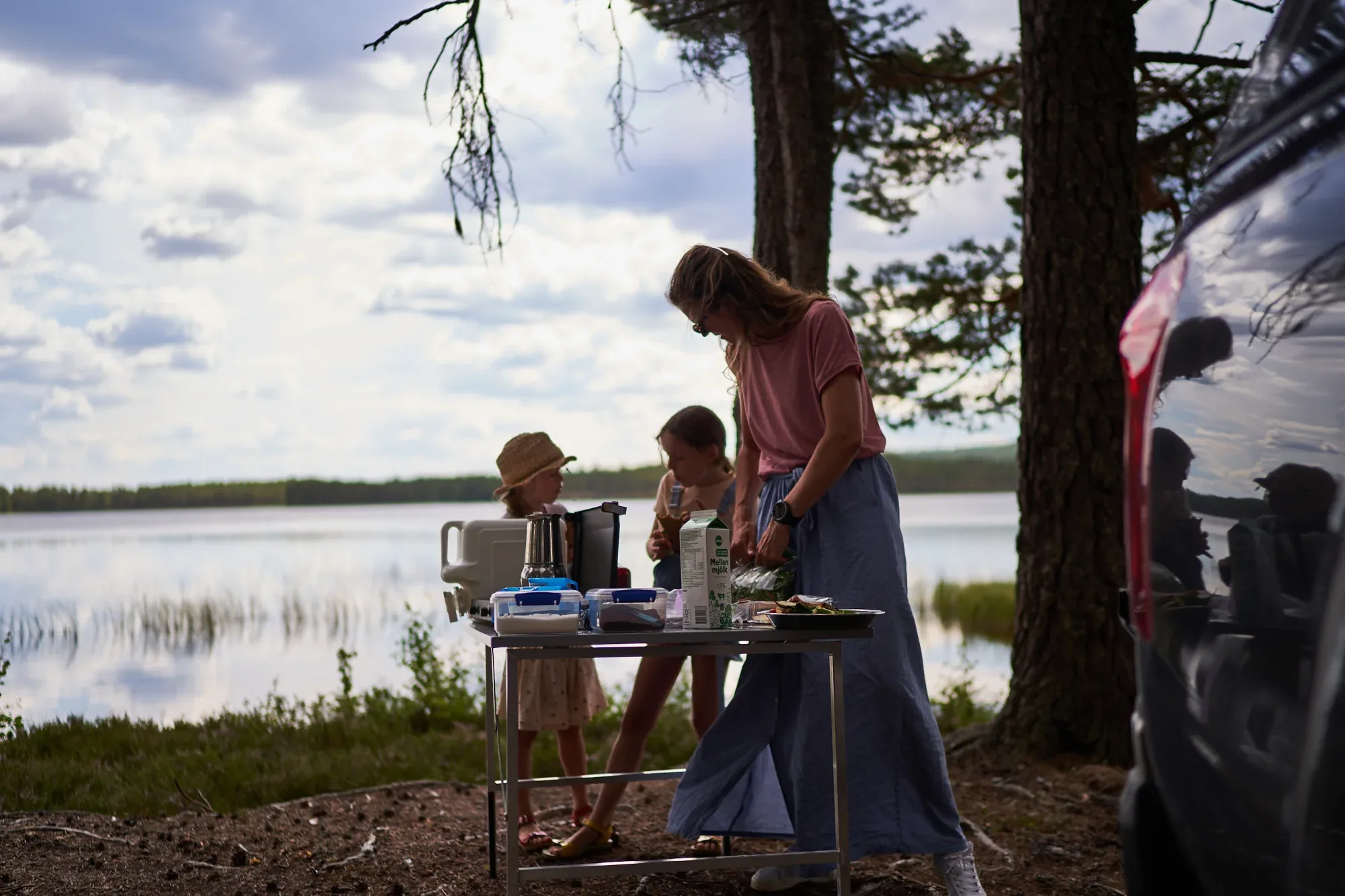
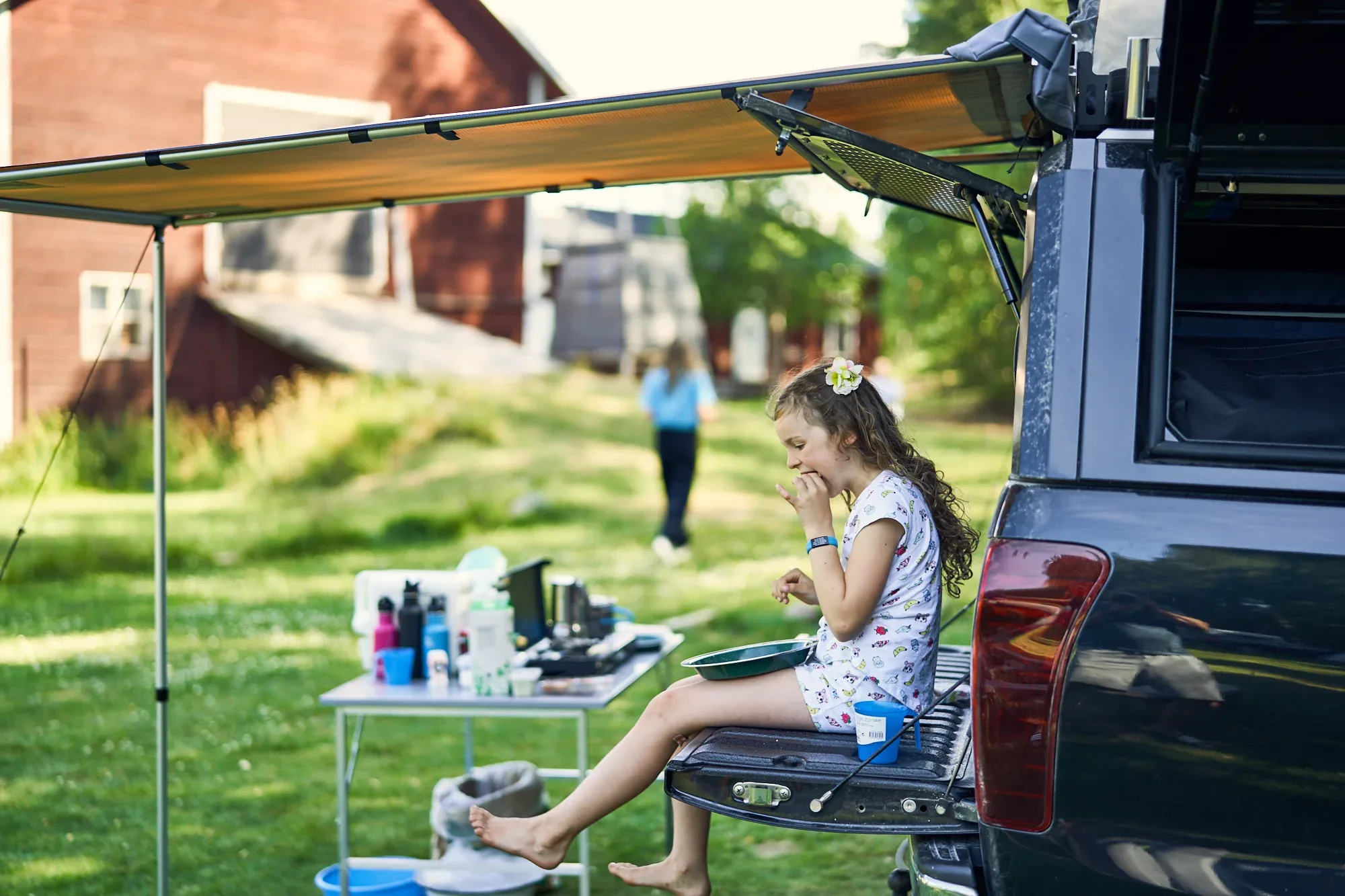
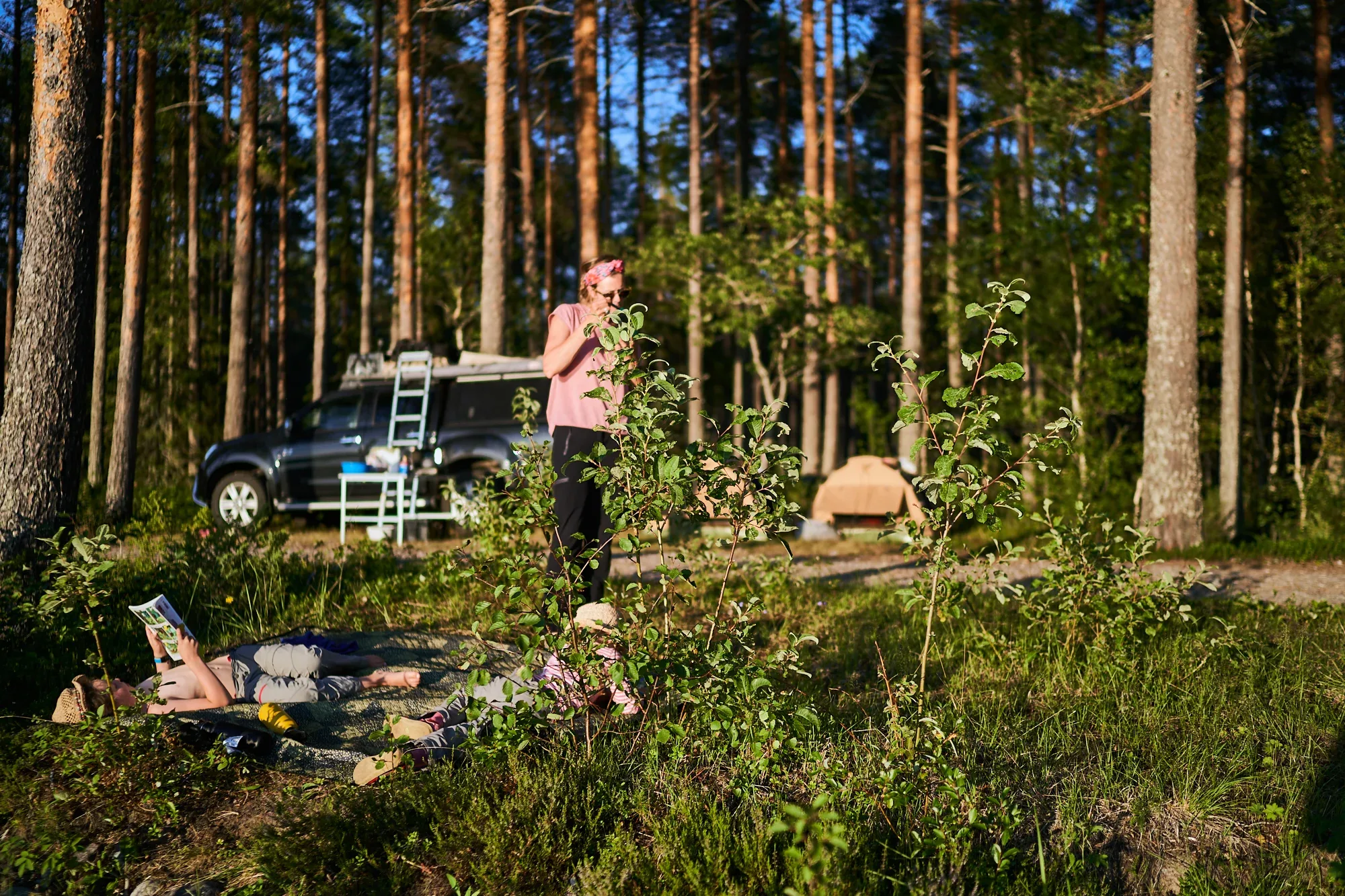
We’ve been camping for years, usually avoiding crowded campgrounds and finding our own quiet spots — with a little help from rangers or local farmers. That independence demands good preparation: water, food, power, and even a shovel “toilet.” We’ve learned to live four days without resupply.
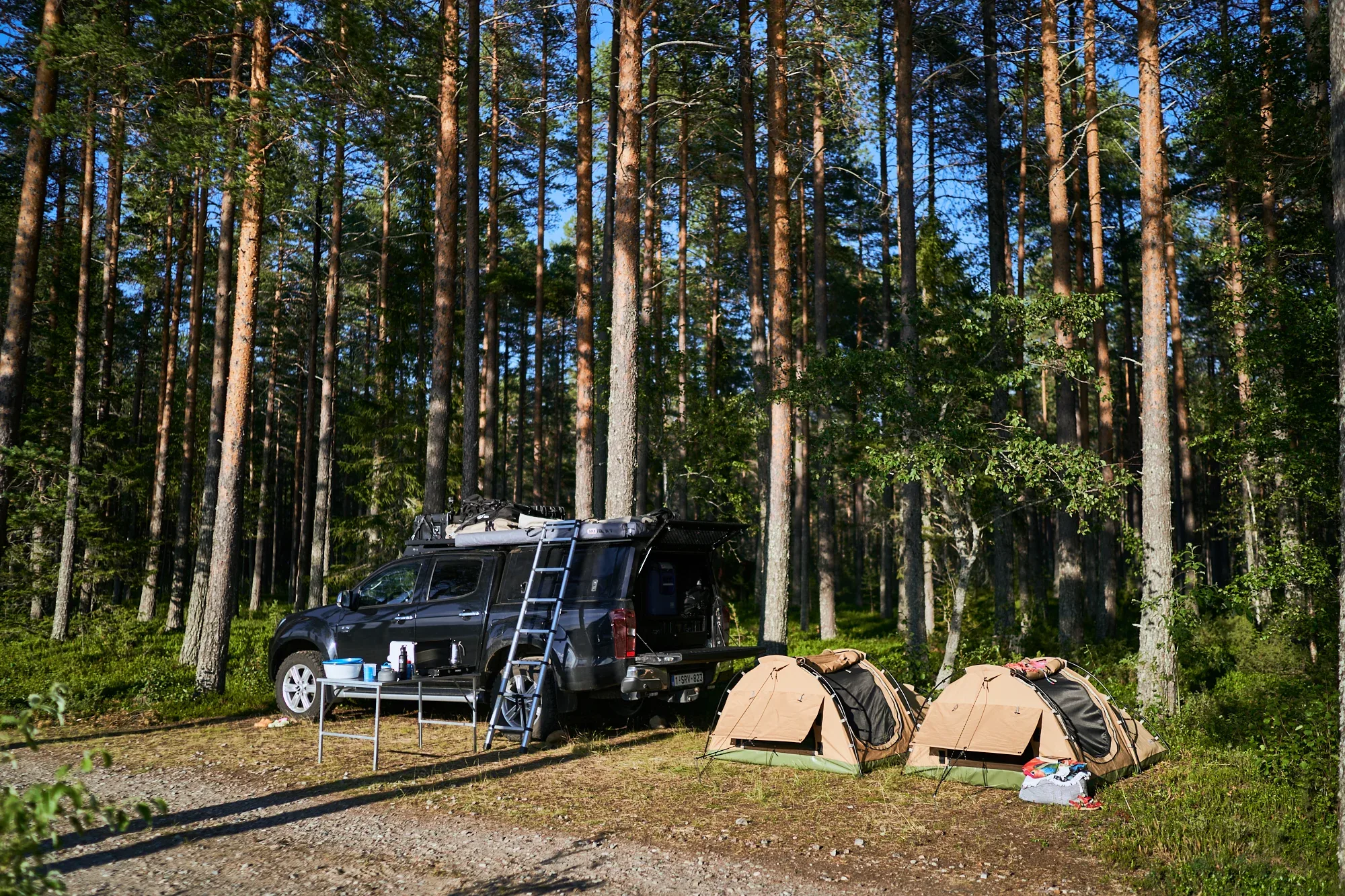
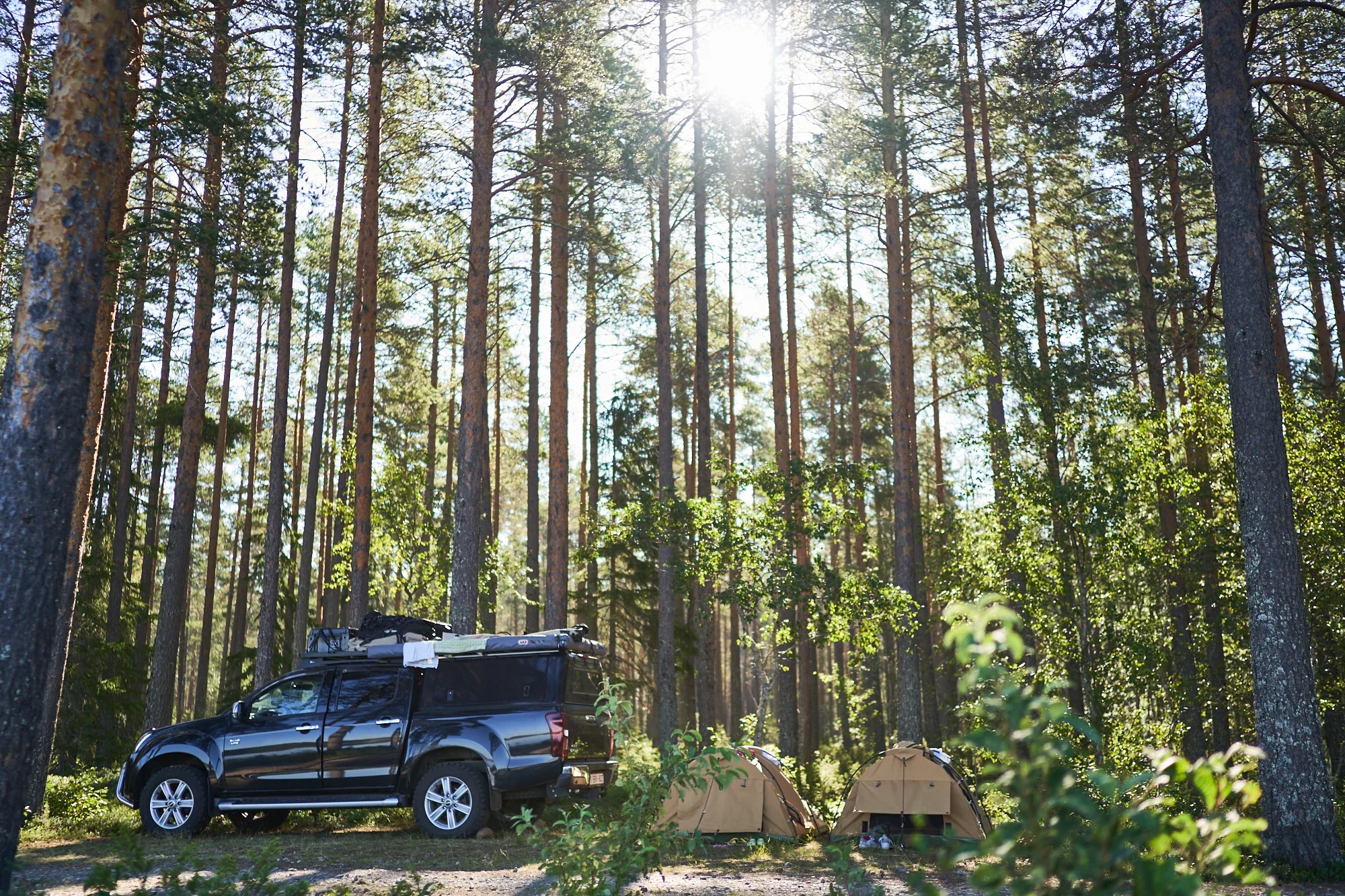
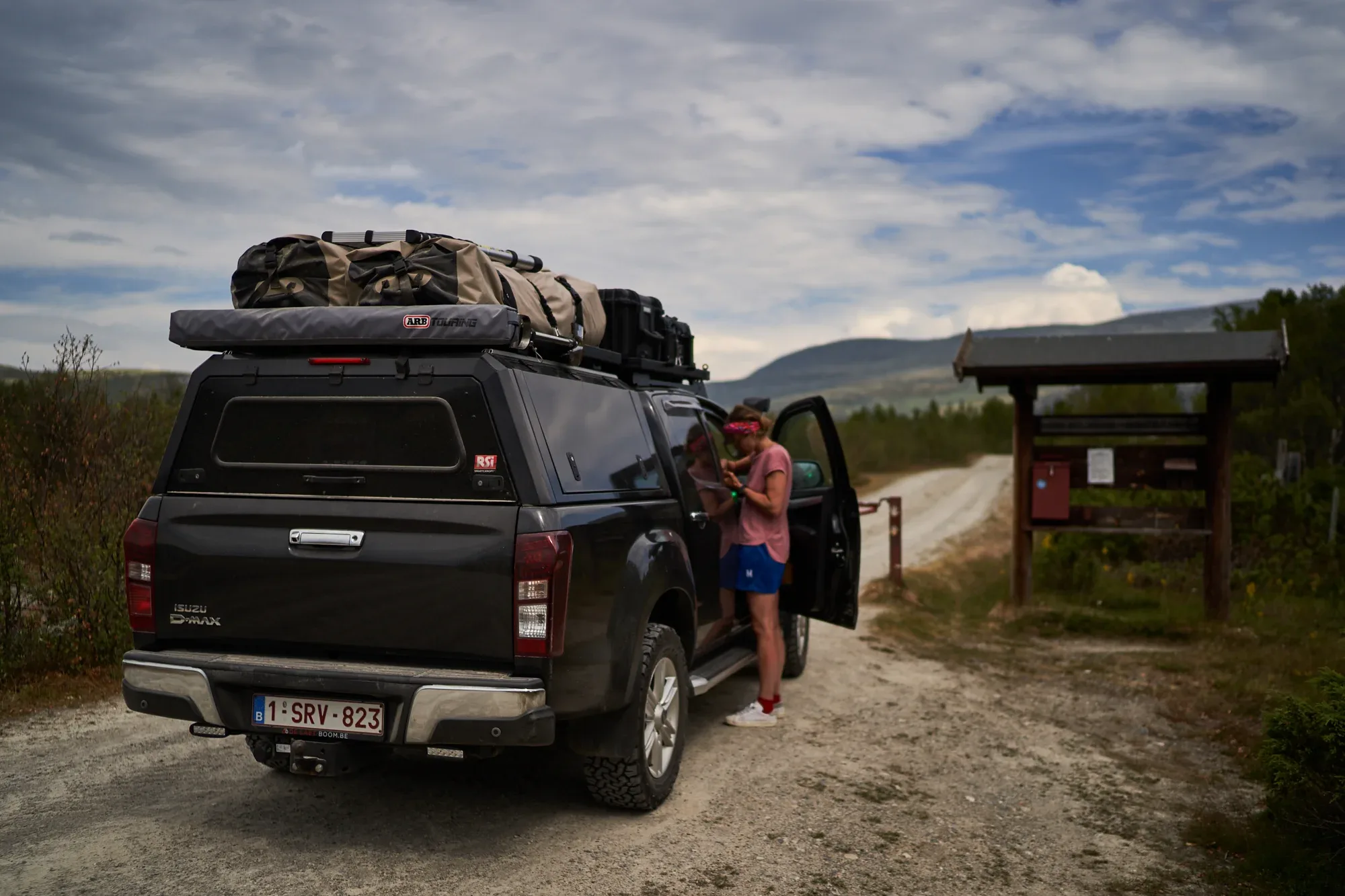
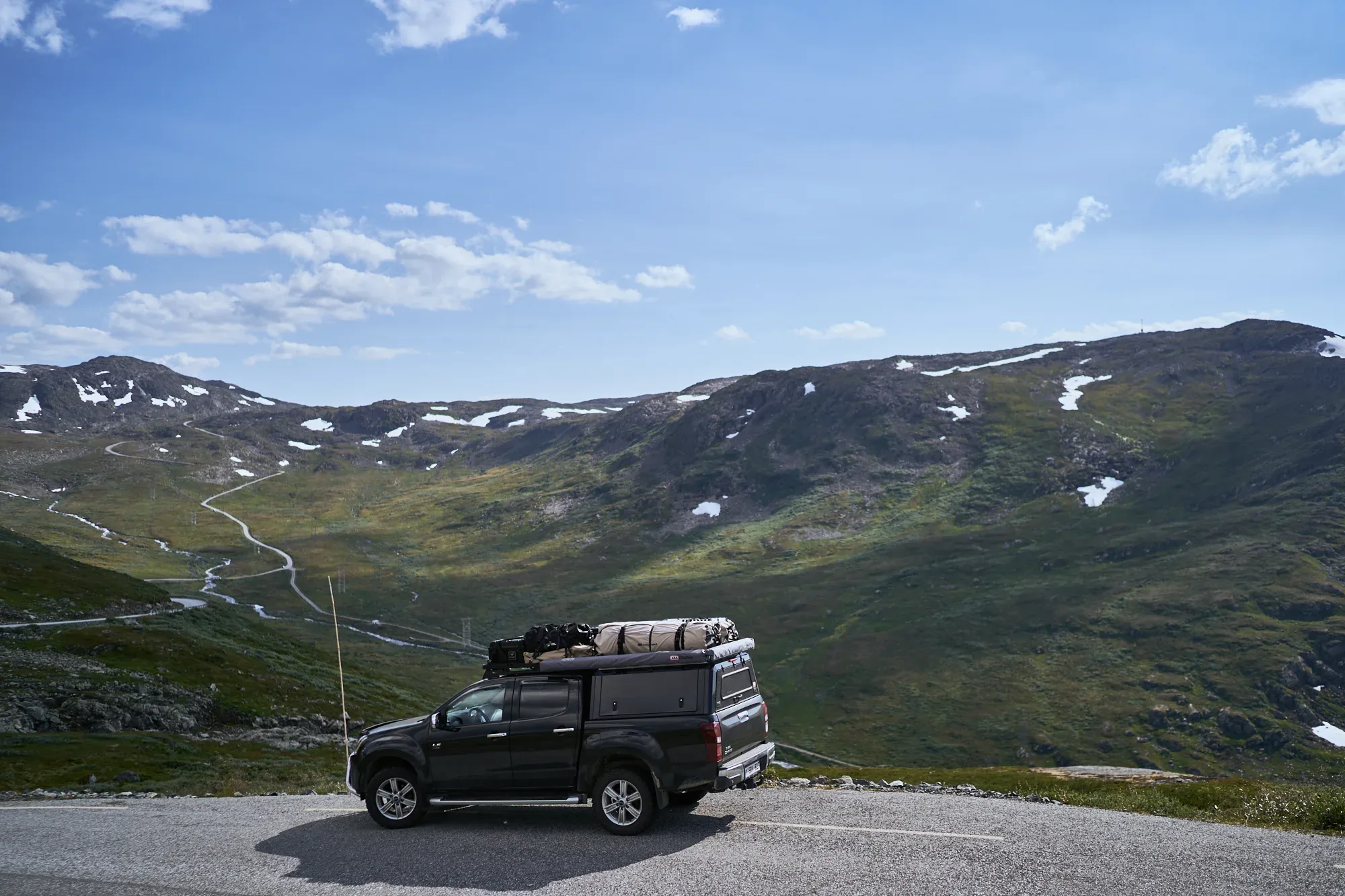
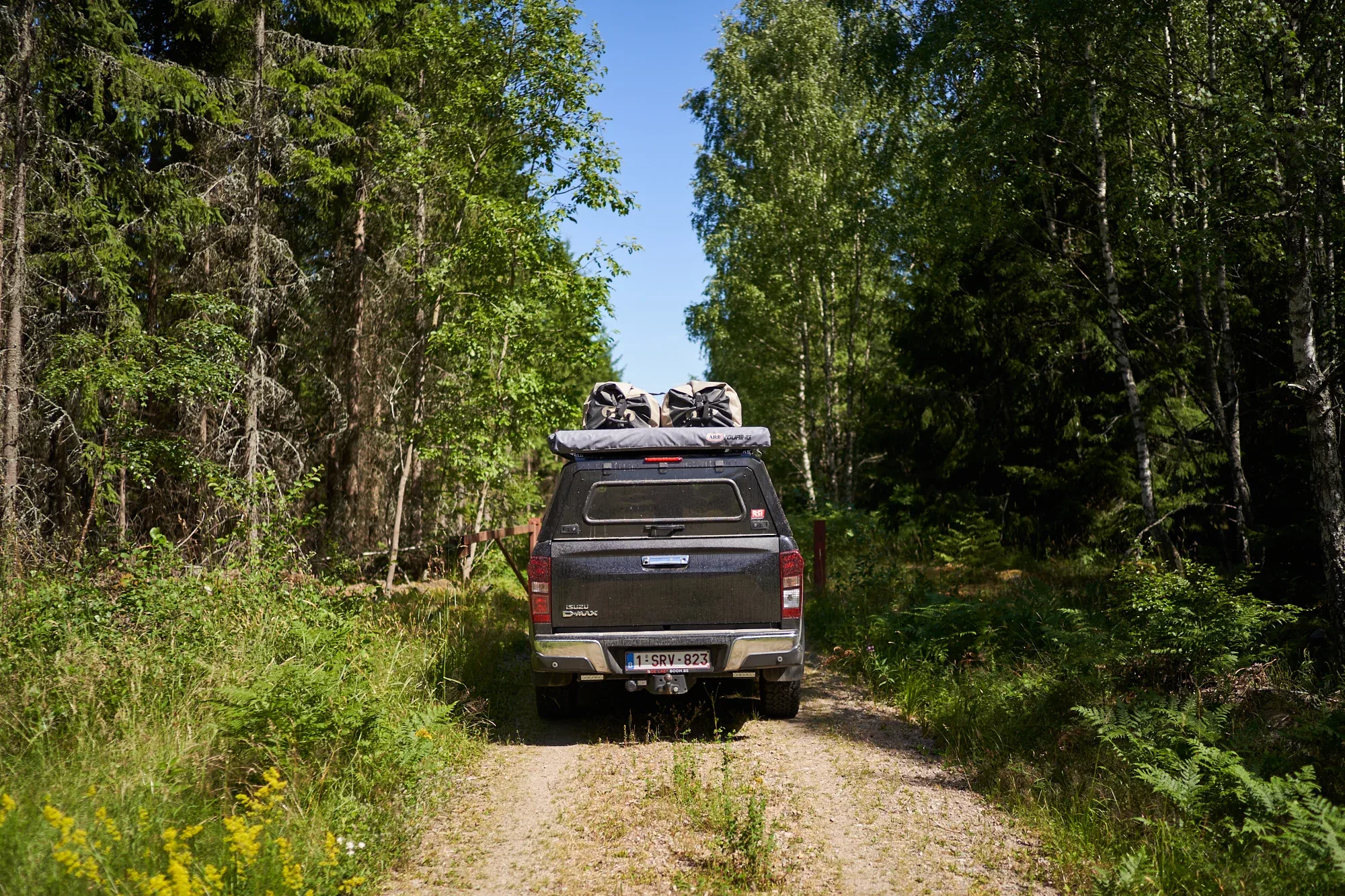
For this long trip, speed and simplicity were key. I swapped our heavy family tent for two lightweight models with built-in air mattresses. Setup time: twenty minutes. Roll them up, strap to the roof, drive away.
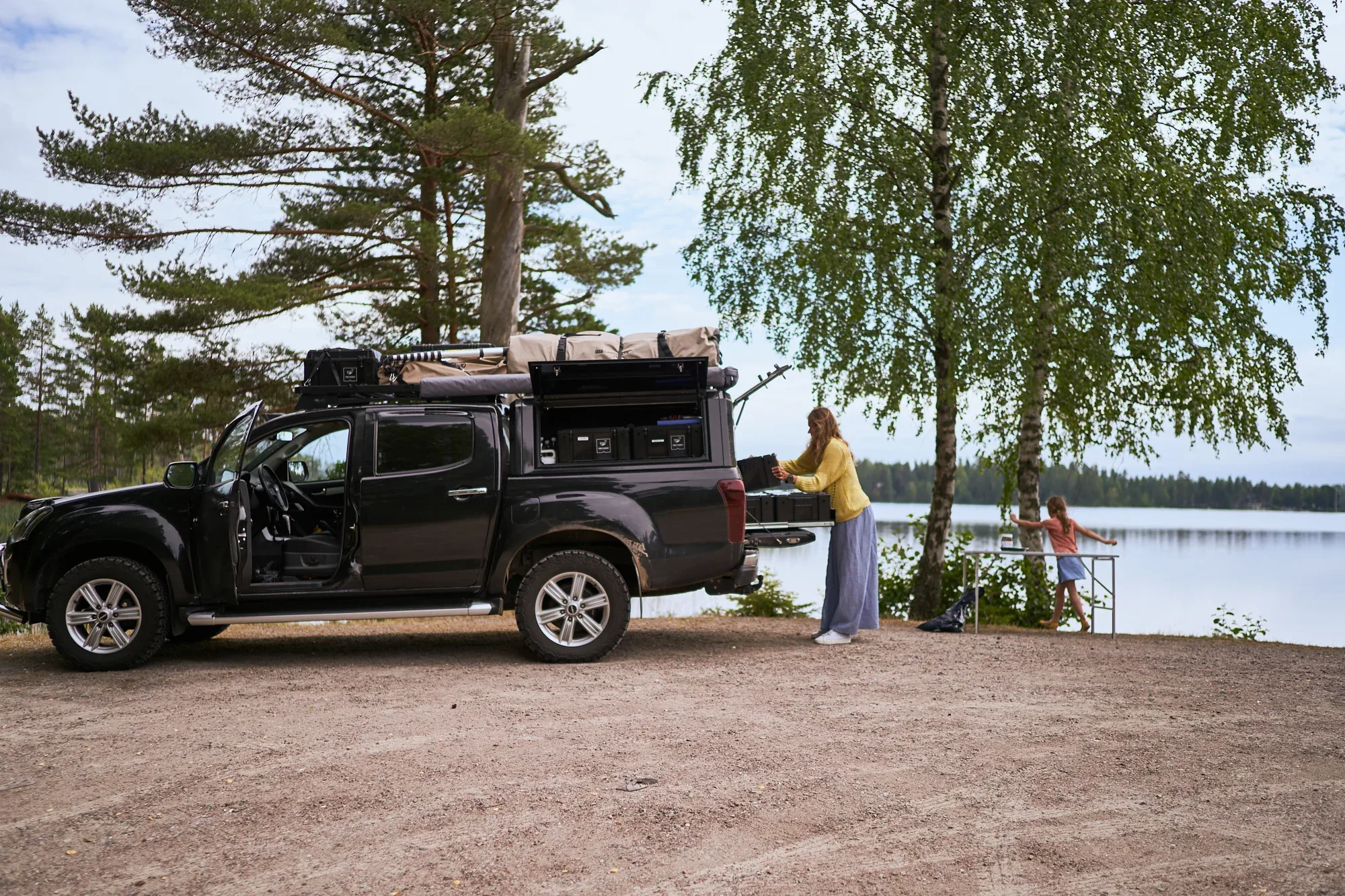
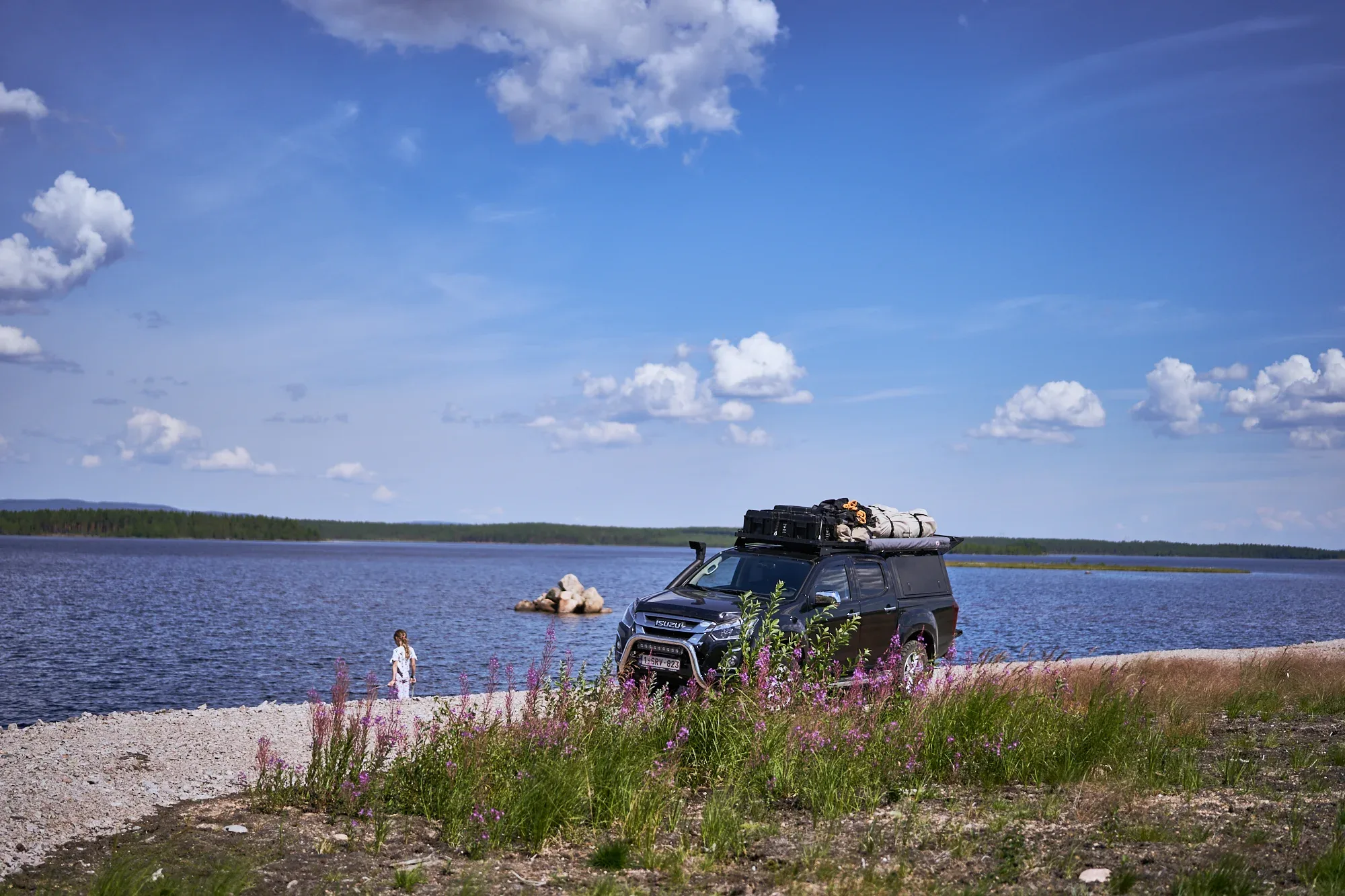
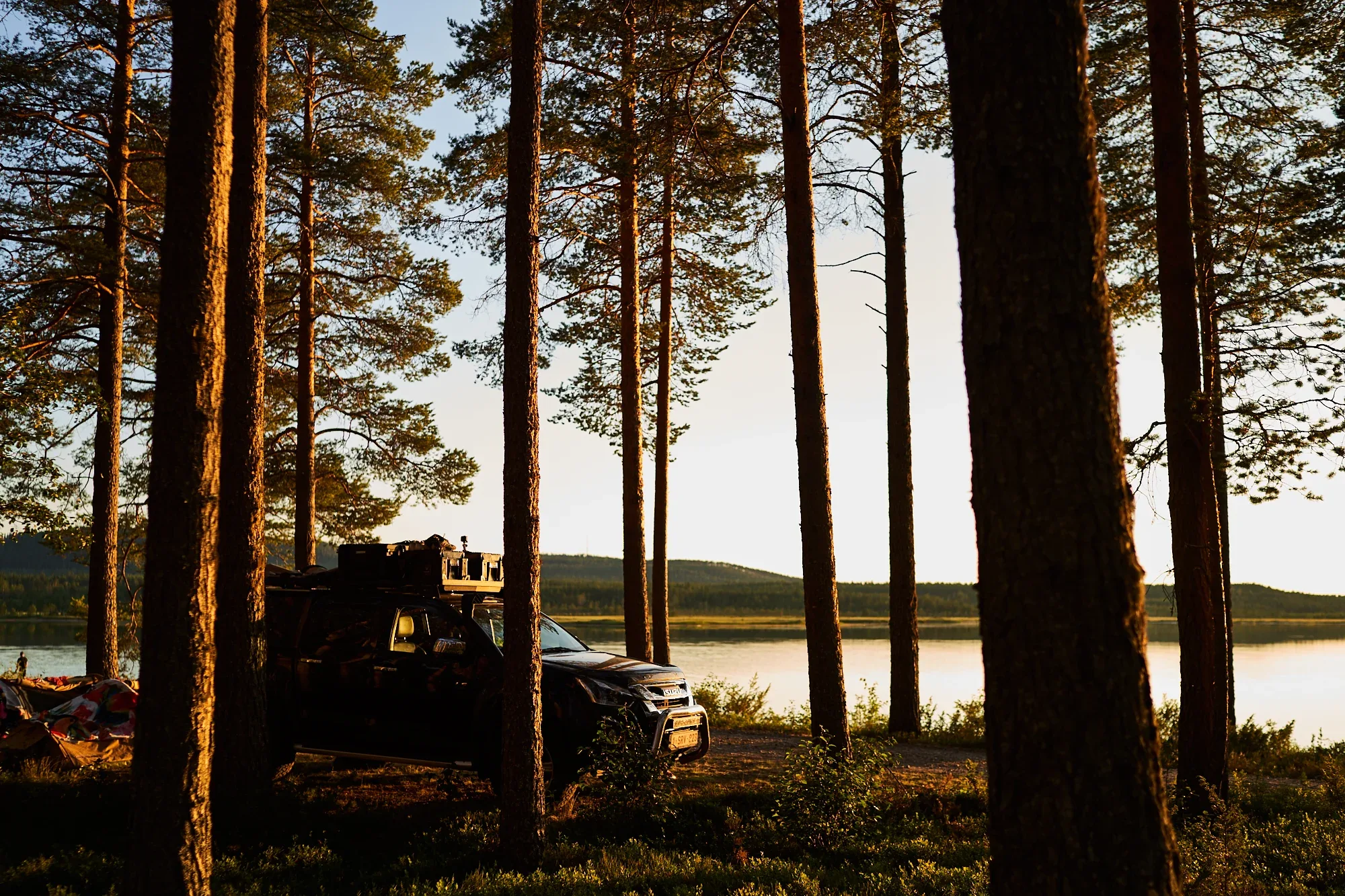
We packed the car like a puzzle — crates for food and essentials, fridge in the middle, water behind it, fold-out table under the roof, tents and gear on top. A second battery kept the fridge alive when parked. It was compact, efficient, and ready for adventure.
The noad north
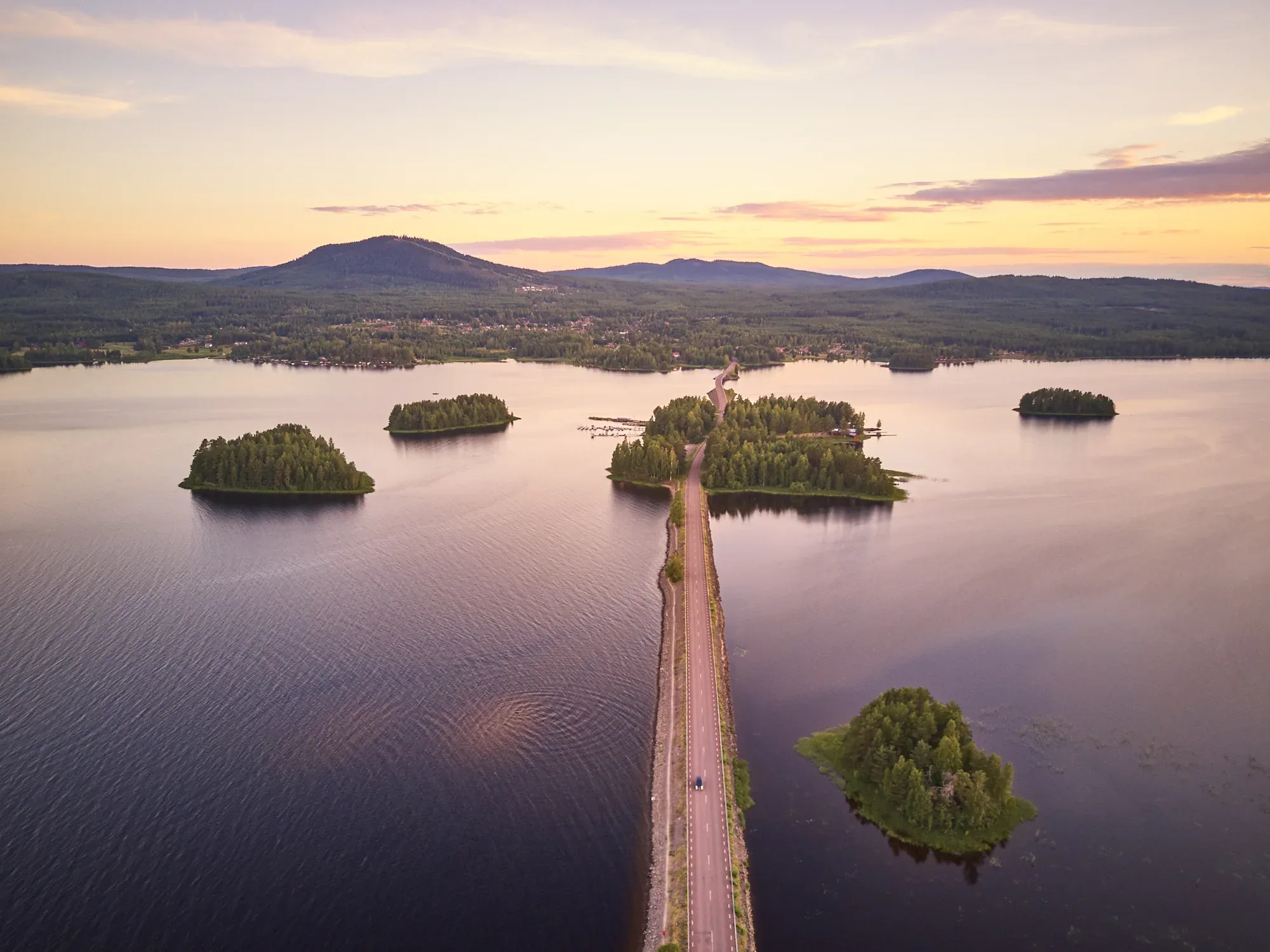
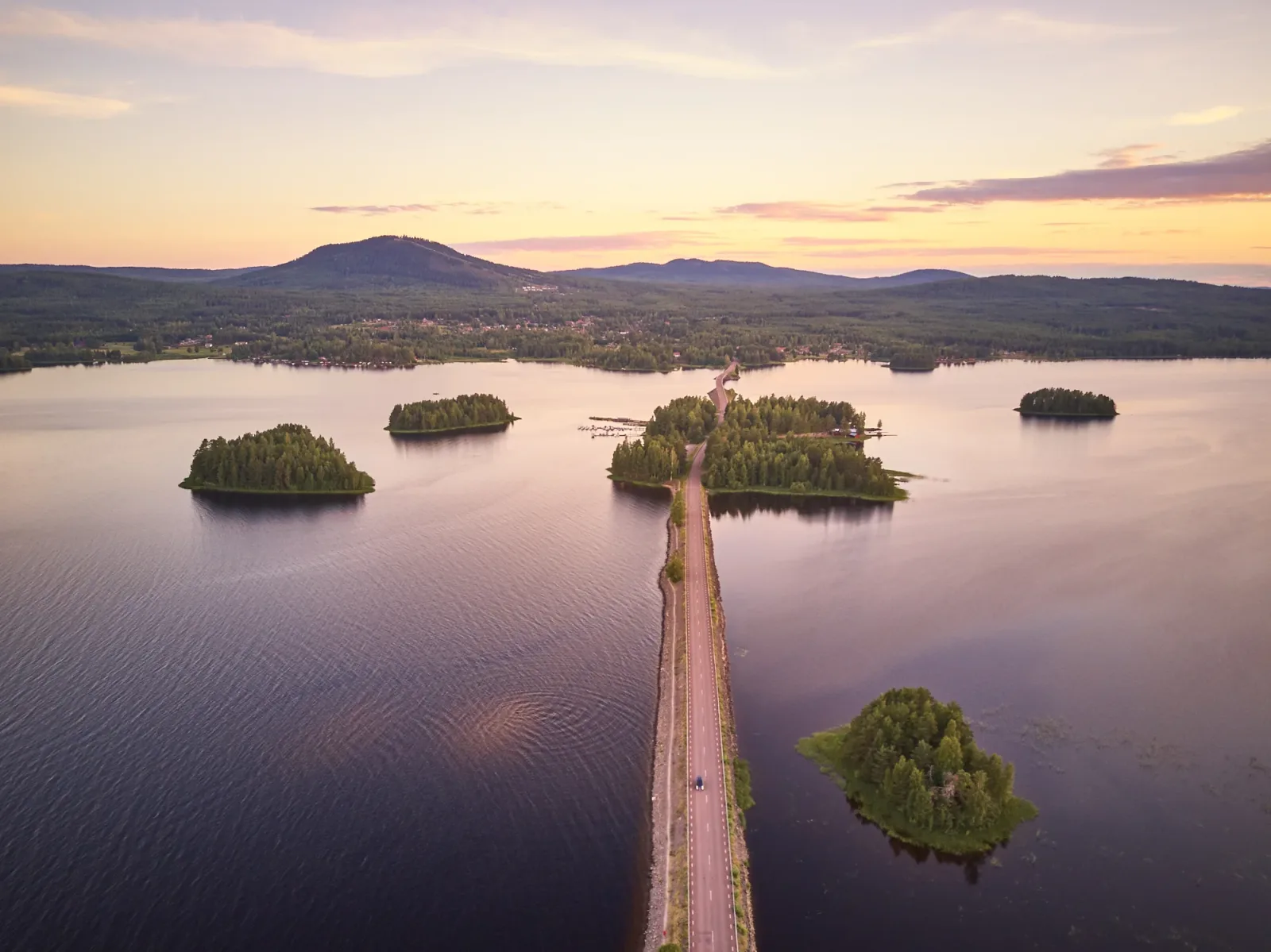
Once you pass Hamburg, the landscape changes. By Denmark, everything slows down. Crossing the Øresund Bridge into Sweden — 57 meters above the sea — felt symbolic: leaving the familiar behind.
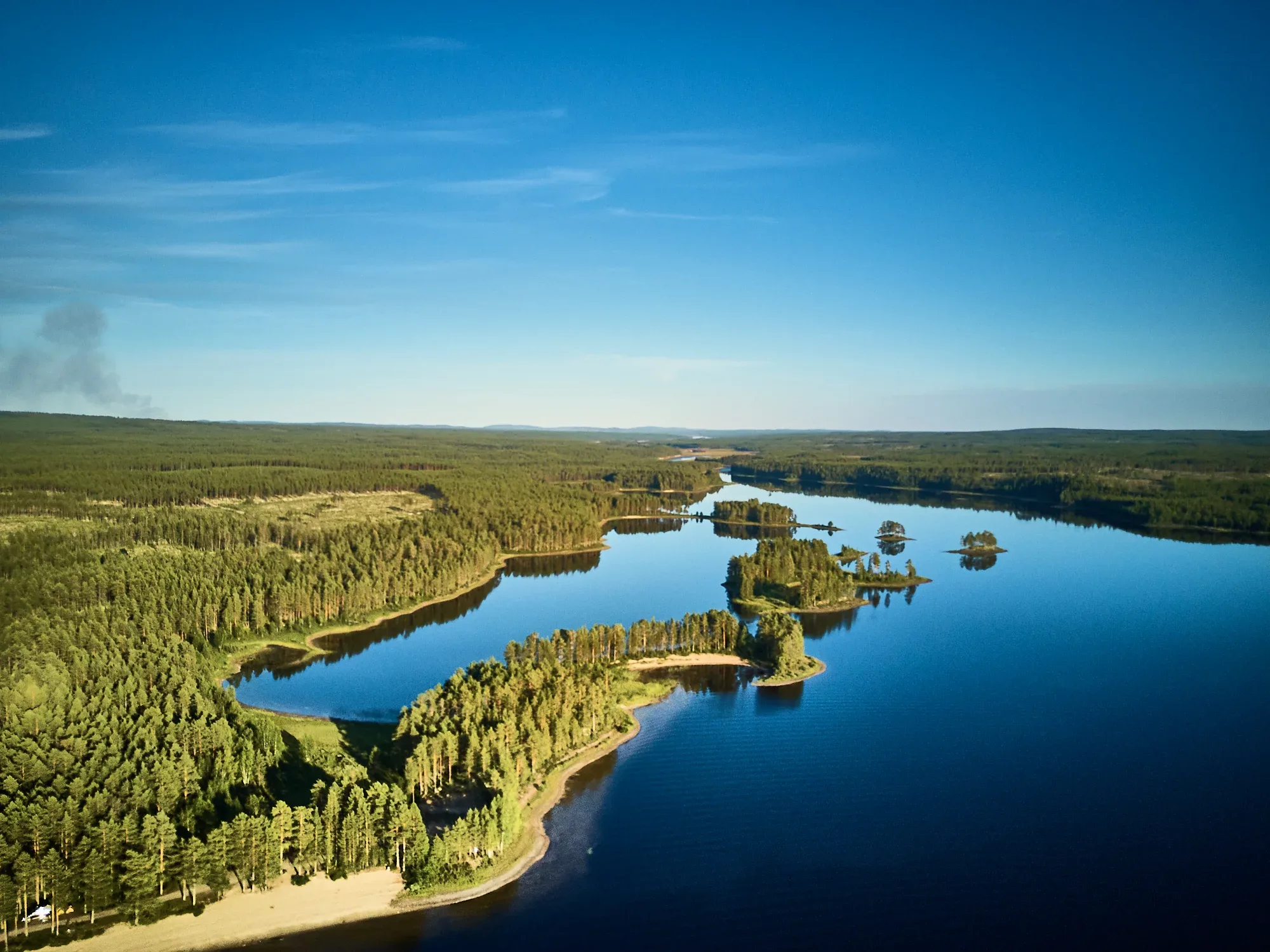
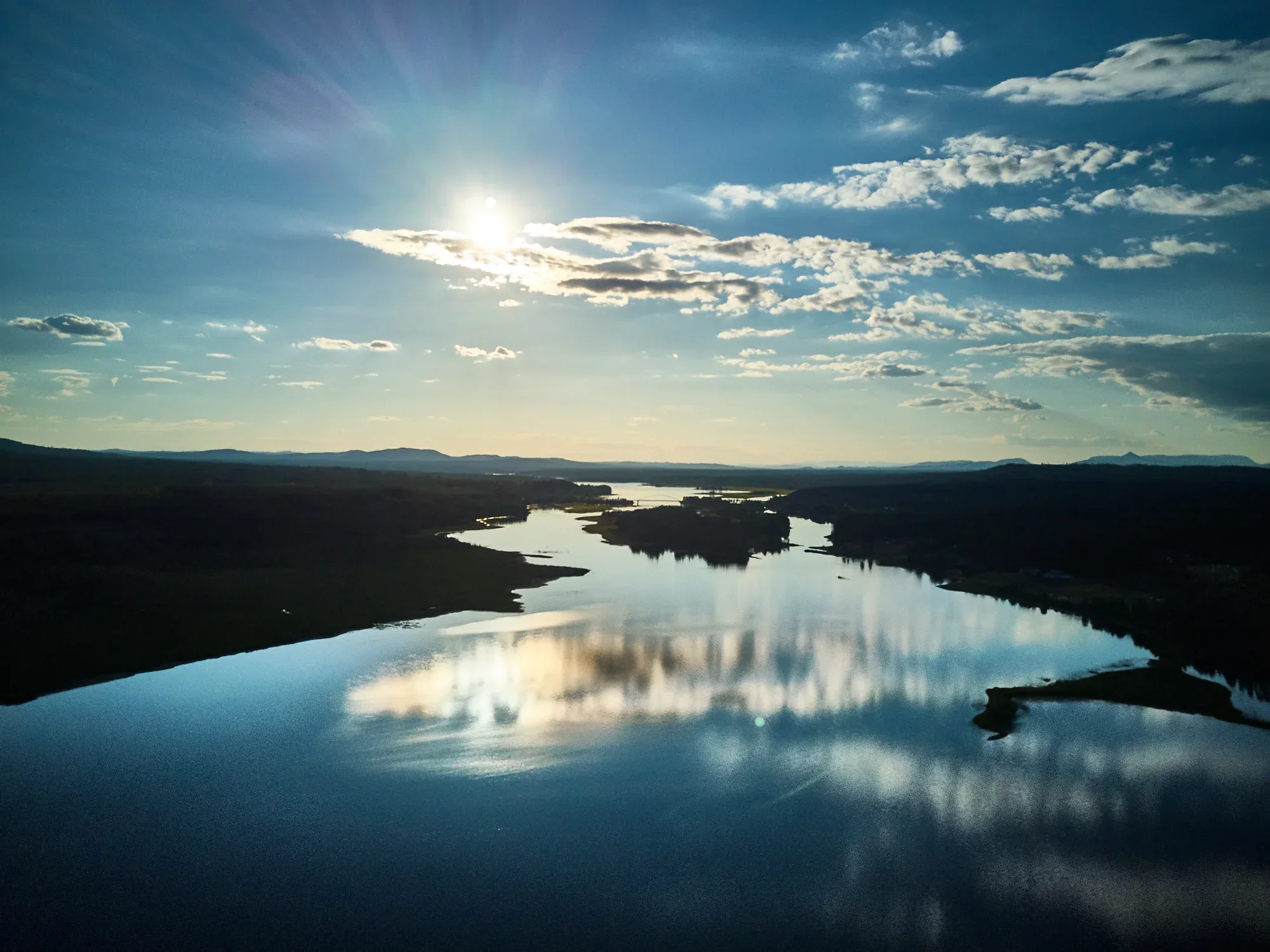
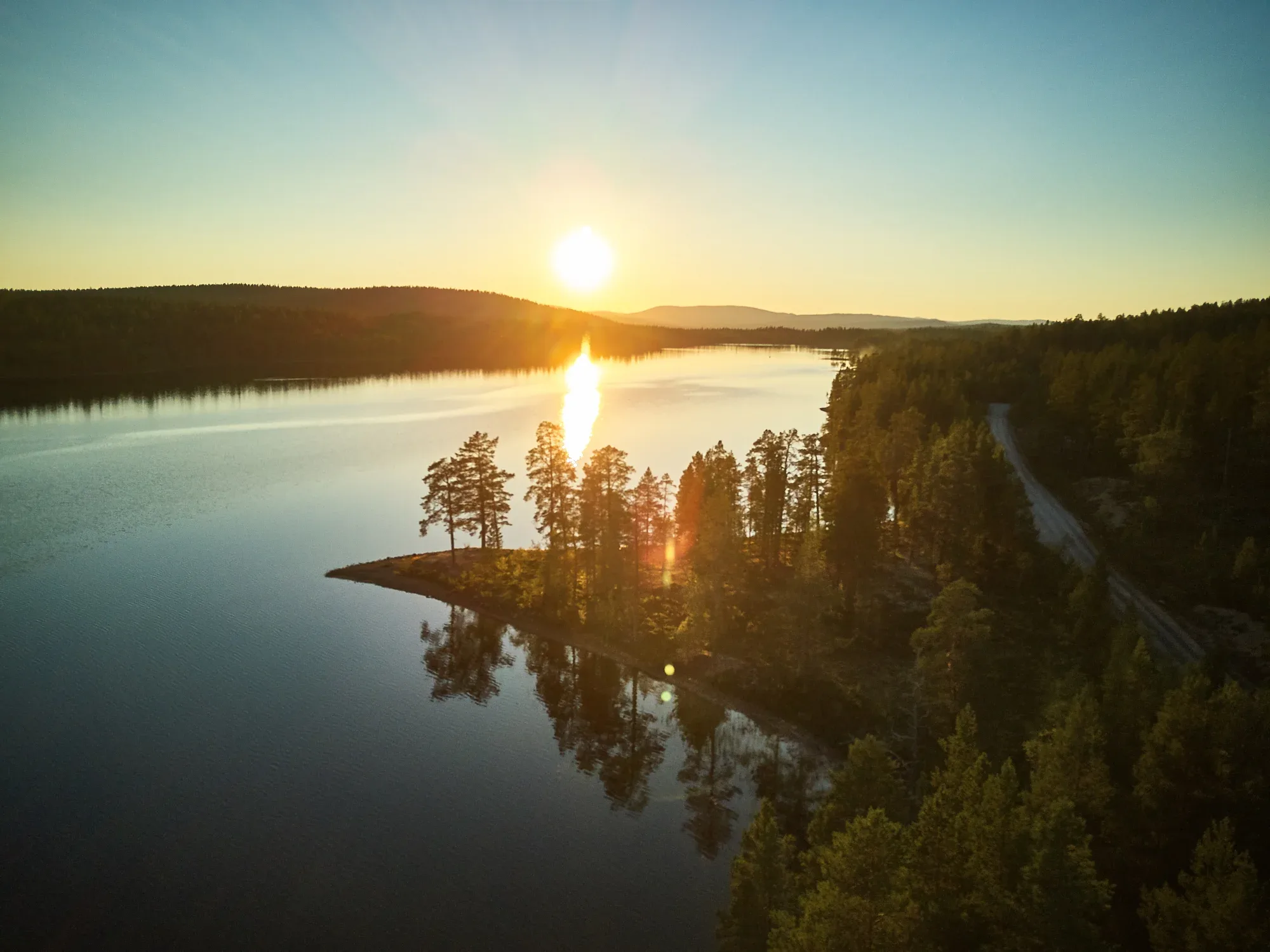
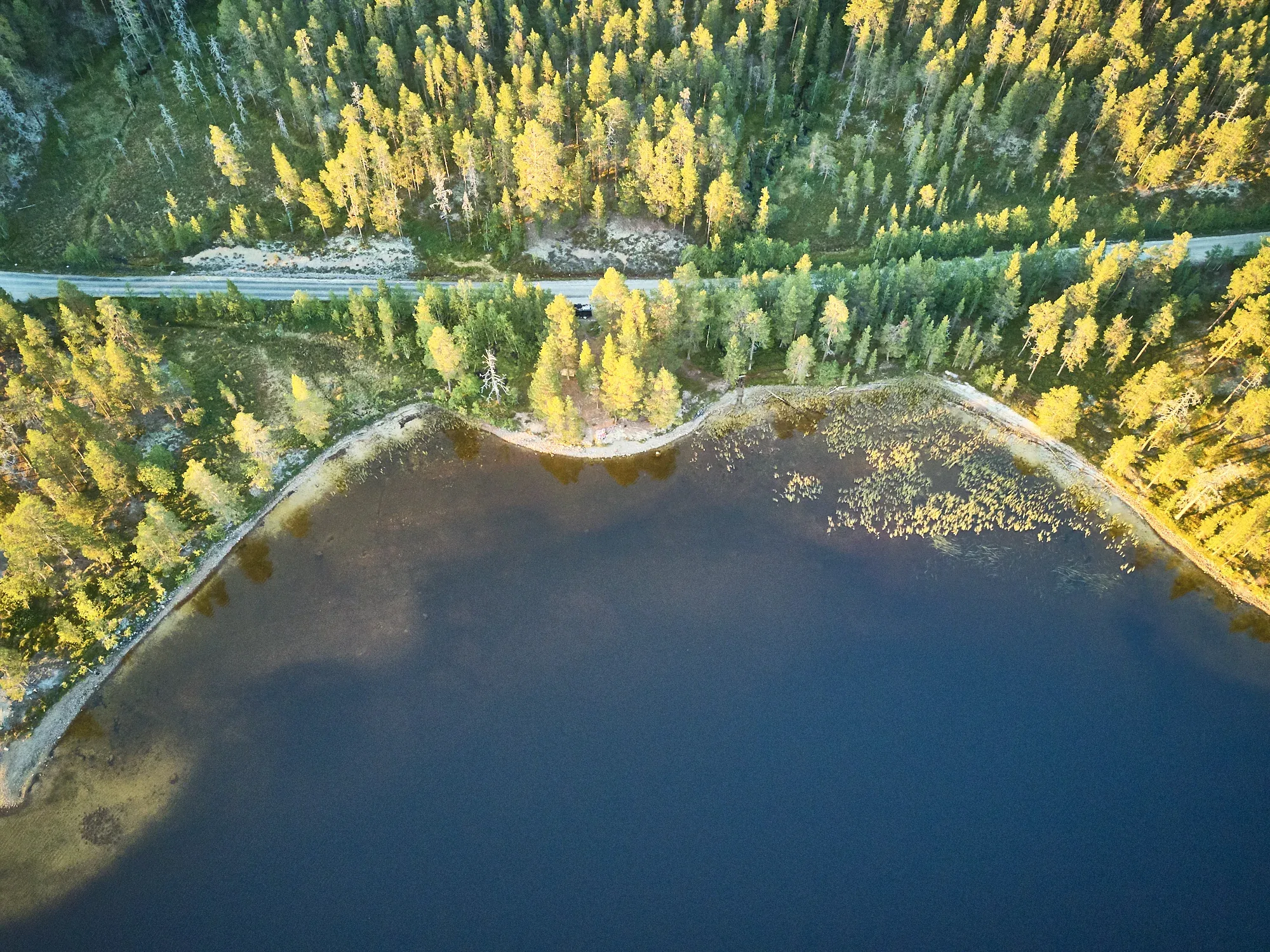
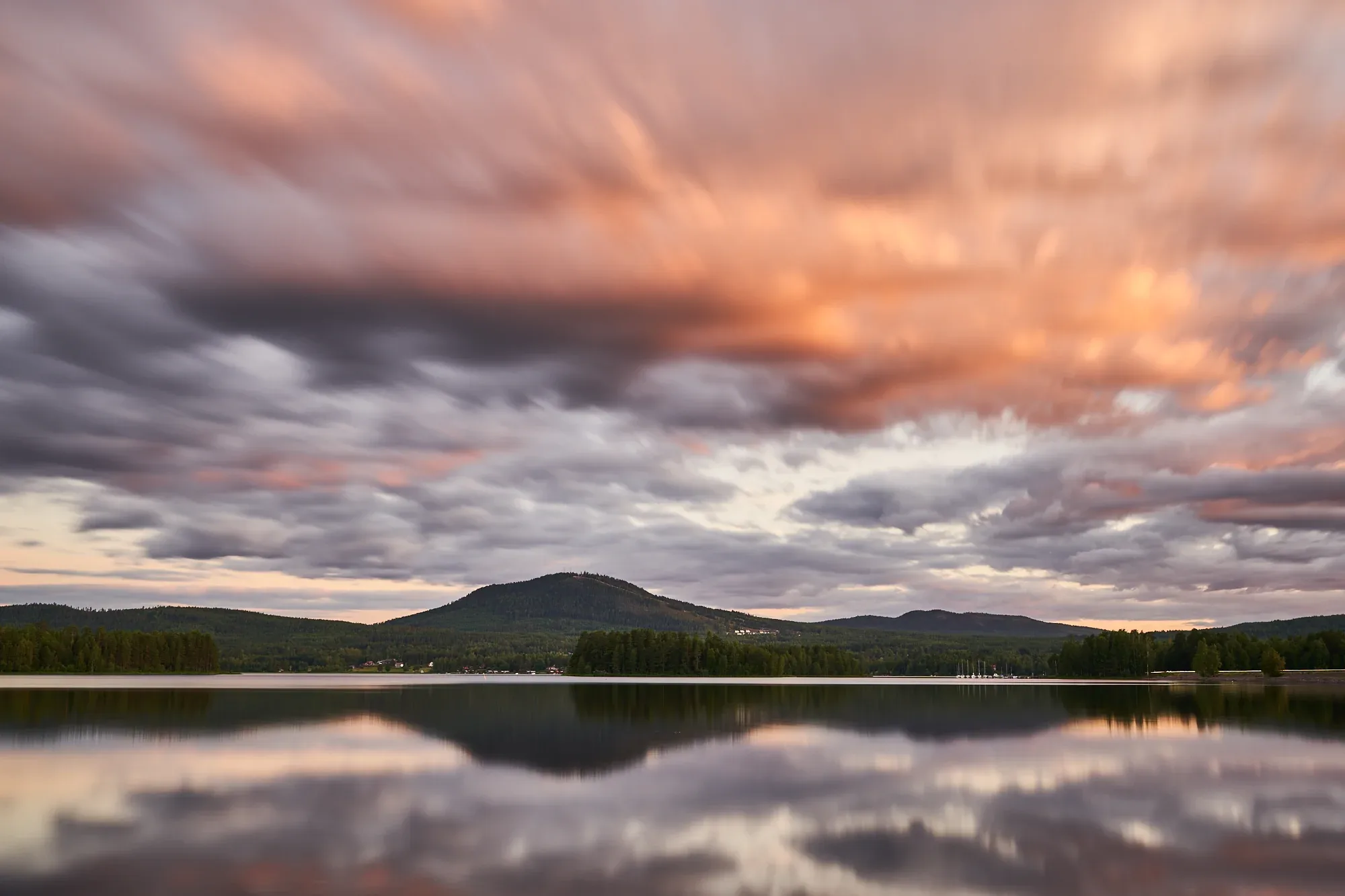
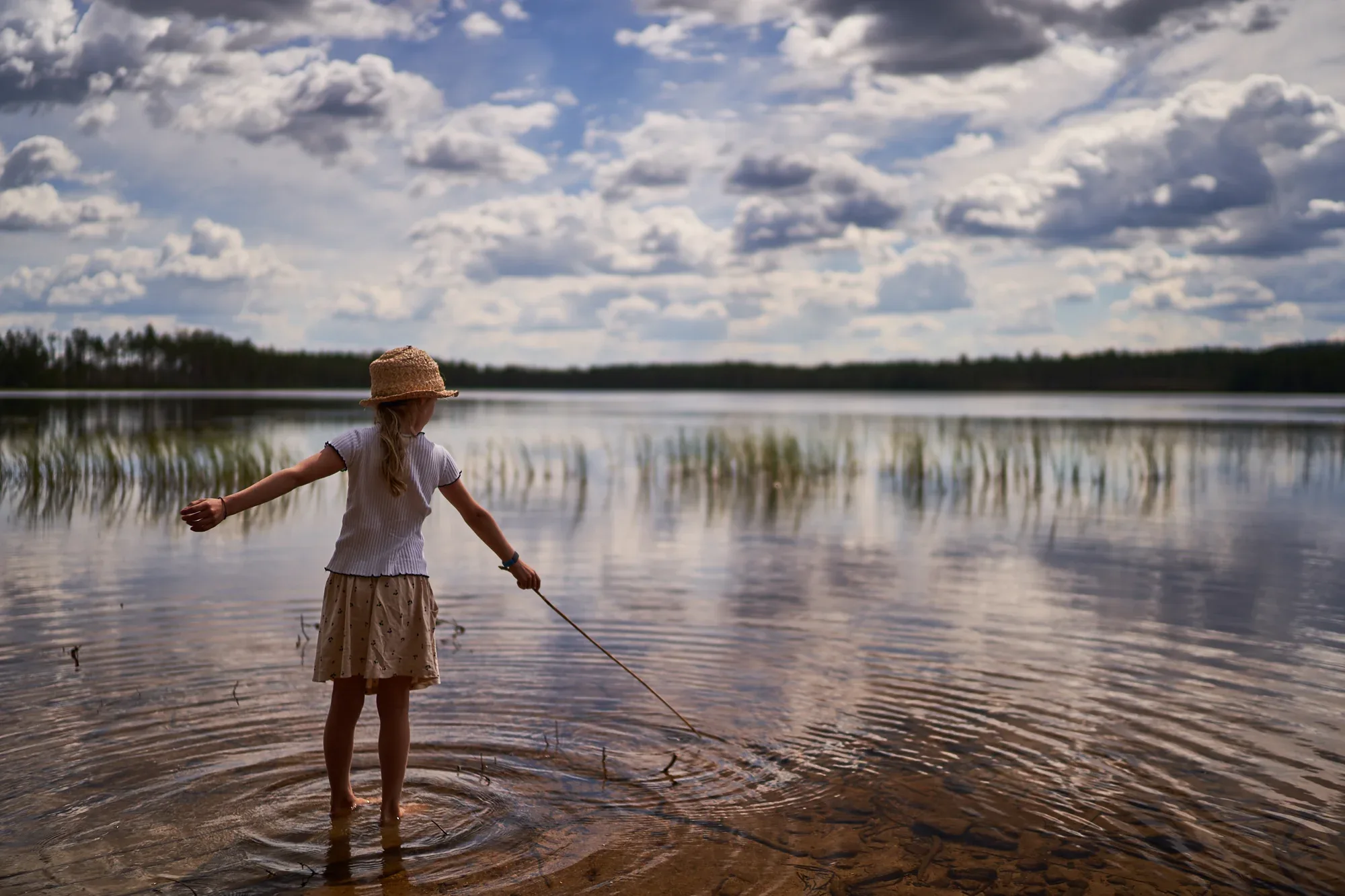
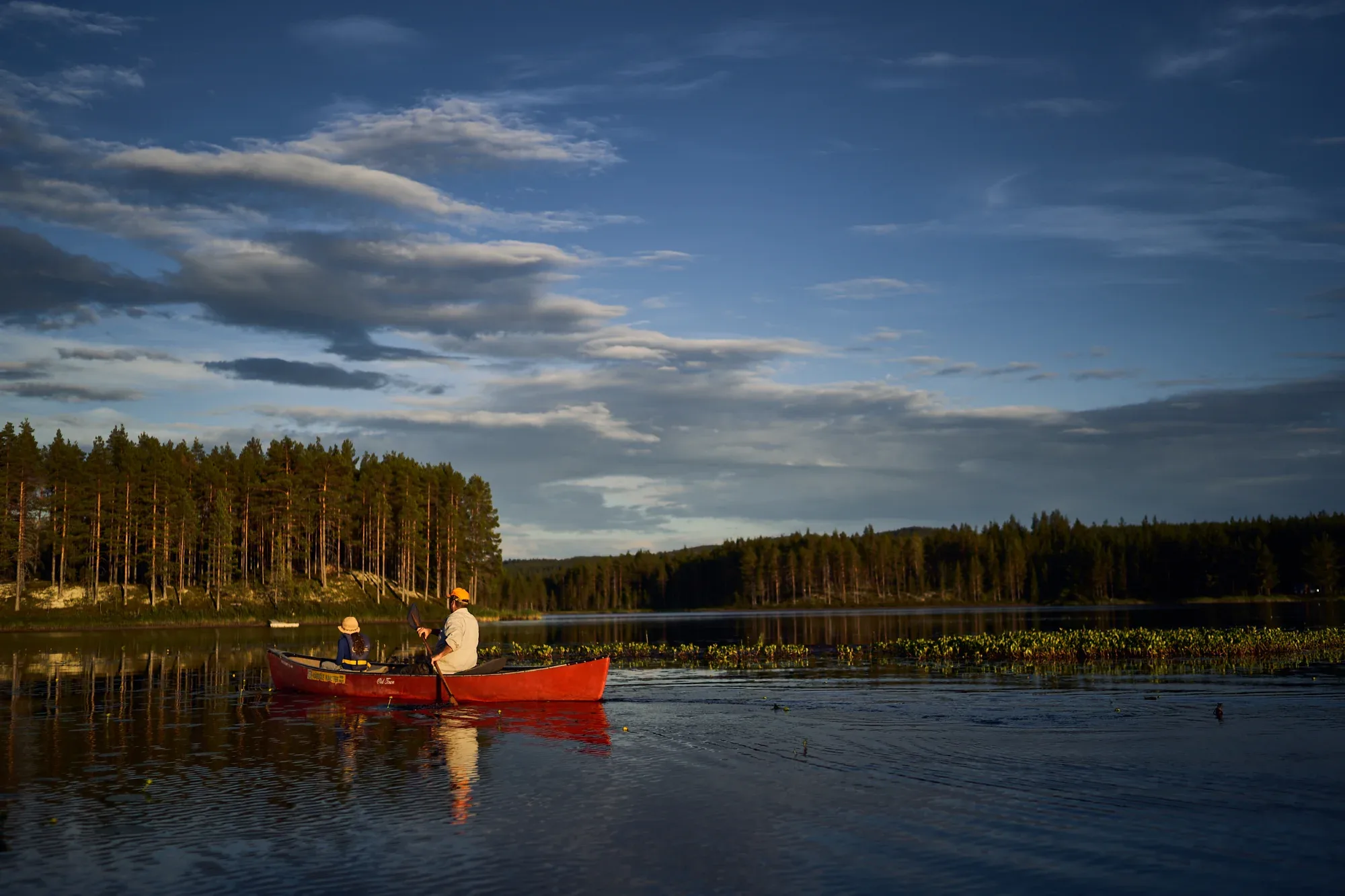
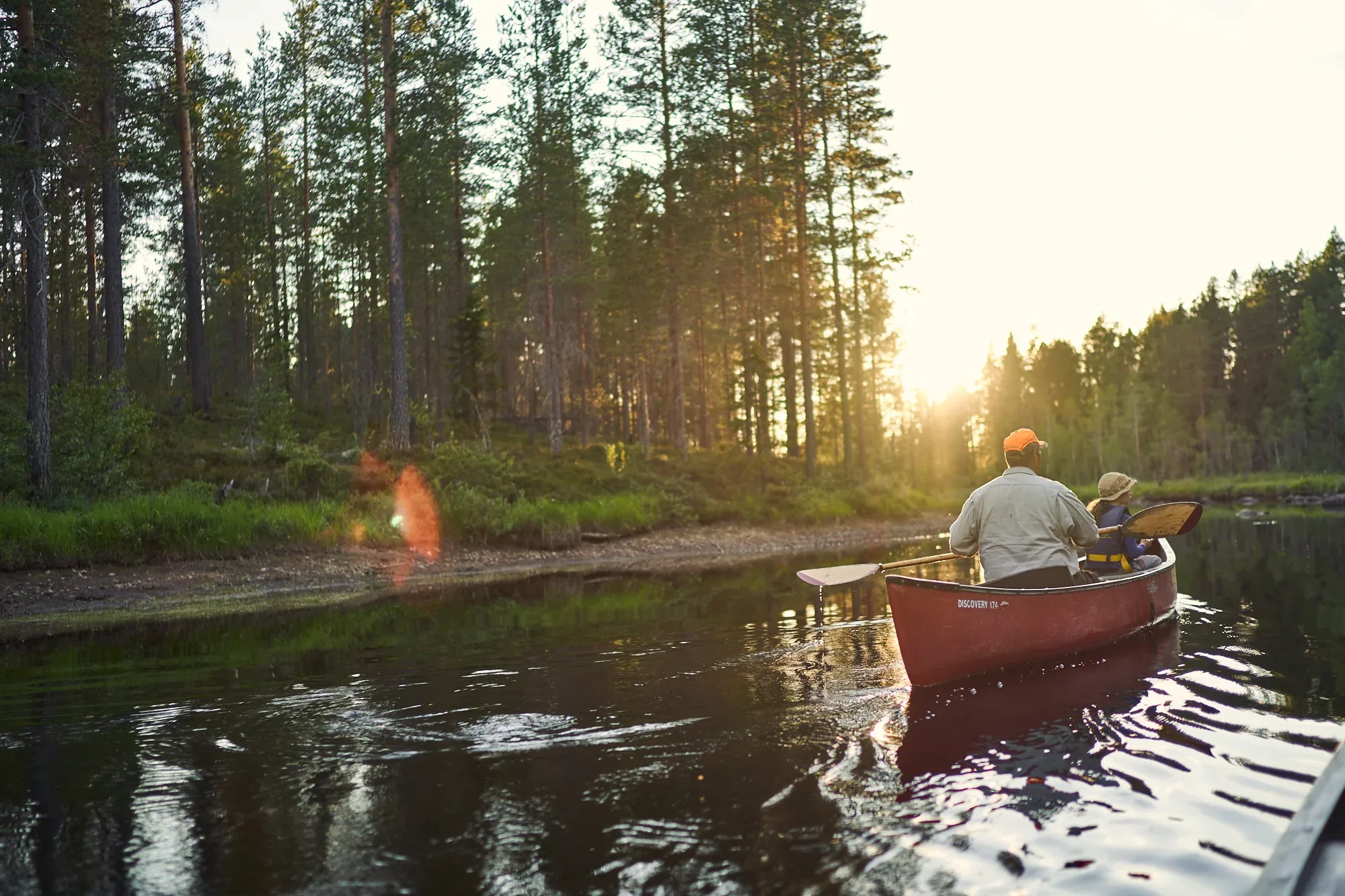
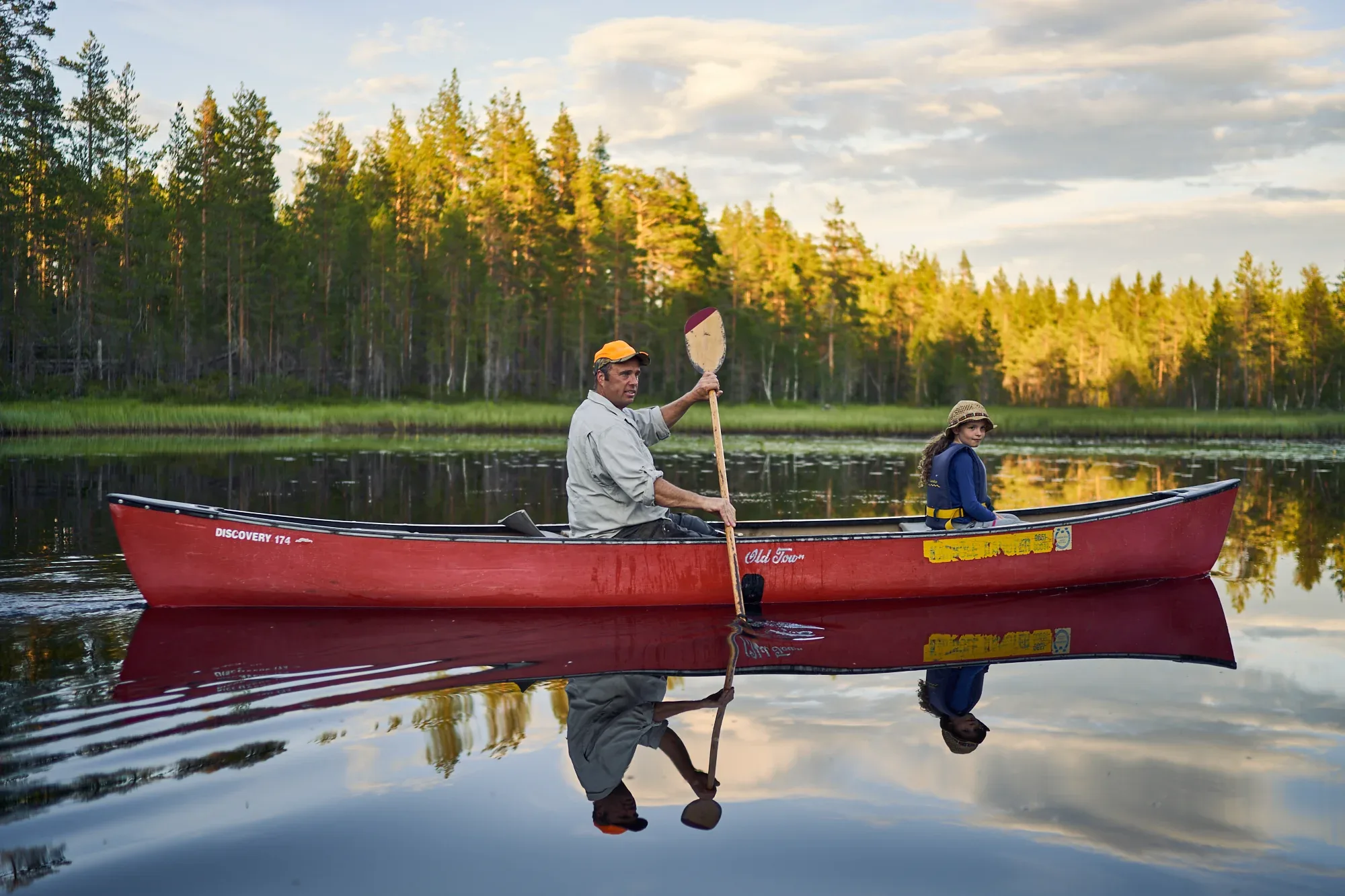
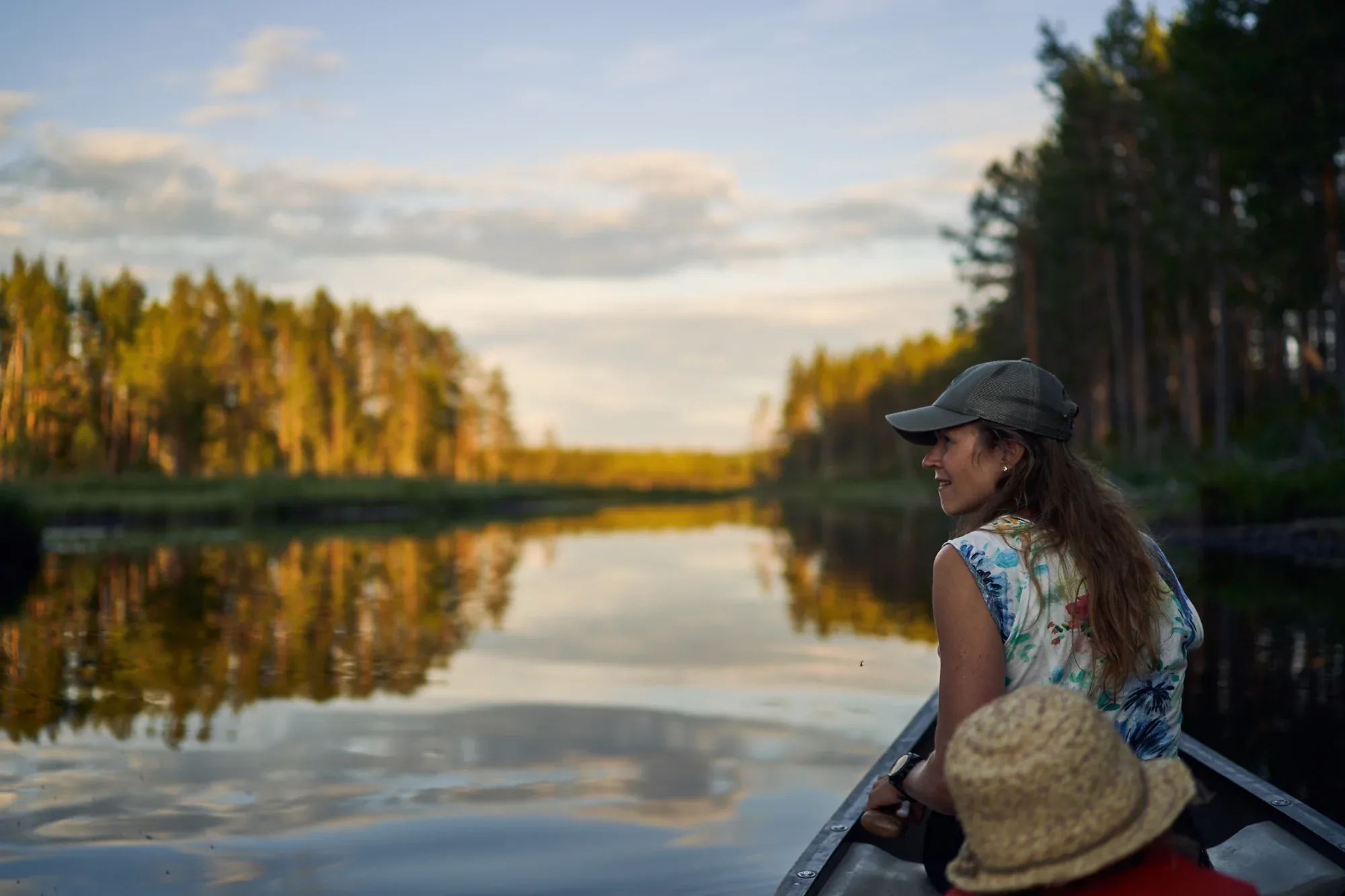
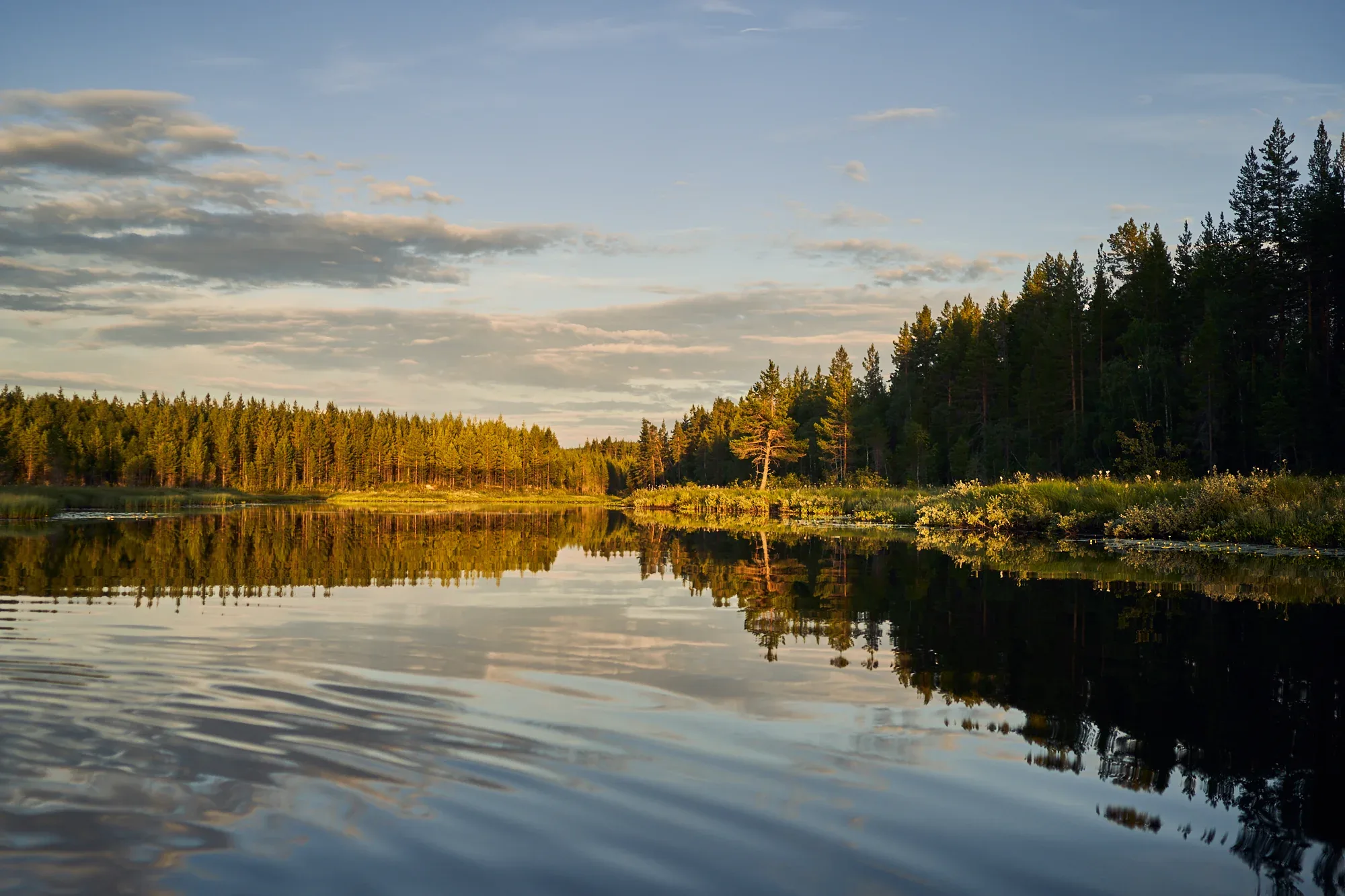
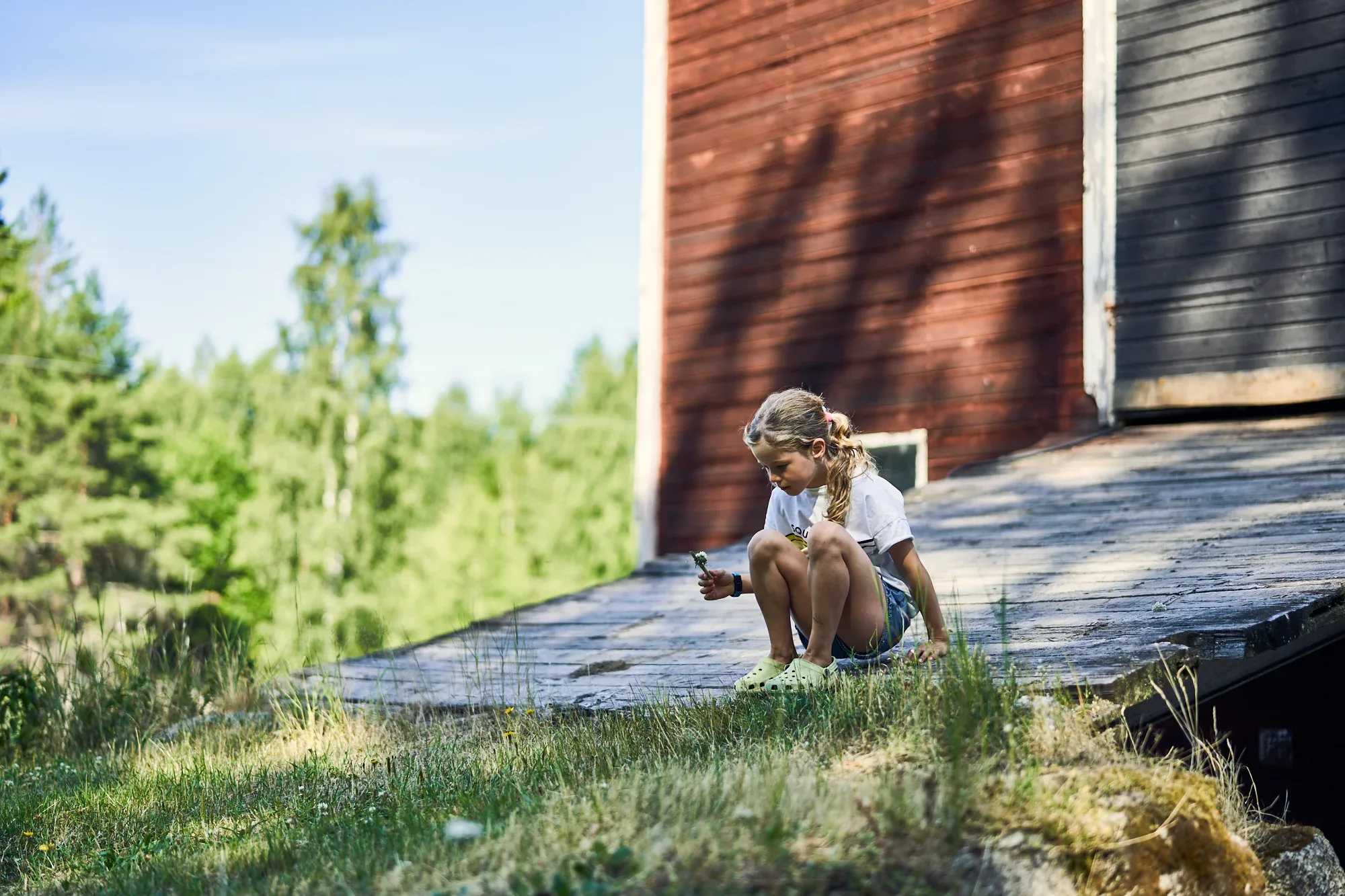
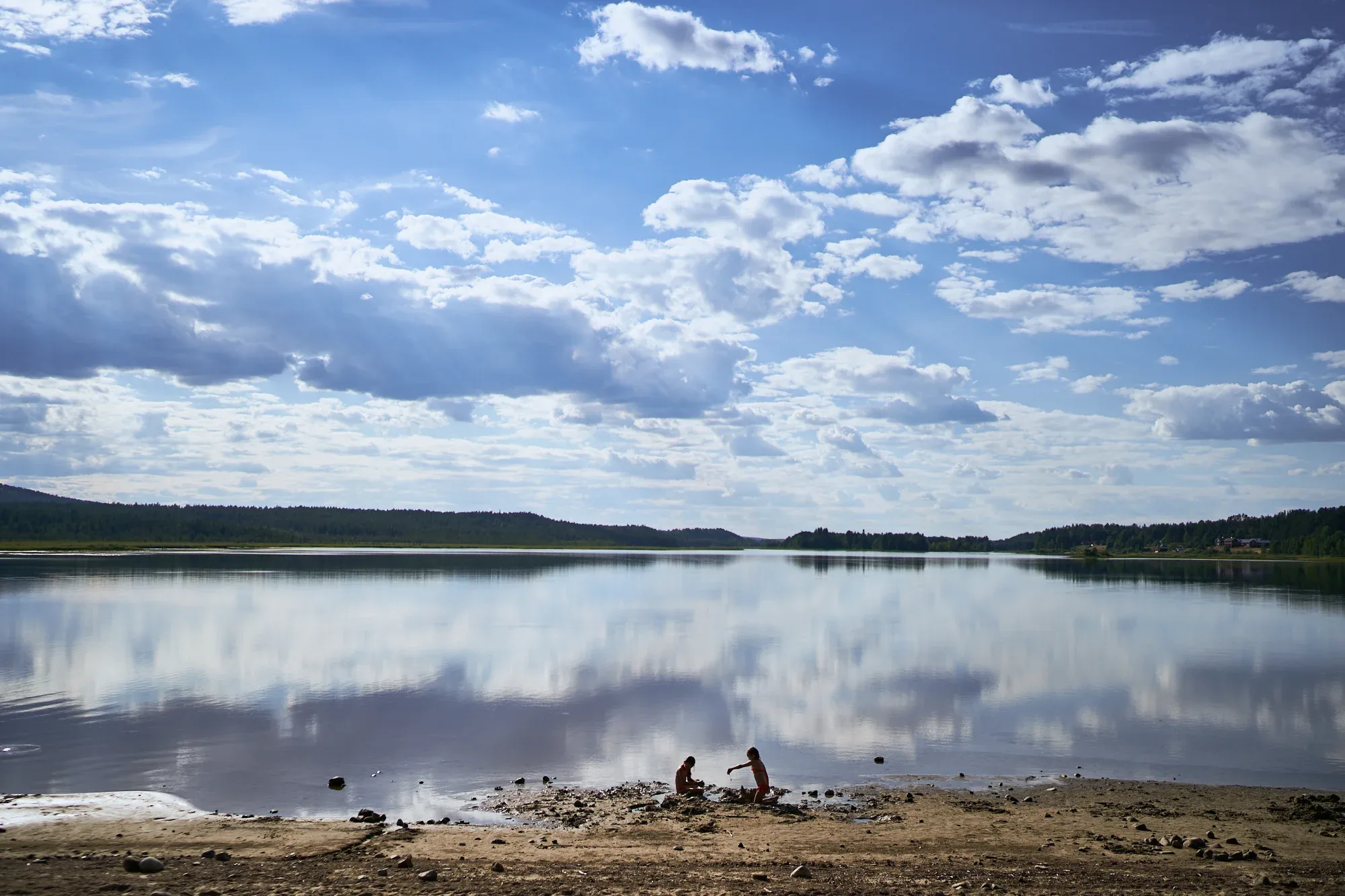
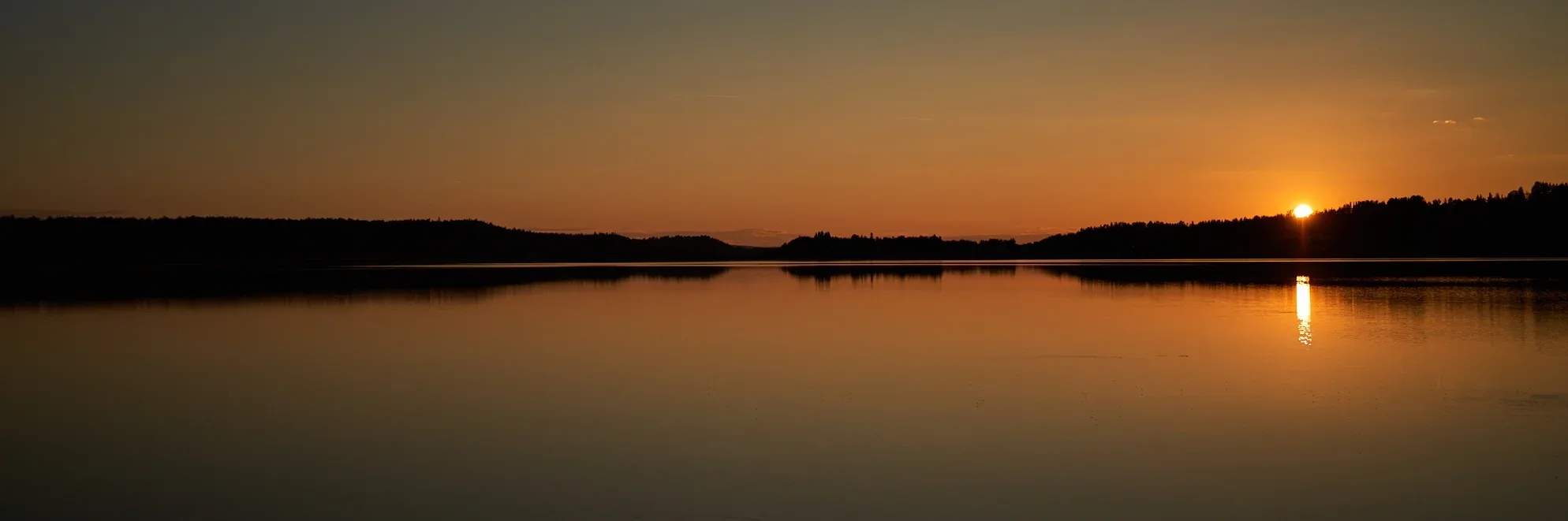
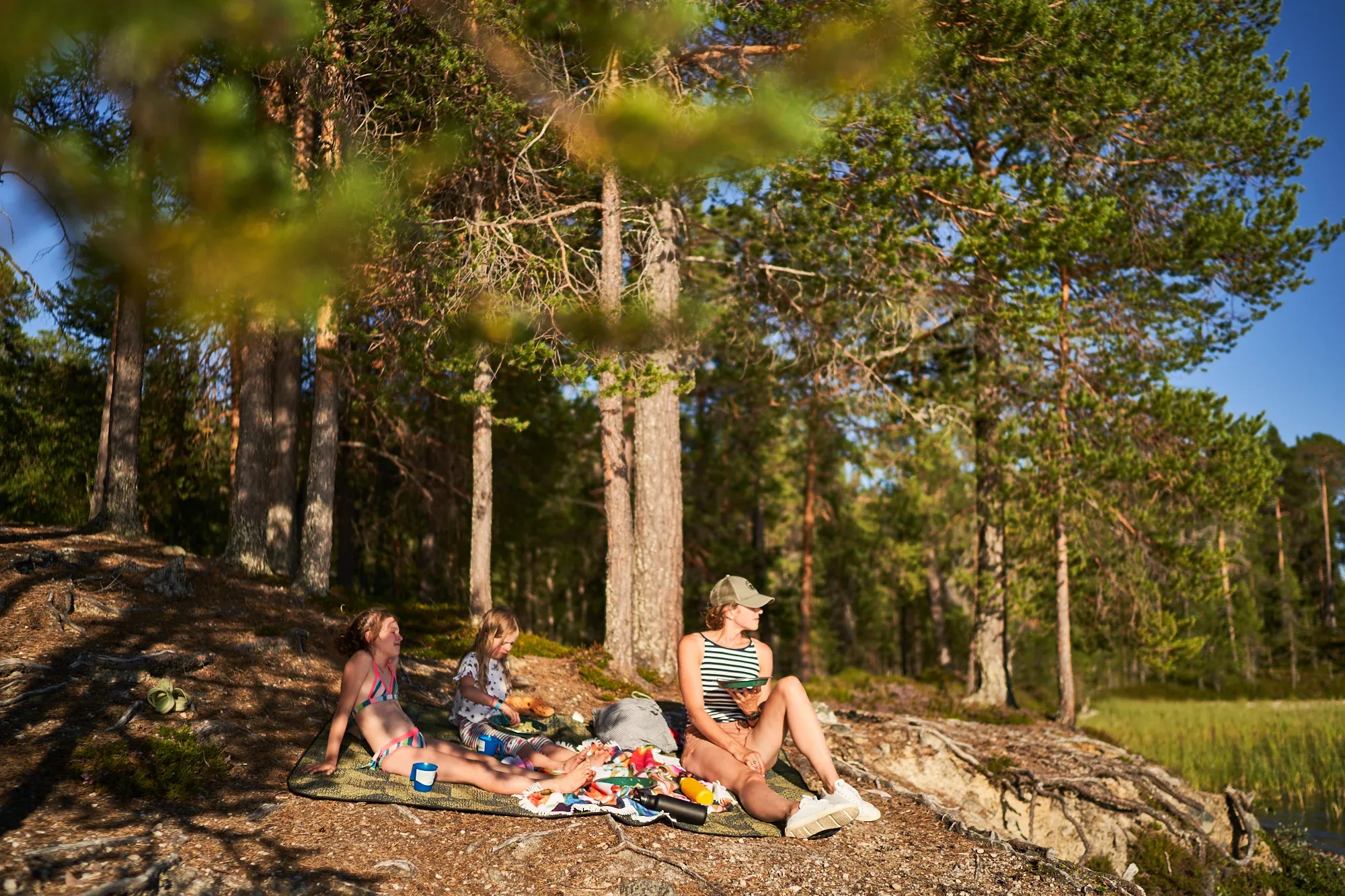
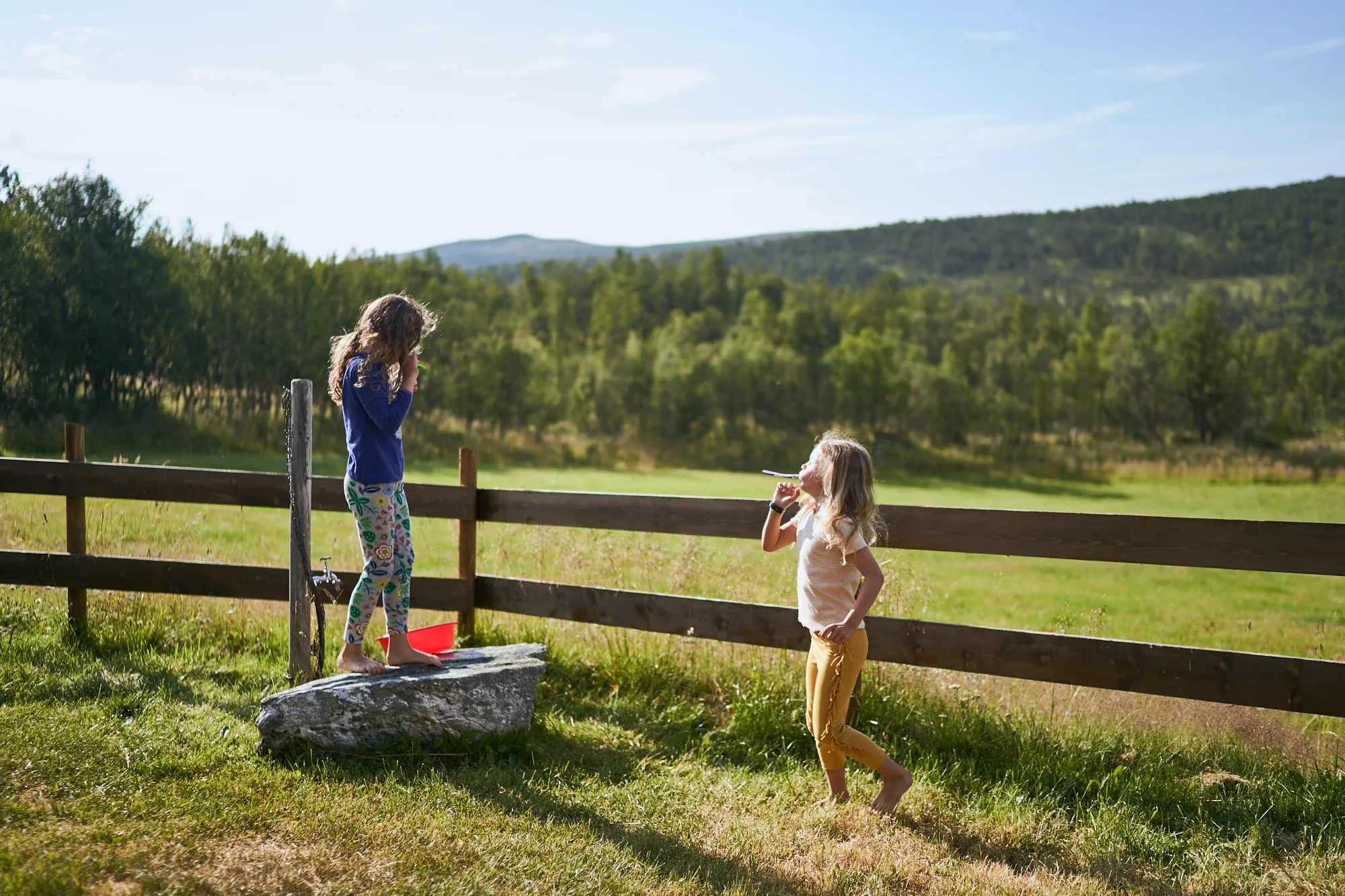
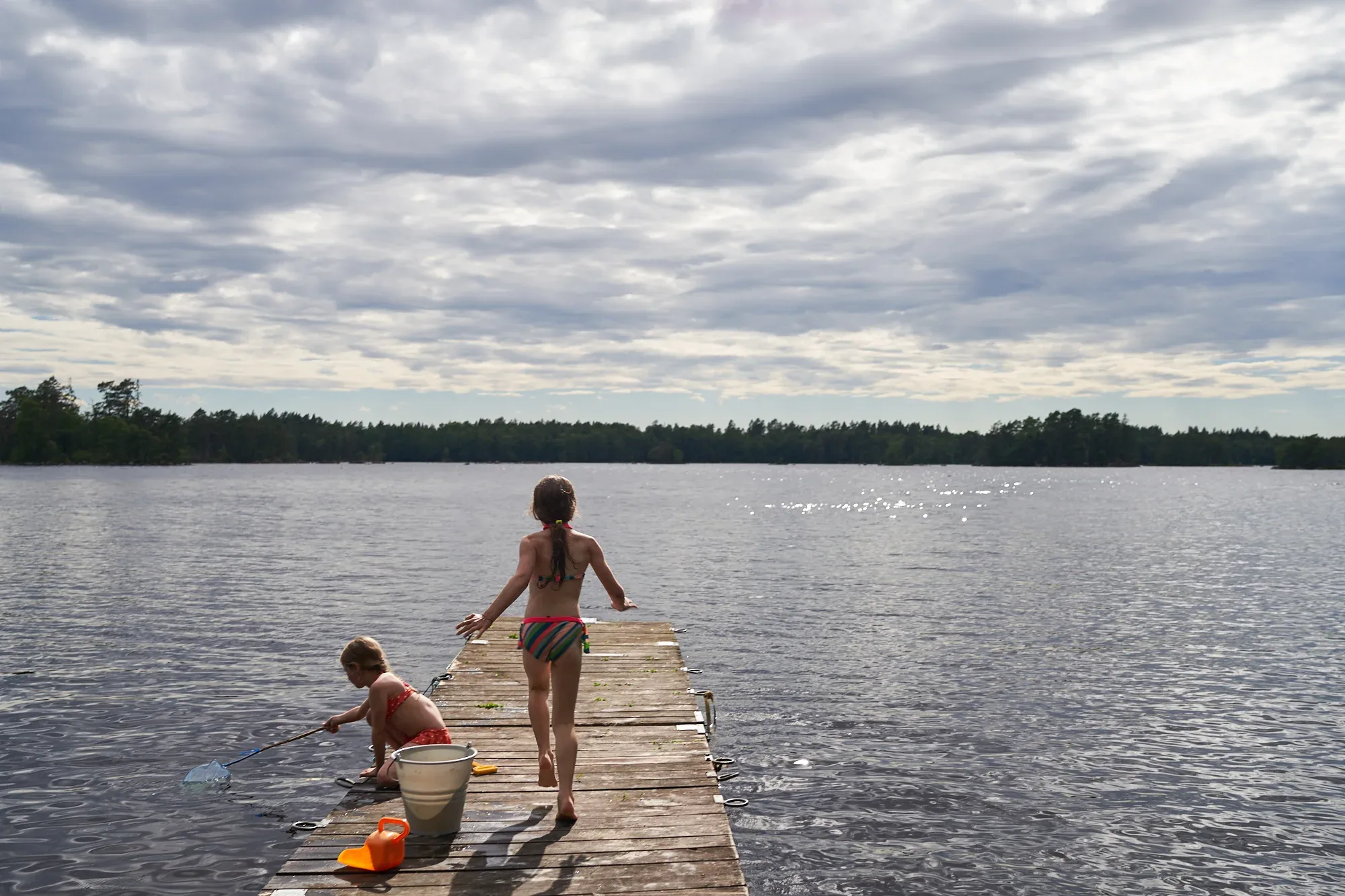
In southern Sweden, highways gave way to one-lane roads through forests and fields. We drove past endless lakes, every one more beautiful than the last. Our daughters quickly developed a daily routine: dive into a lake, scream from the cold, laugh, swim again. For three weeks, not a day passed without water.
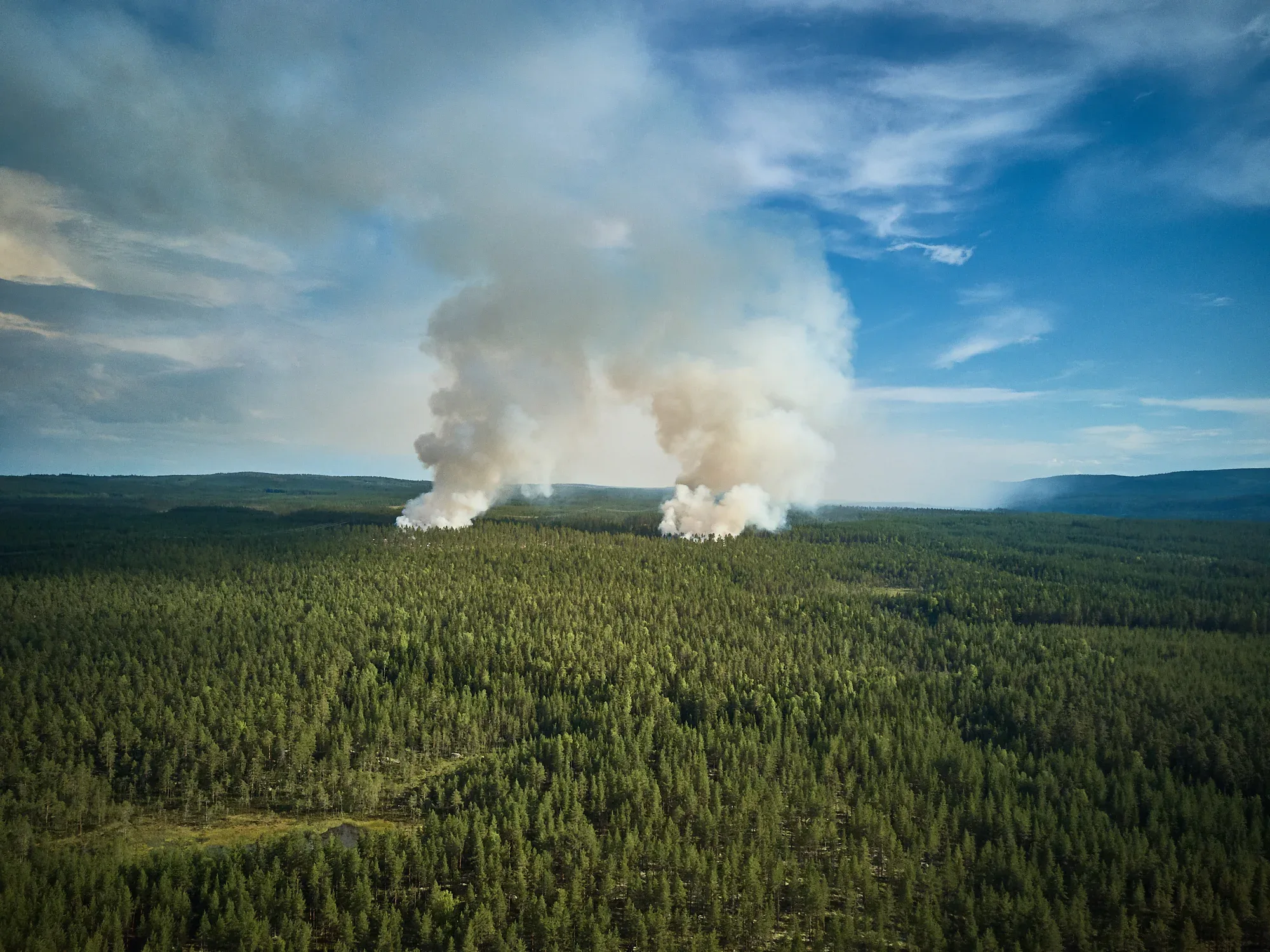
That summer was unusually hot — no rain for weeks, forest fires everywhere — but for travelers, it was paradise. Ten lakes to choose from every day, dust on every gravel road, the smell of pine everywhere.
Sweden is the opposite of Belgium: here you drive for two hours to find people, not to escape them. The silence and the space are addictive.
Nöbbele — First stop
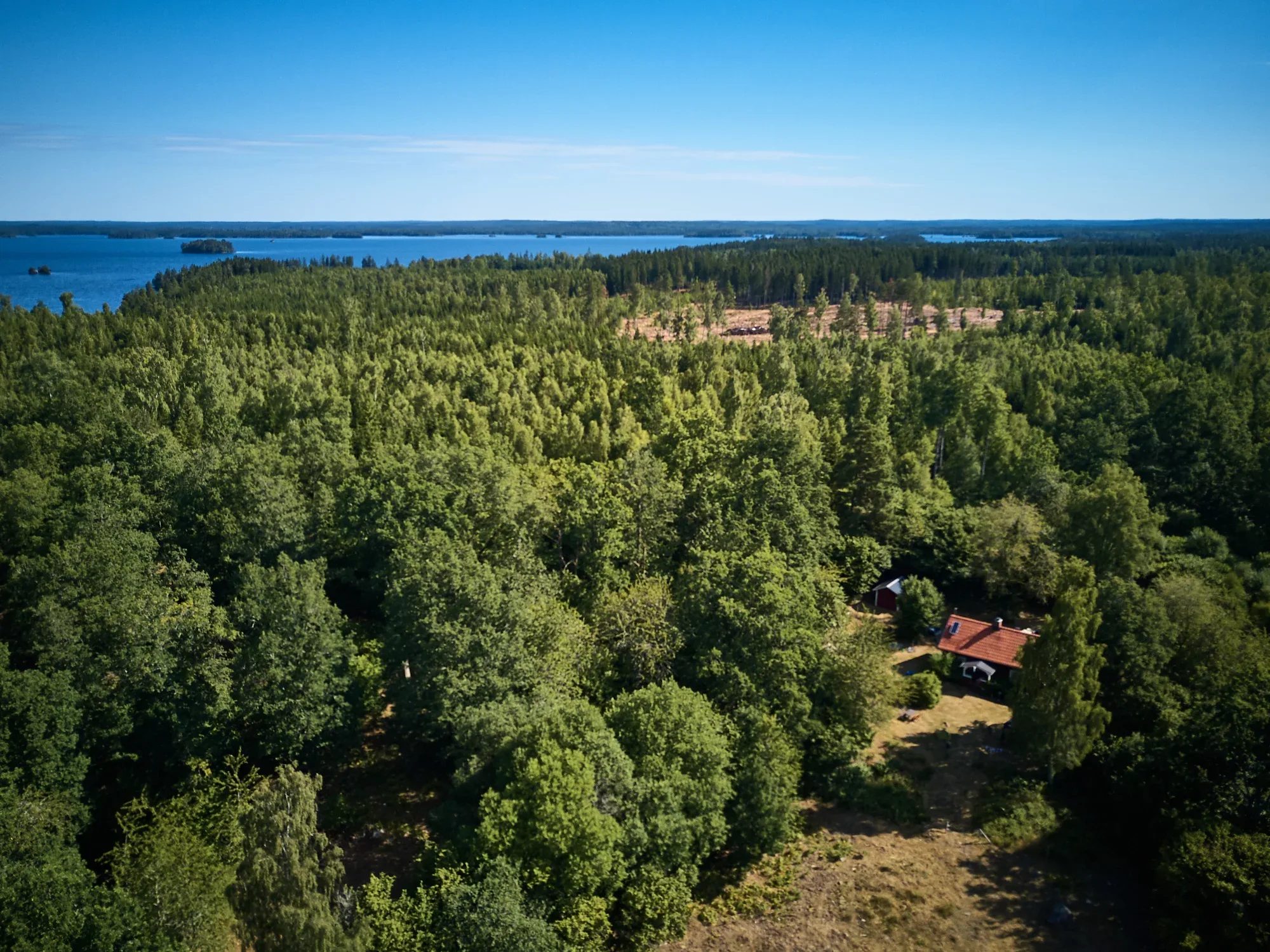
Our first long stop was at a tiny stuga on Lake Rottnen, near Nöbbele.
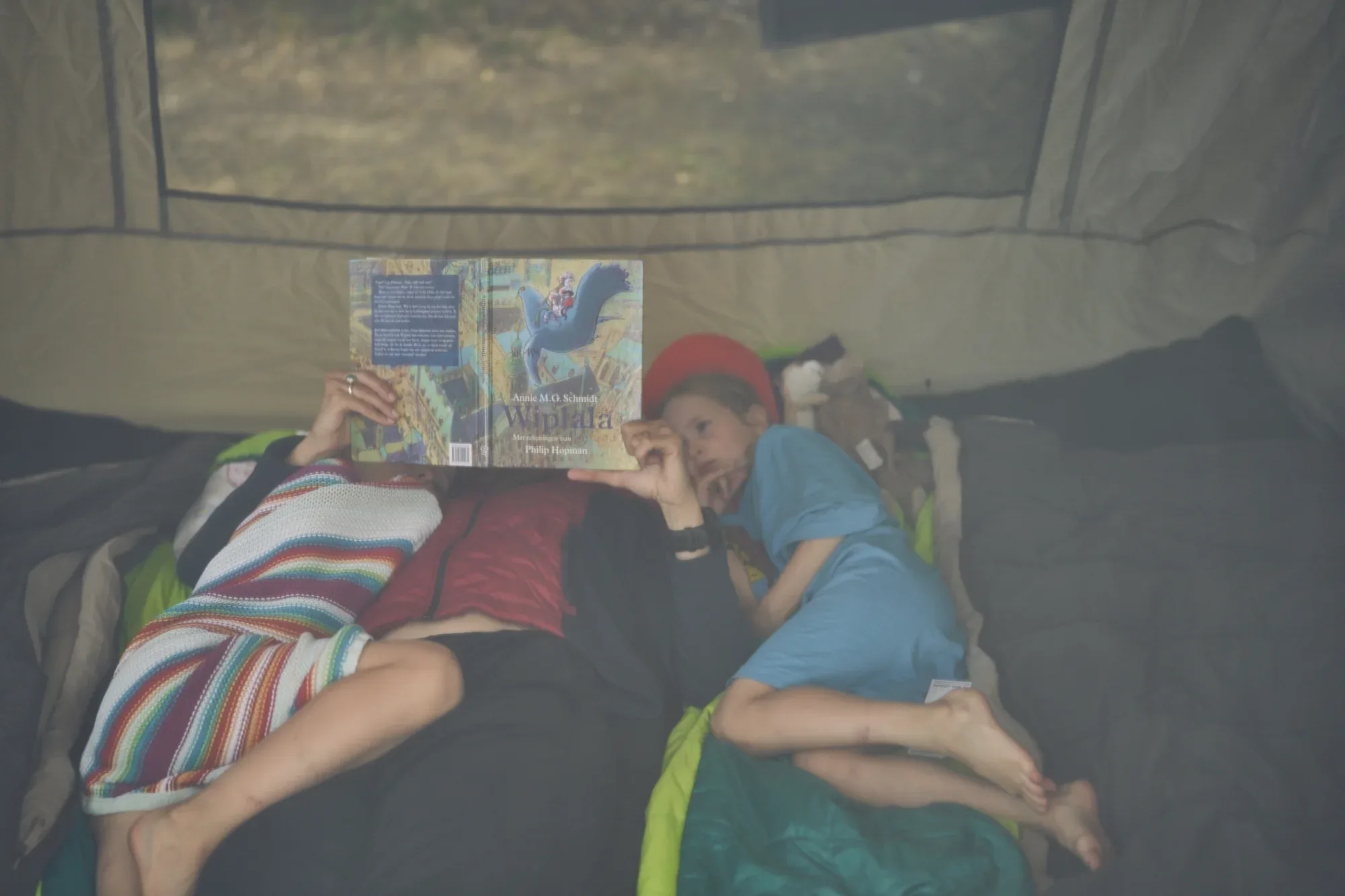
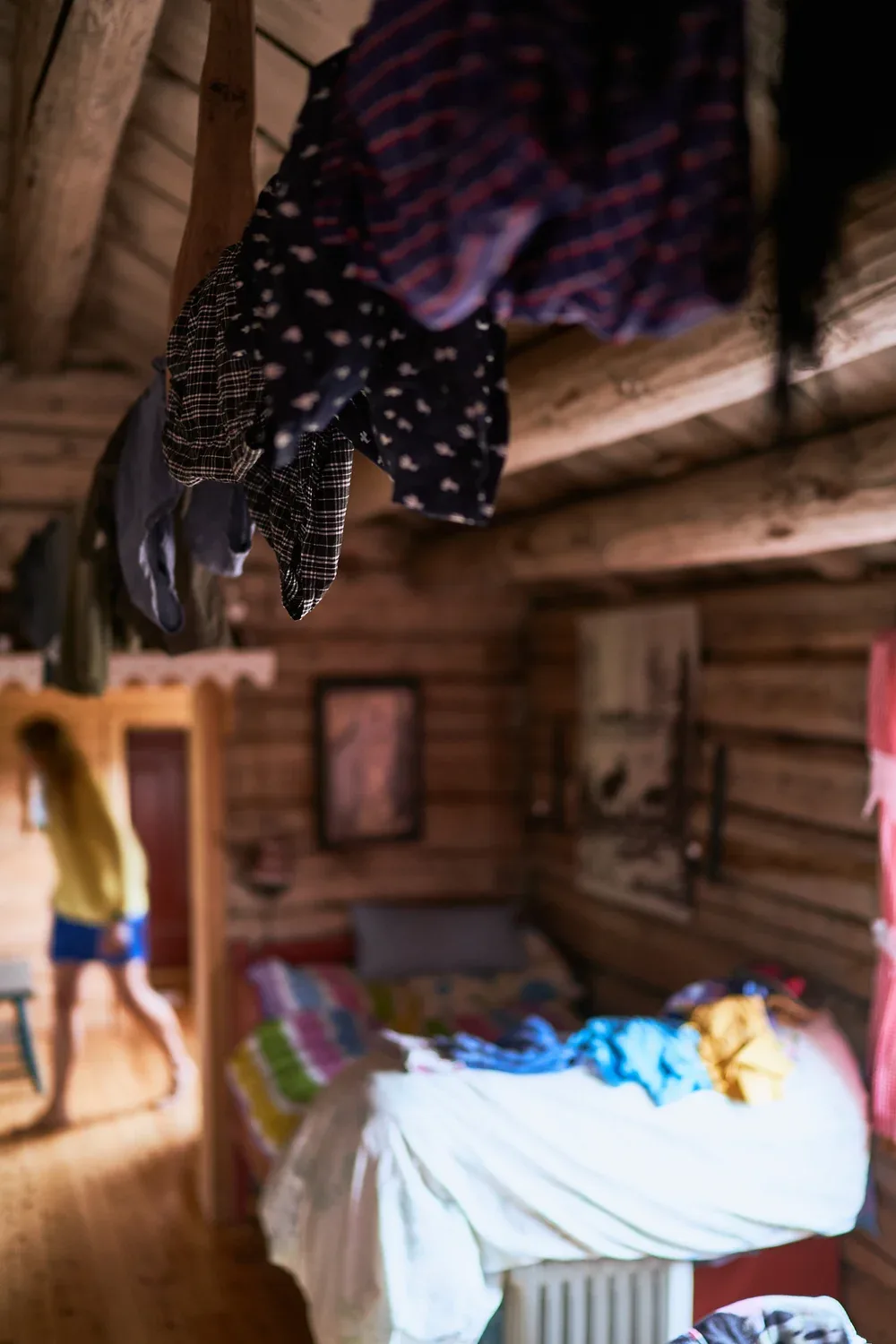
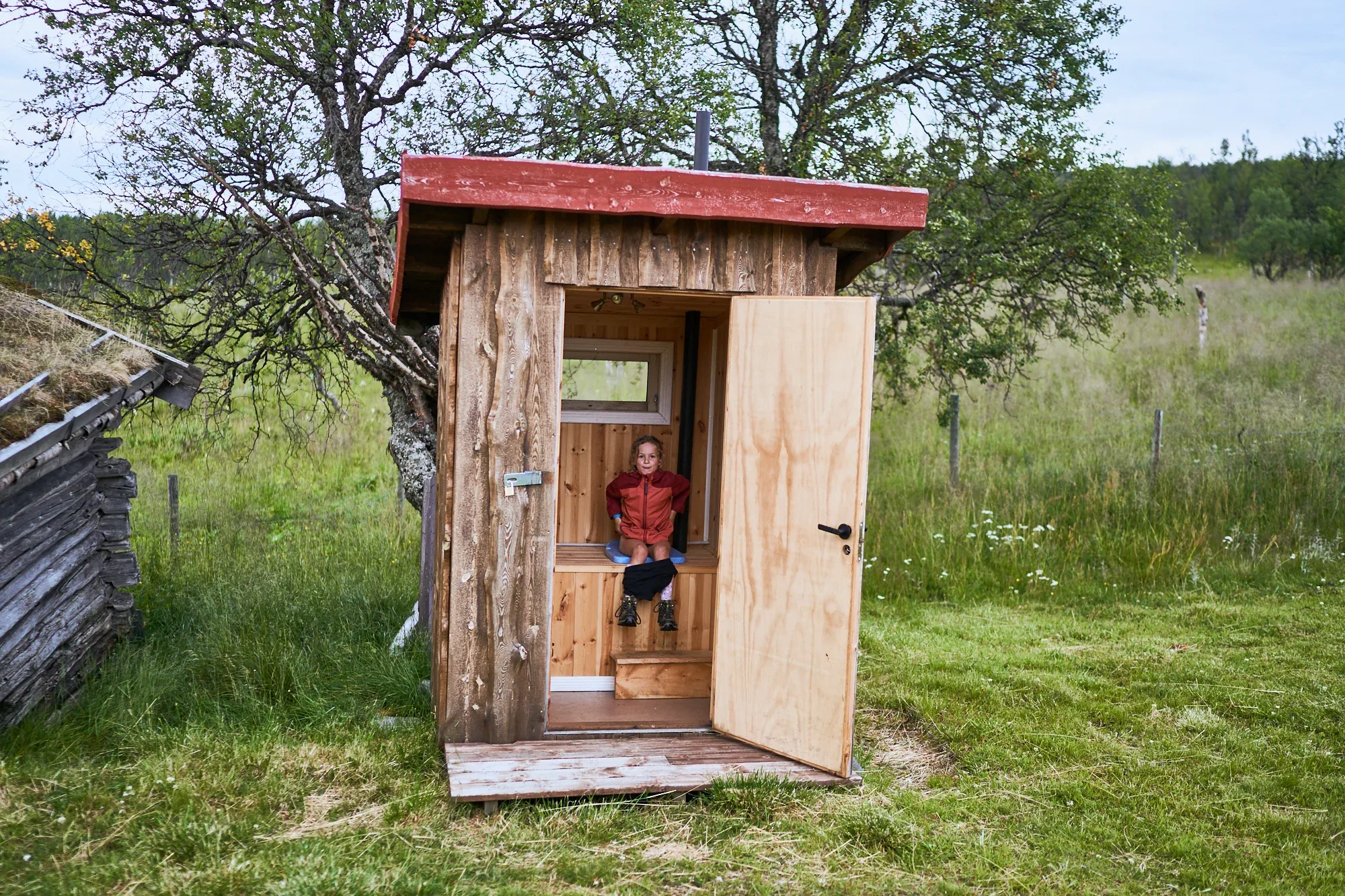
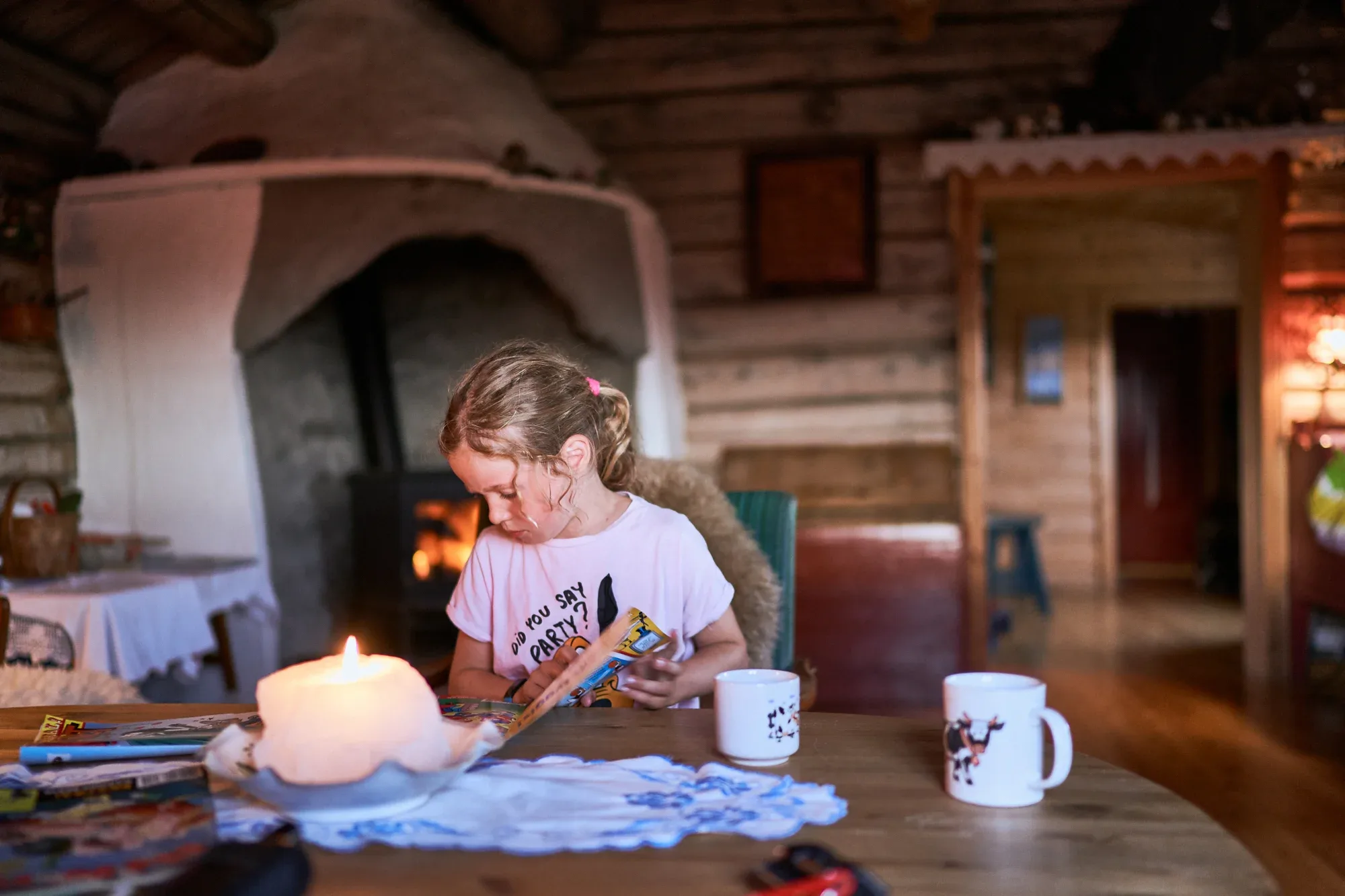
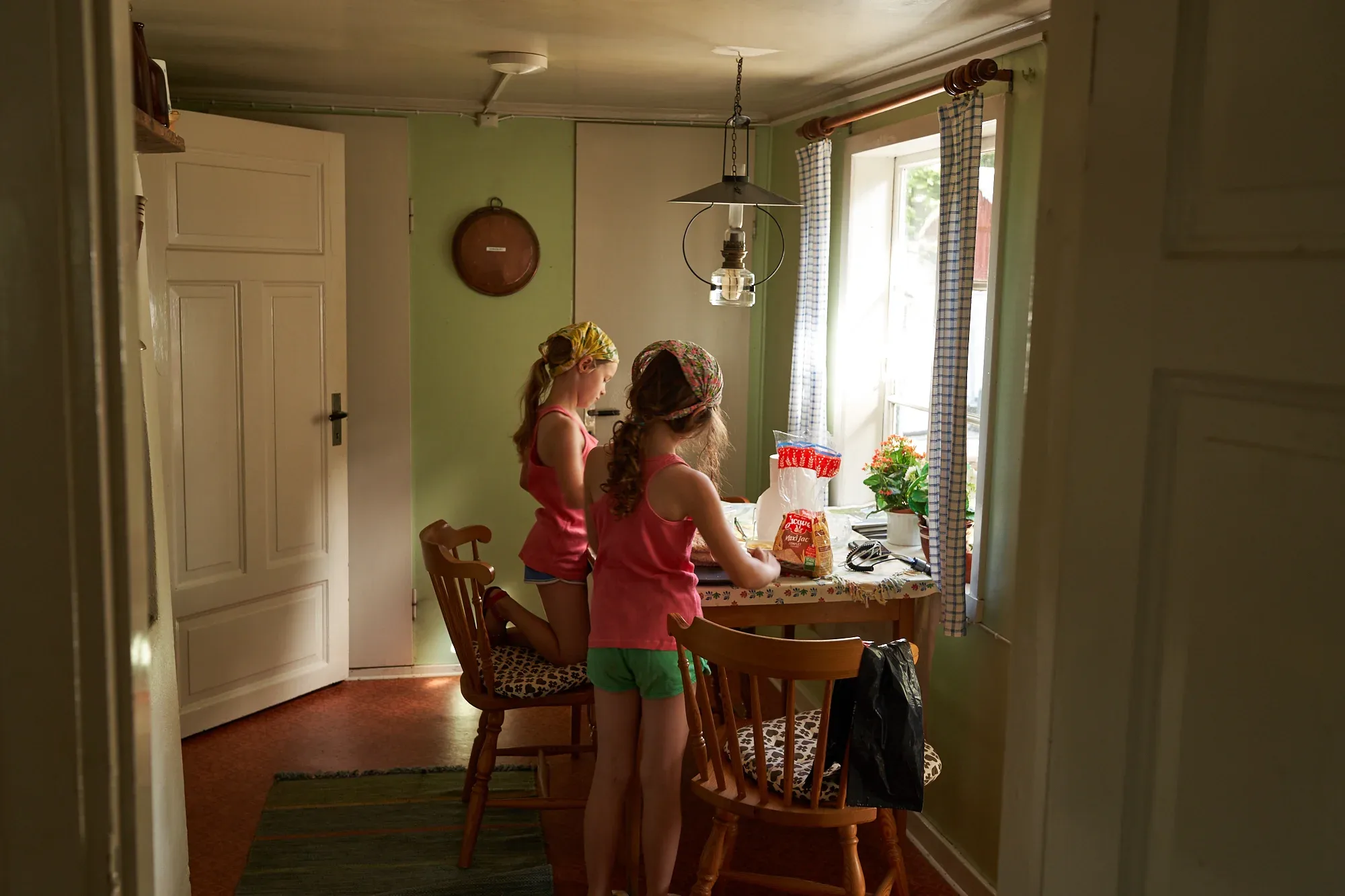
Ten kilometers of gravel led to an old wooden cabin straight from another century: no electricity, no running water, candles for light, a dry toilet twenty meters away. The four of us slept in one big bed, heads on one side, feet on the other — cozy, simple, perfect.
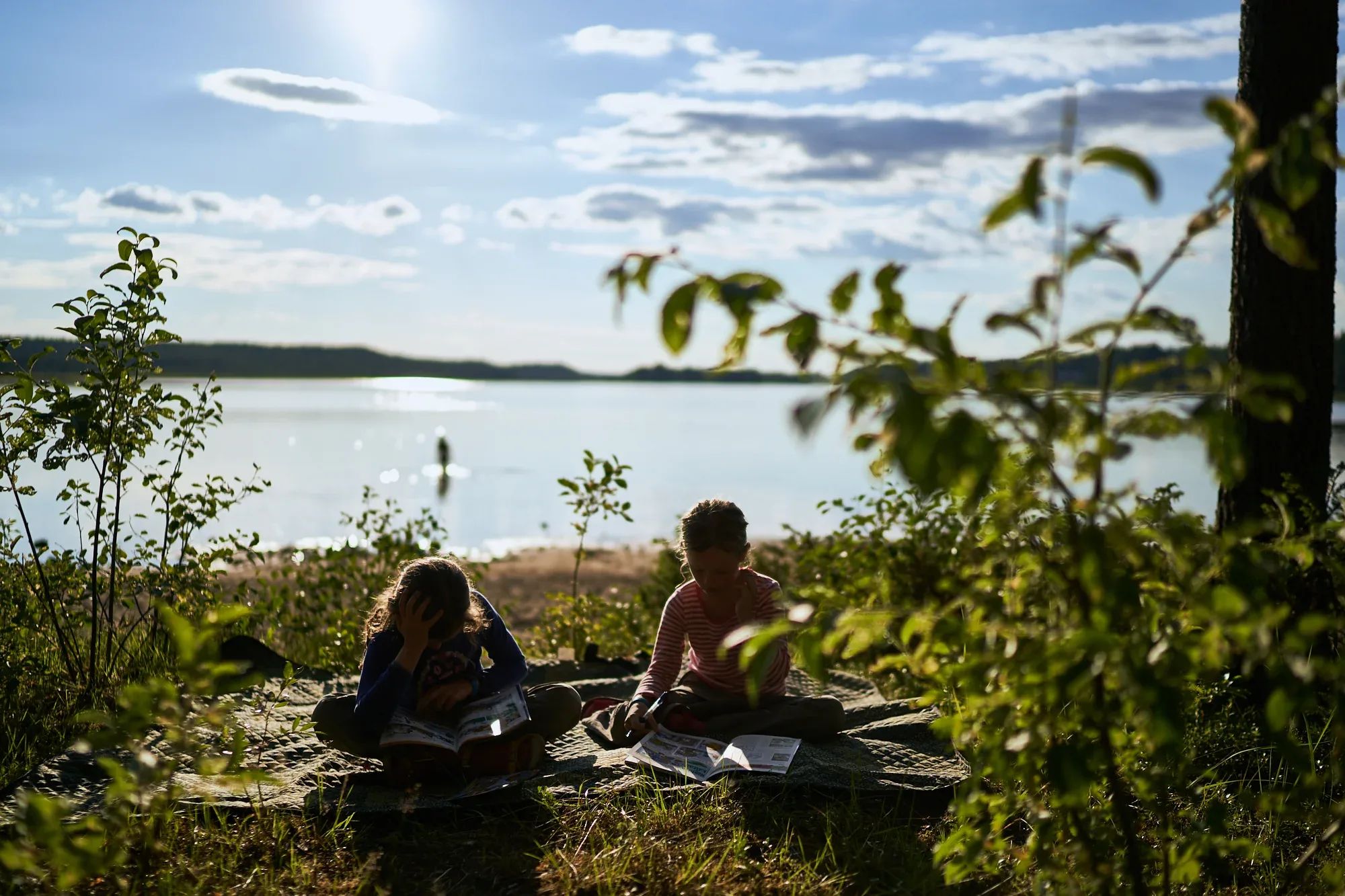
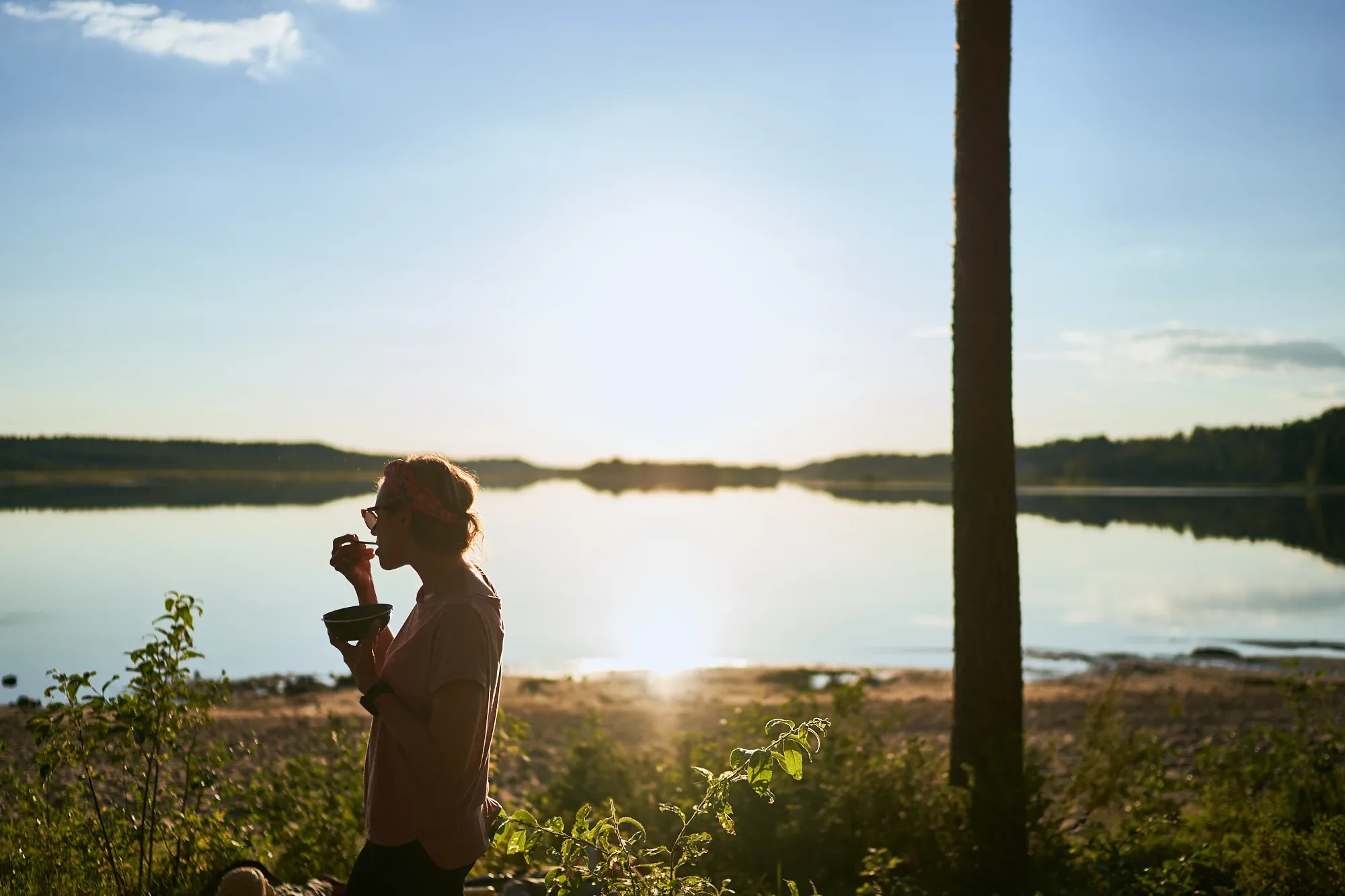
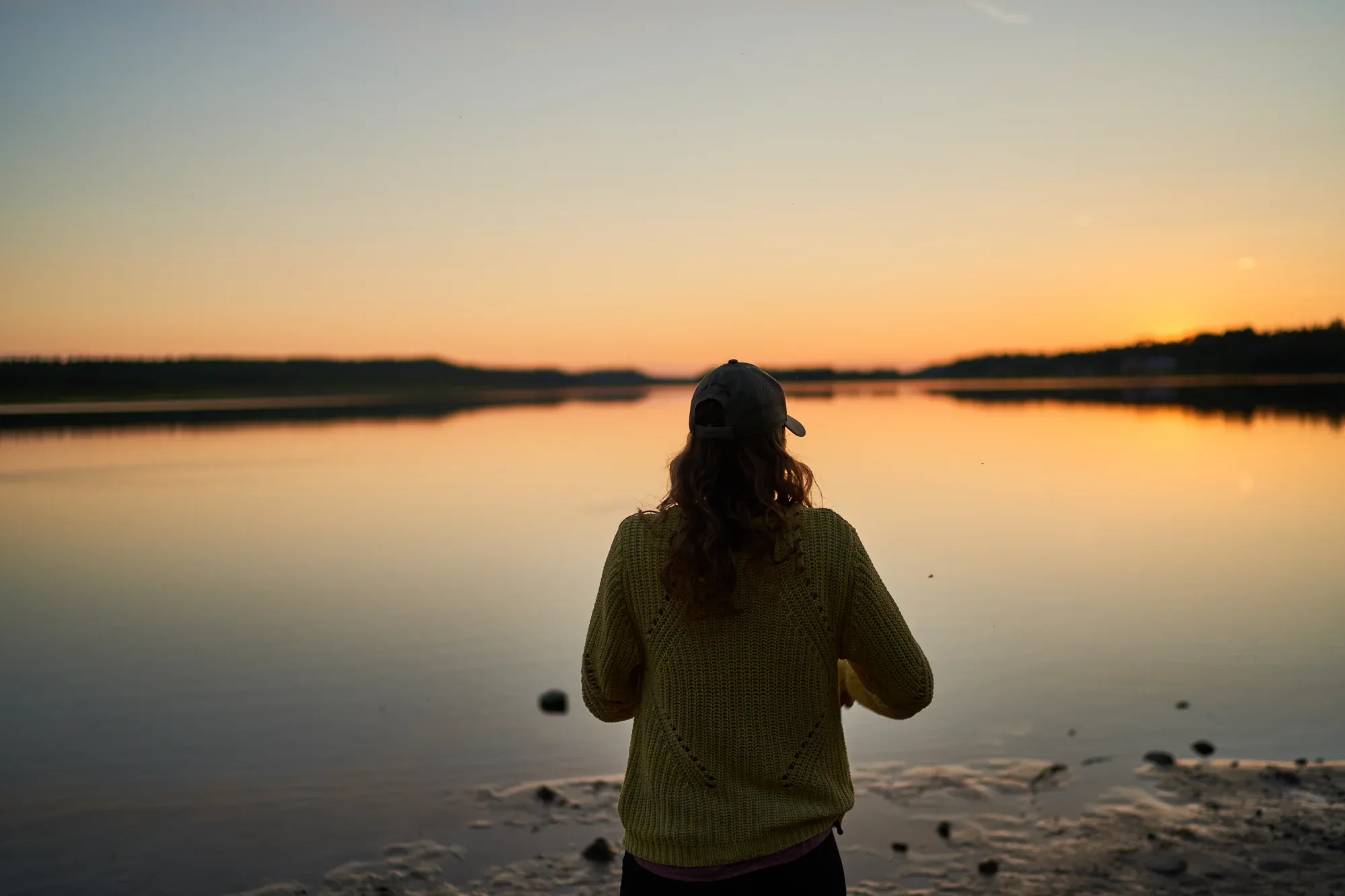
Days were filled with swimming, reading, and quiet. We cooked outdoors, bathed in the lake, and only occasionally drove to civilization for supplies. But soon wanderlust returned. Time to move north.
Wildlife Sweden — A place that stuck
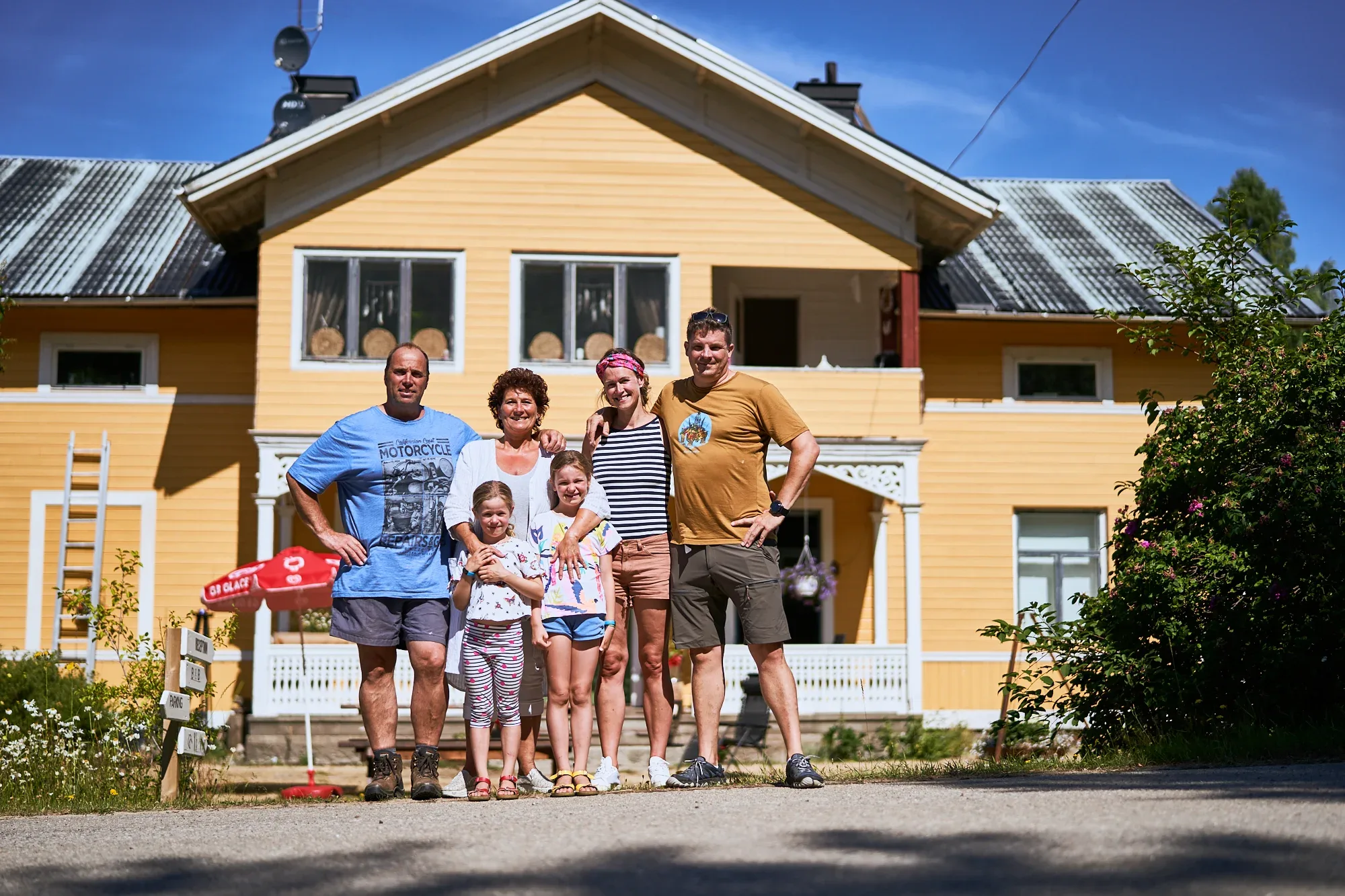
After some trial and error through busy camping towns like Nora and Mora, we found Camping Wildlife Sweden, a small, natural site beside a clear mountain stream. Ten pitches, one wooden shower cabin, and two incredible people running it: Marco and Aafke, a Dutch couple who had traded city life for wilderness.
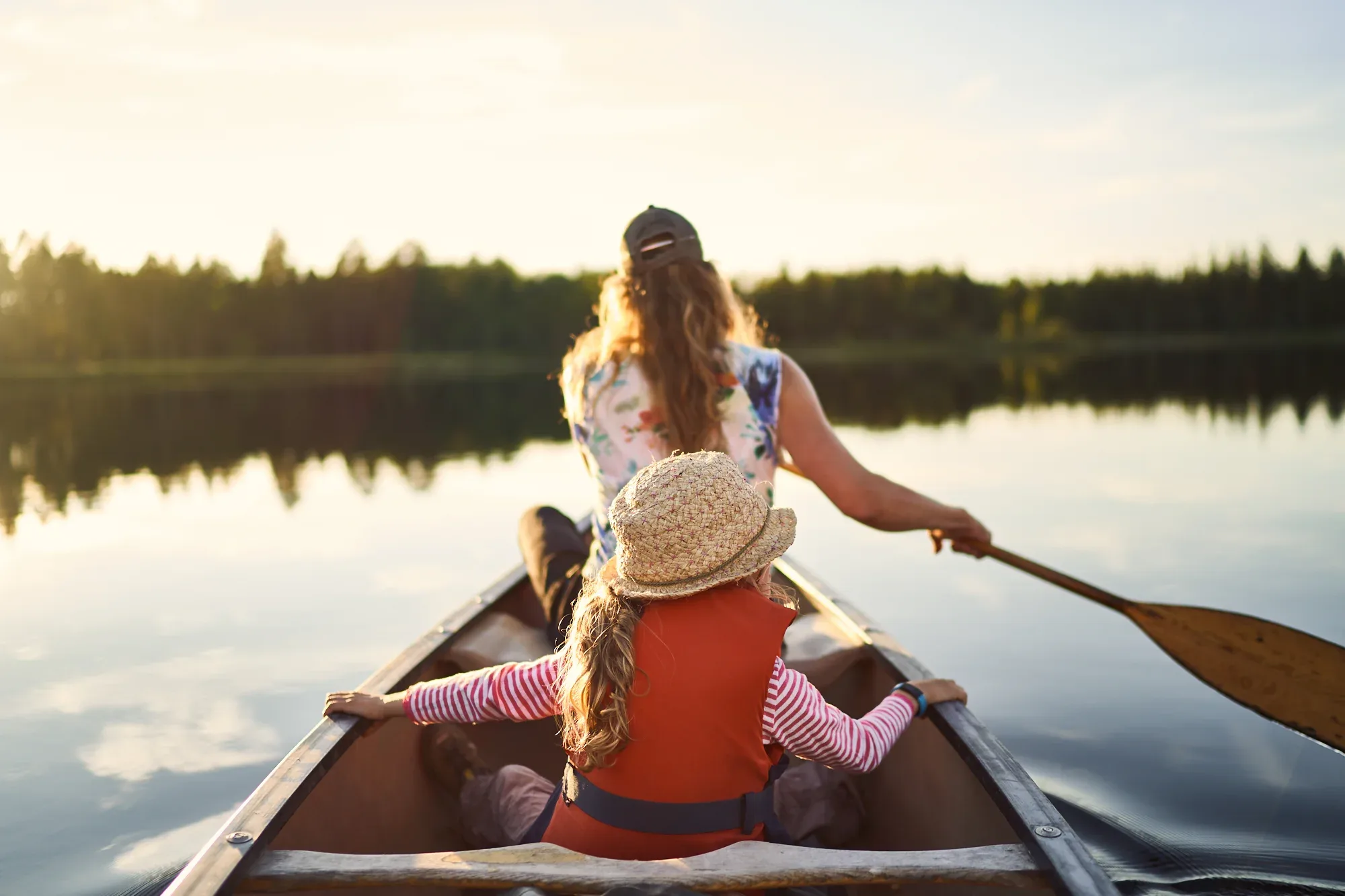
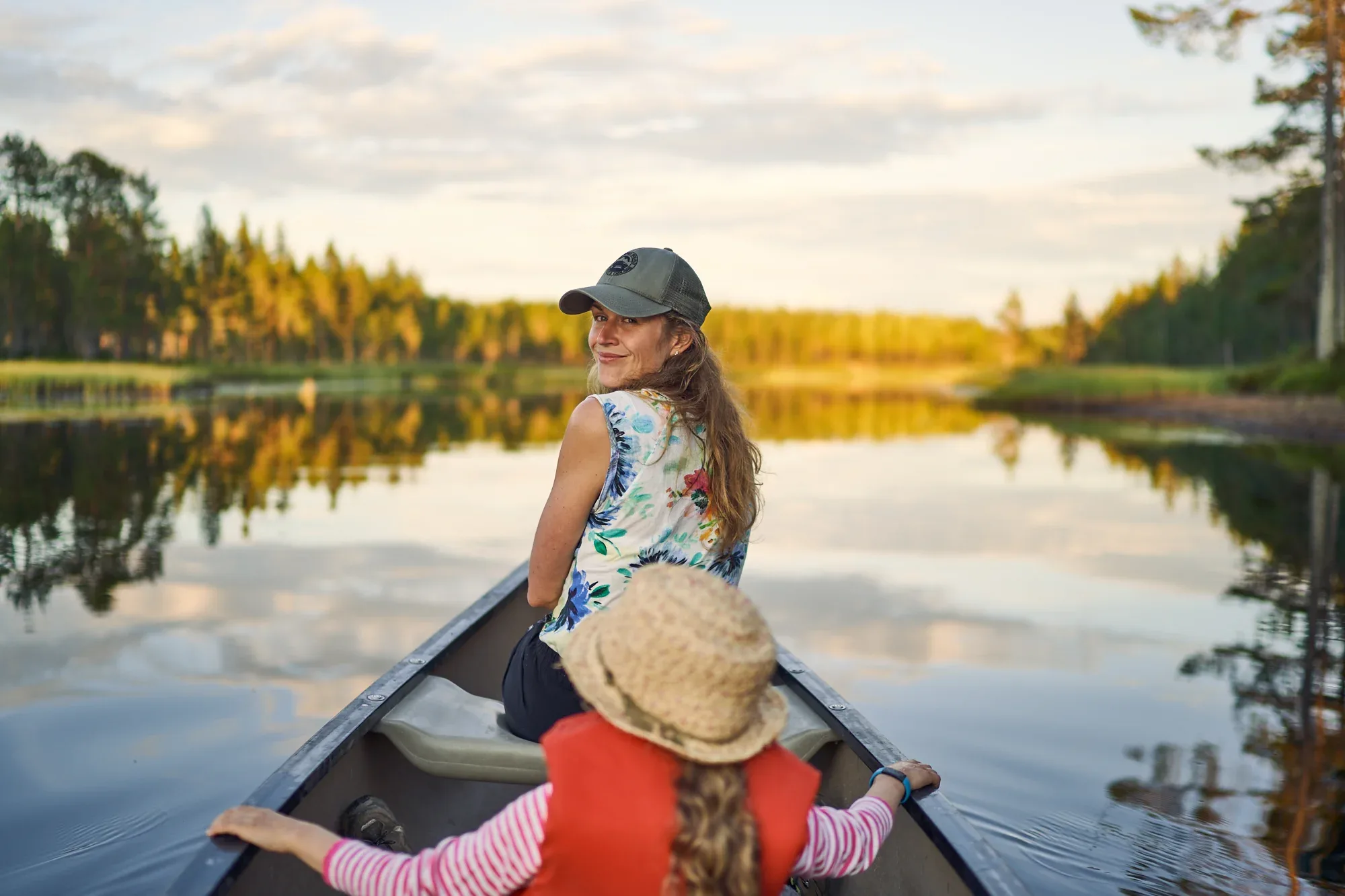
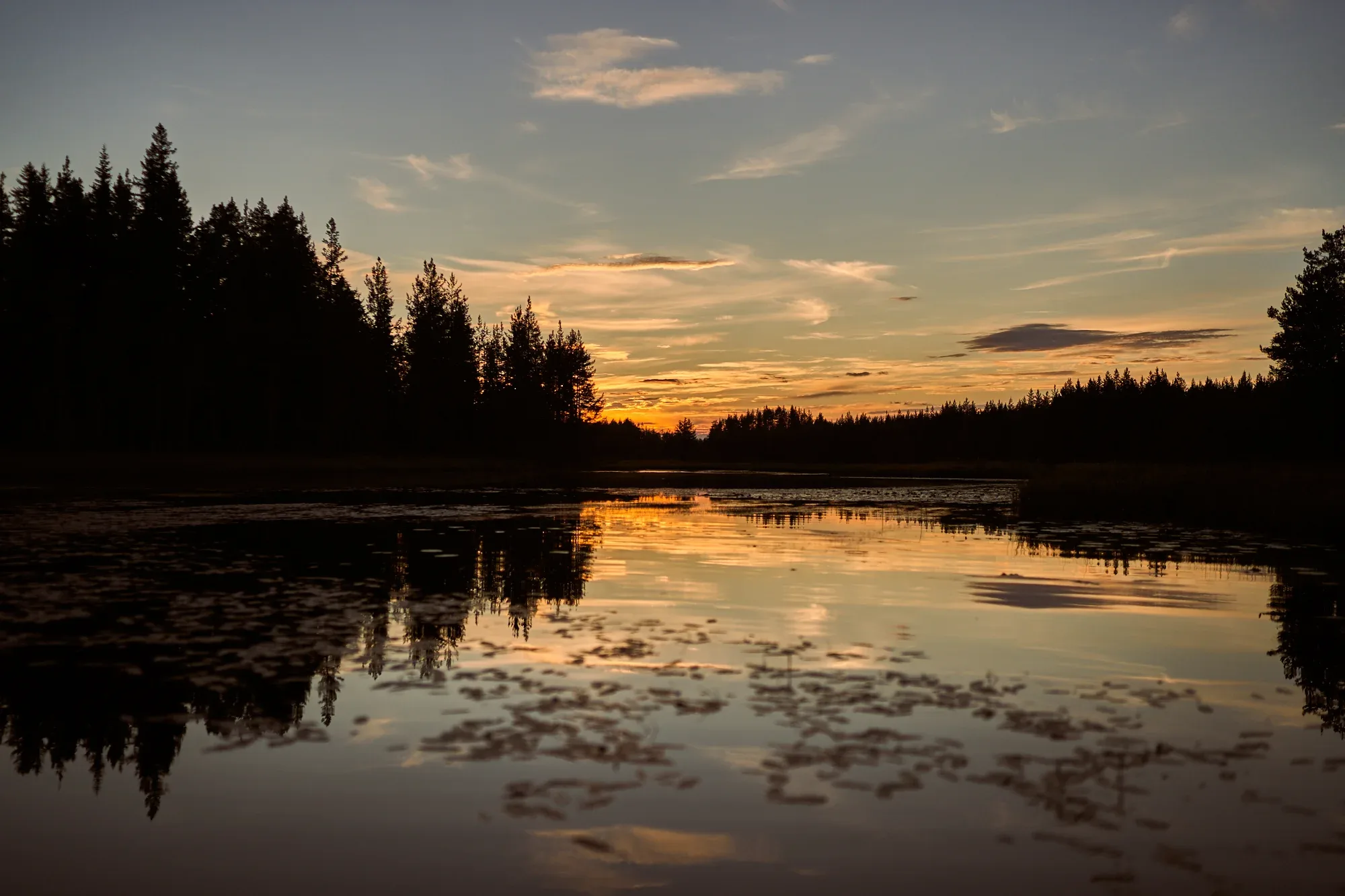
They welcomed us like old friends. Aafke cooked heavenly meals; Marco organized respectful safaris to see bears, wolves, and beavers. We joined him for a beaver safari — gliding silently through still waters as dusk fell, watching tails slap the surface in alarm. His childlike joy was contagious.
We also met other travelers — families with kids who instantly bonded with ours, and even an 87-year-old Dutch couple whose openness and life stories touched us deeply. That small campground became one of the trip’s highlights: not because of scenery, but because of connection.
Then lightning struck — literally.
A nearby forest caught fire. We watched helicopters scoop water from the lake, and I even helped a pilot attach the water bag. The fire was eventually controlled, but days later, as we continued north, we heard the flames had reached the edge of the campsite. Luckily, Marco and Aafke’s home survived. The forests around did not.
Northbound again
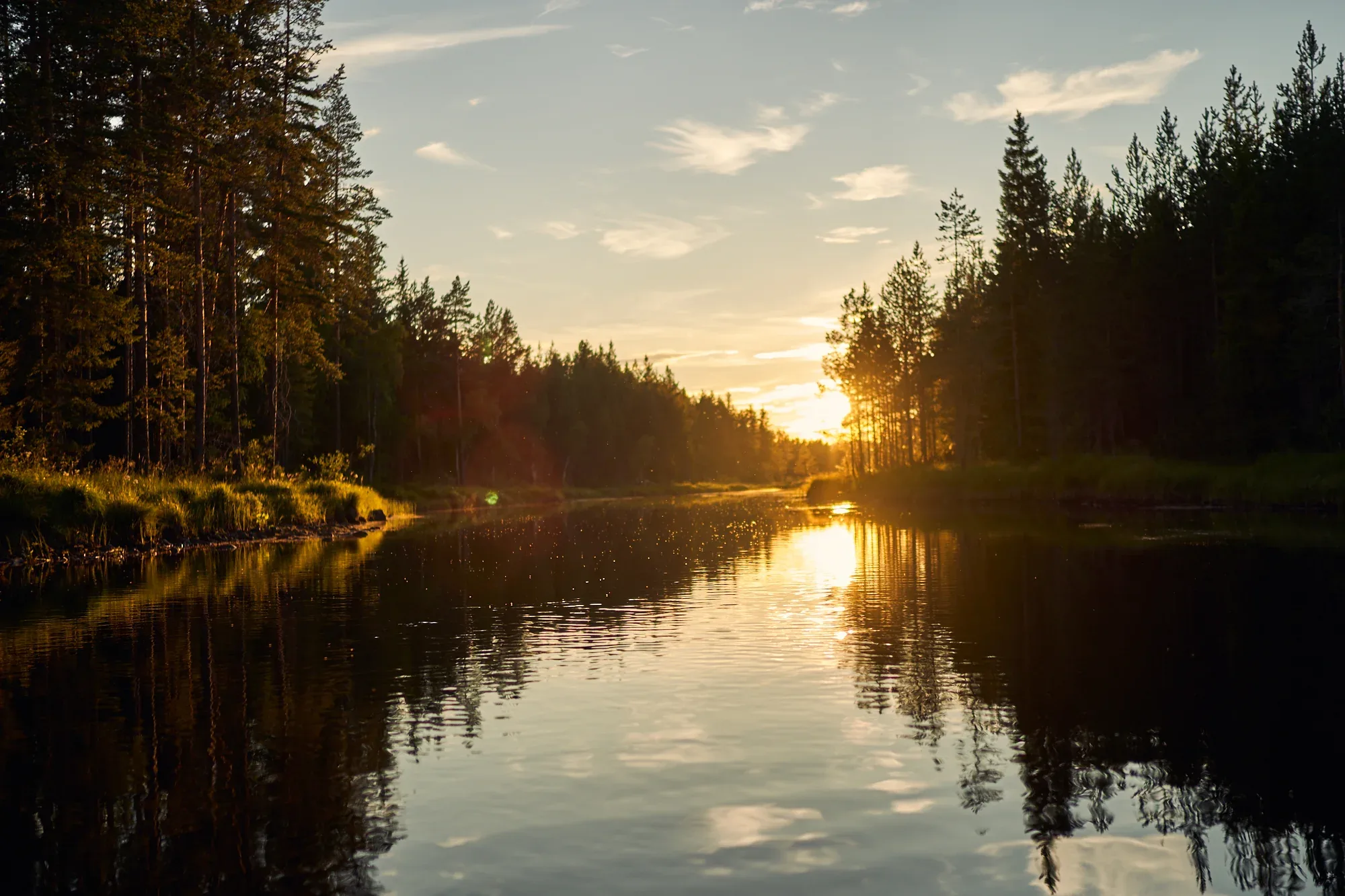
We moved on, pitching our tents beside lakes and quiet valleys — places so peaceful it felt unreal. One night, an elderly Swede stopped by in an old car and shouted “bär, bär, bär!” while pointing to the woods. For a moment I thought he was warning me about bears. Turns out he meant berries. Good laugh.
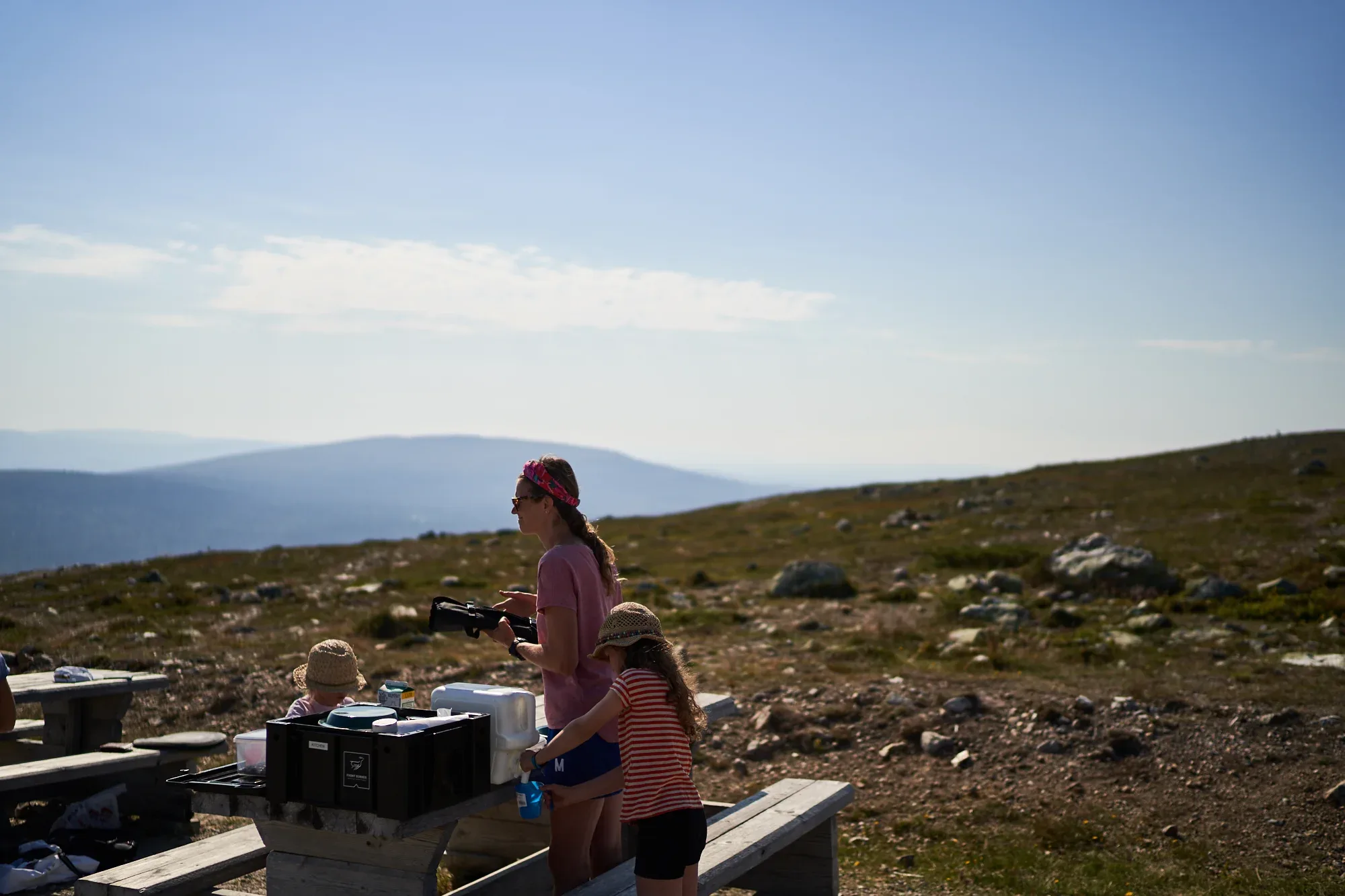
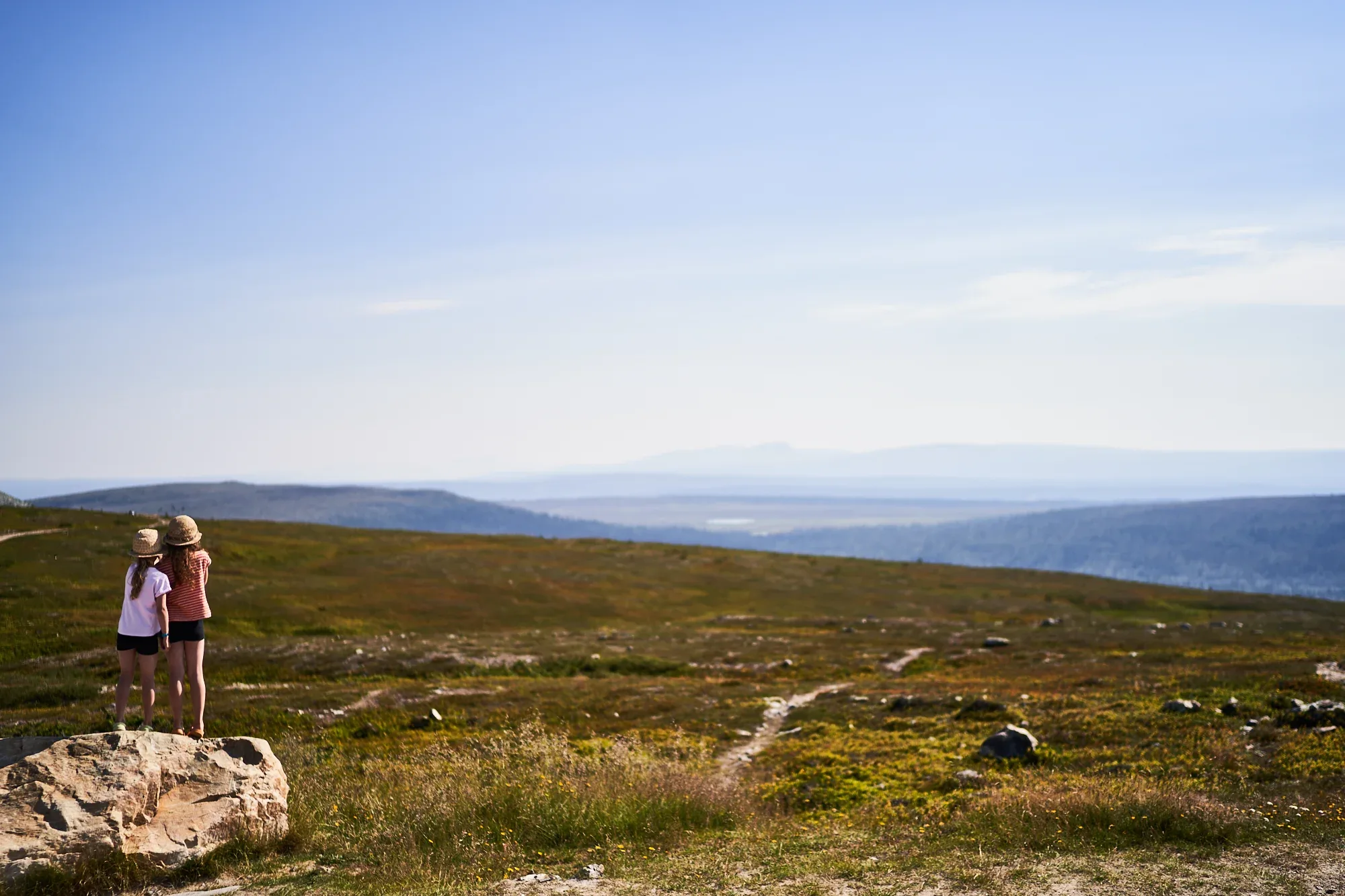
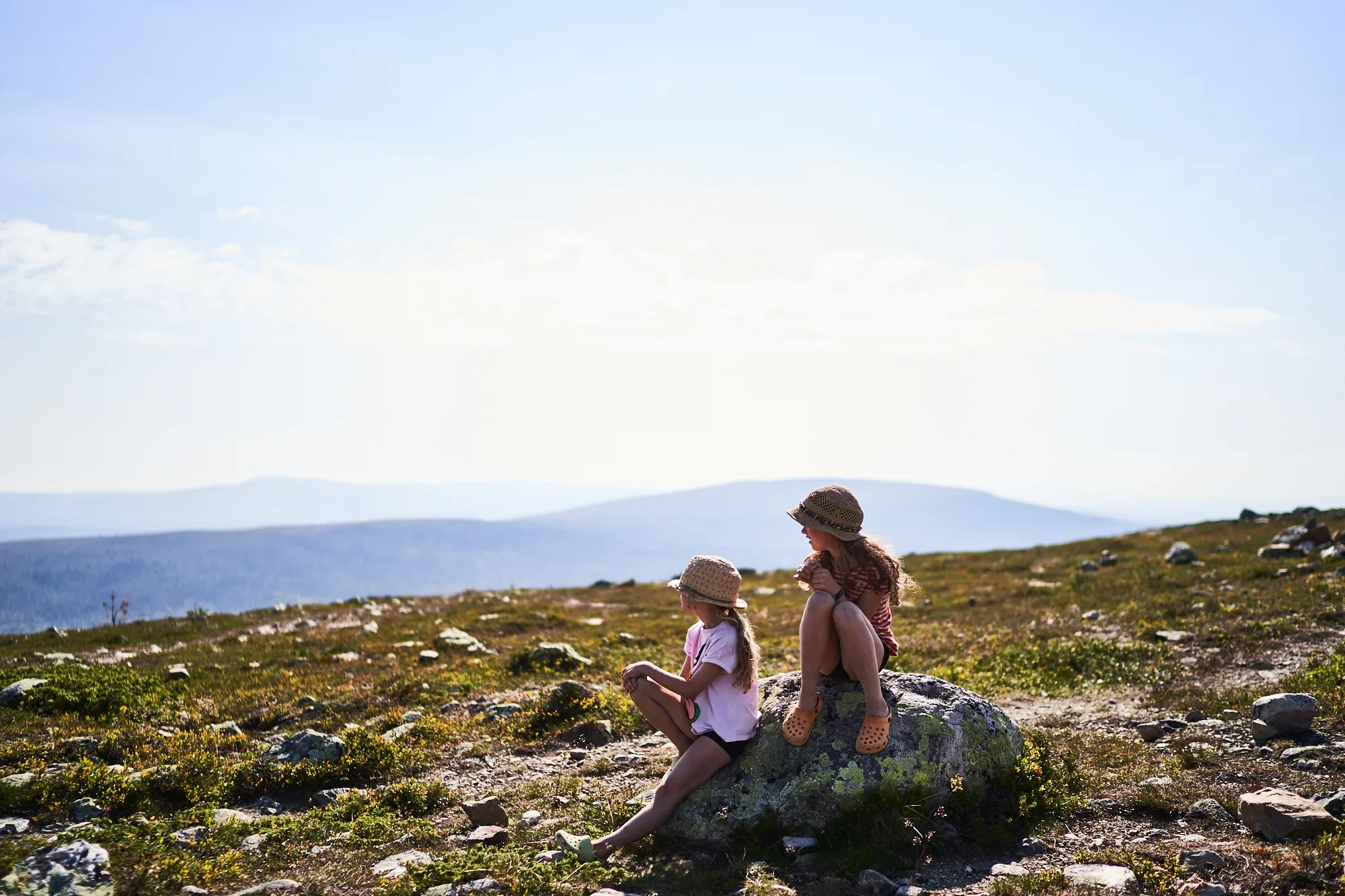
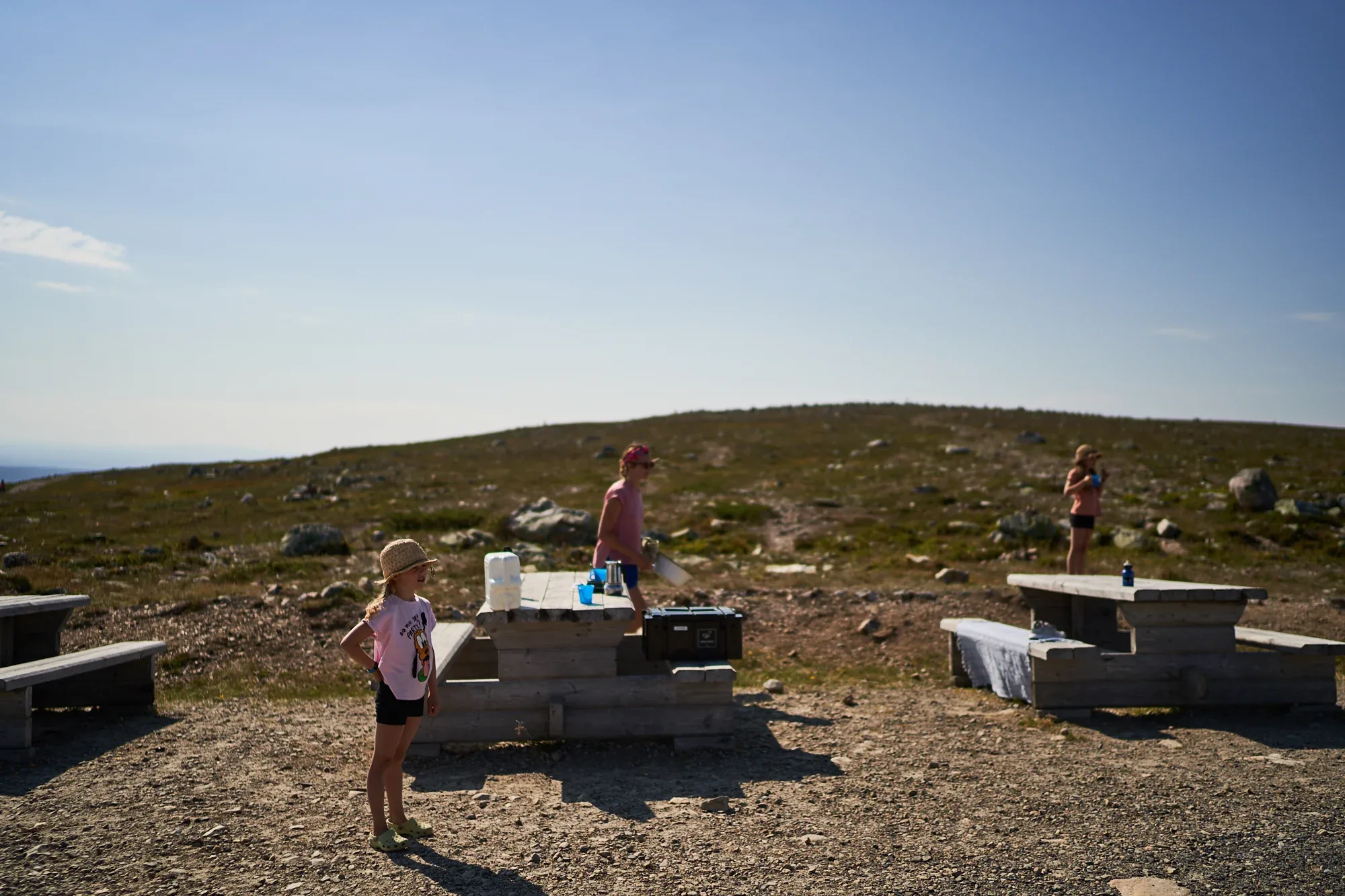
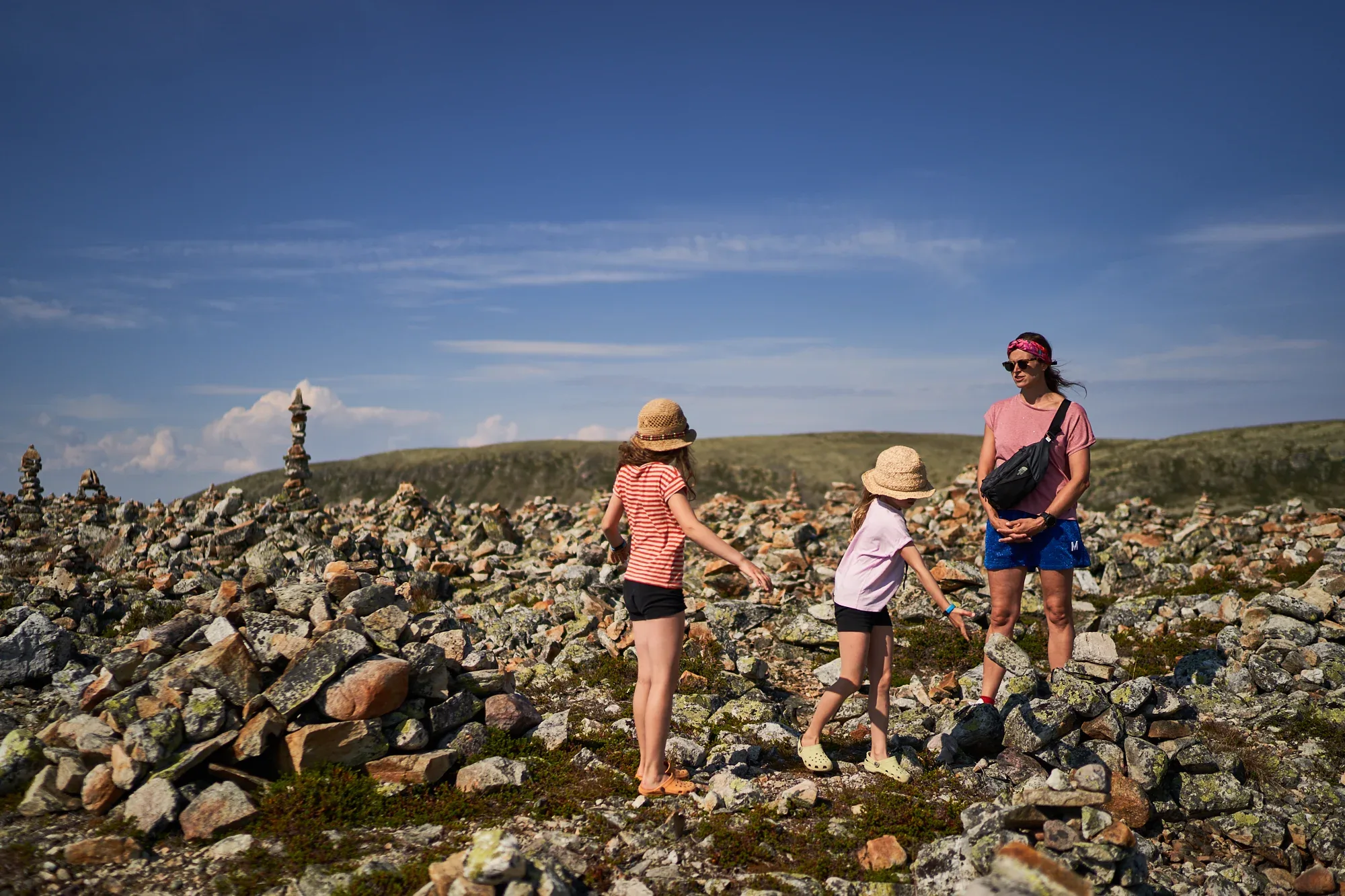
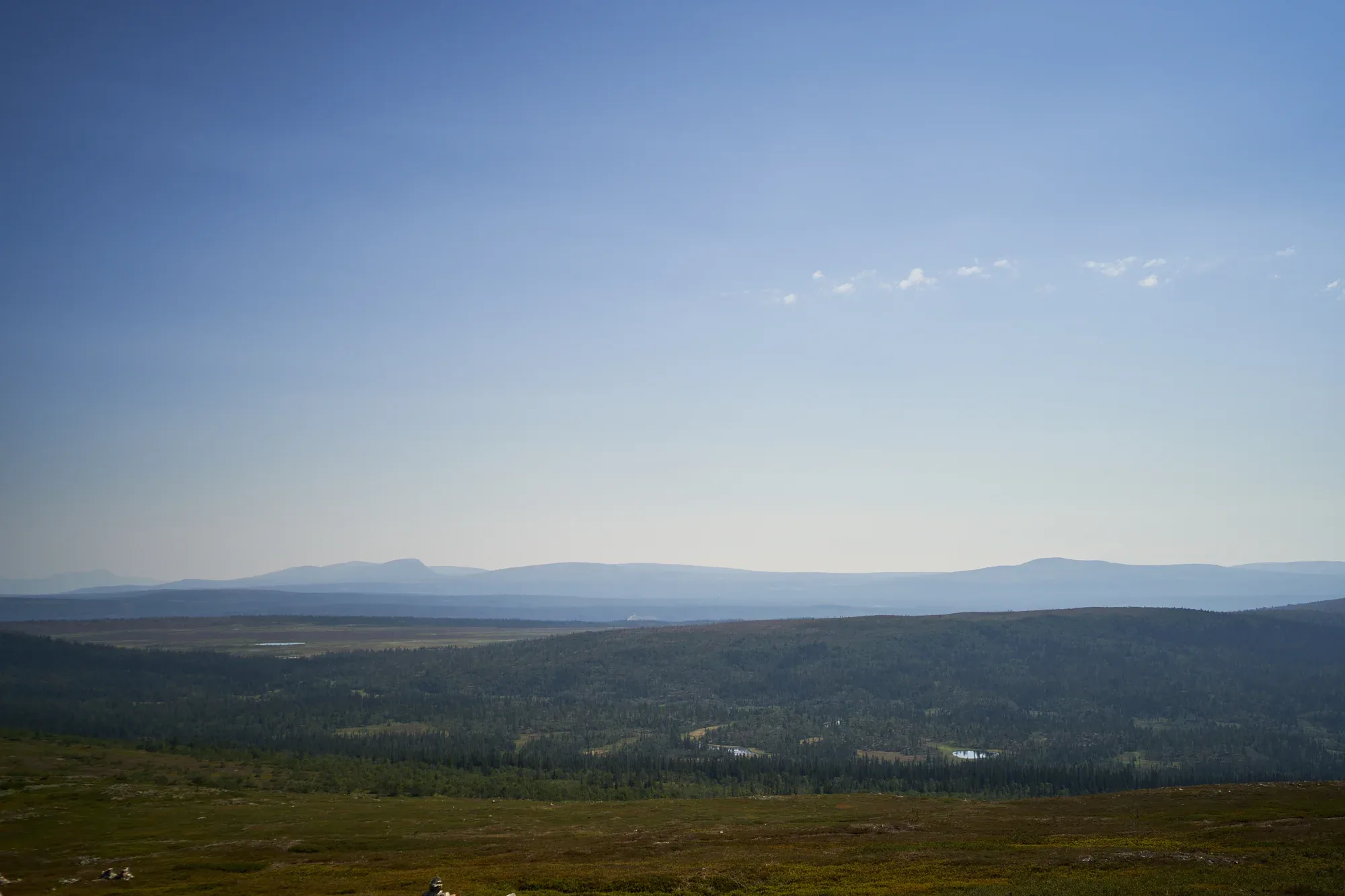
At another lake, Burusjön, we met a father and son dressed as cowboys, fishing through the night and sharing stories of country music. The next morning we woke to the smell of smoke again — fires still burning in the distance — packed up quickly, and drove higher into the mountains. Breakfast with a view from the top of Nipfjället erased the stress. A stone tower we built there still stands among hundreds of others — a tiny marker of our time in Sweden.
Sweden had delivered everything we hoped for: lakes, forests, light, calm, and encounters that stuck. But now Norway was calling.
Crossing into Norway
The border came quietly — trees giving way to rolling mountains. A local woman had suggested visiting Røros, a beautiful mining town of colorful wooden houses. We wandered its old streets, ate pizza, and bought a Norwegian SIM card — the simple pleasures of civilization.
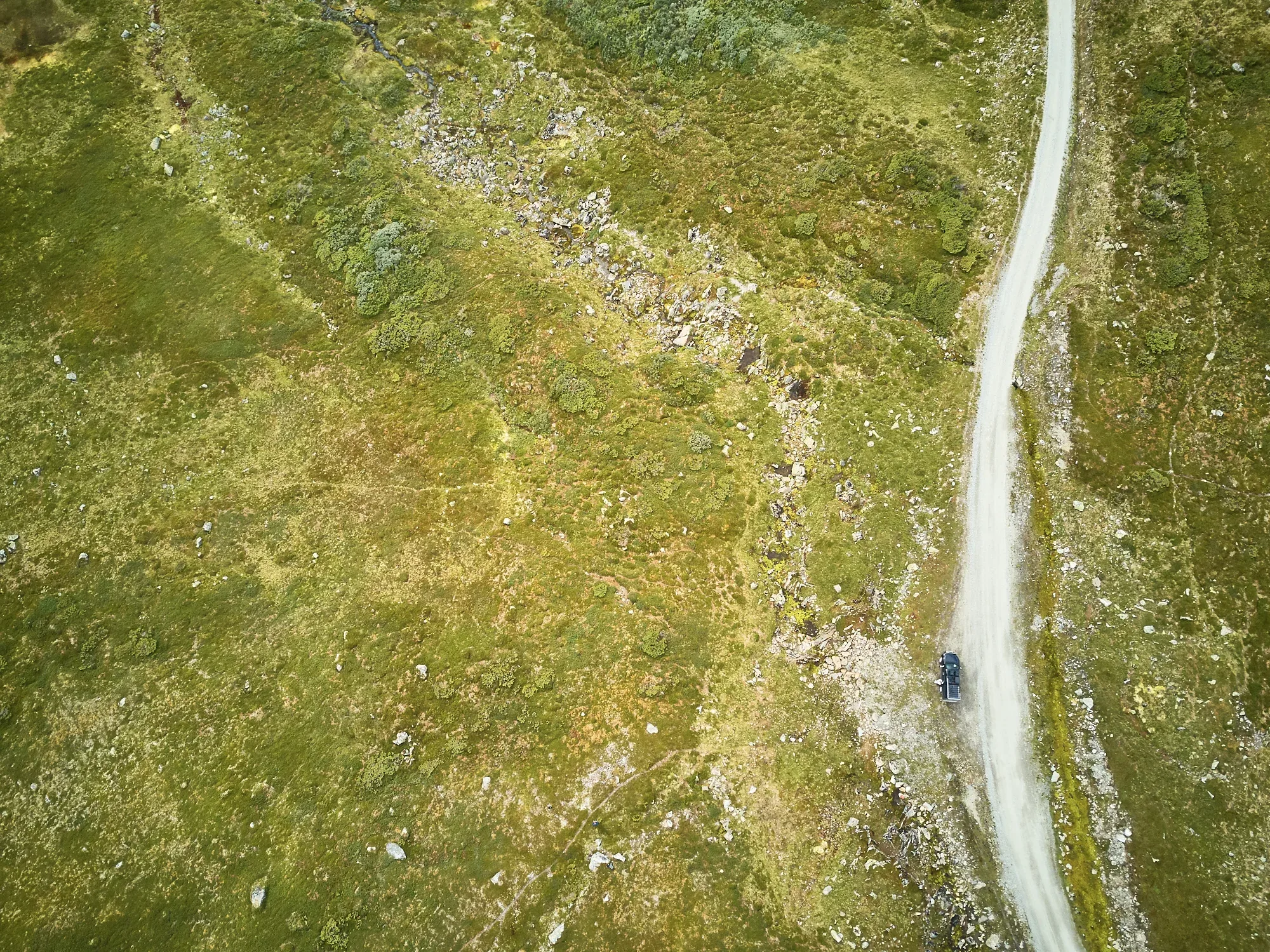
But that night, finding a place to stay turned tricky. Every cabin seemed full until, after a few calls, a friendly local named Jan found us an alternative — a family mountain lodge in Vingelen. He met us at the village church and guided us up a gravel road deep into the hills. What awaited us was beyond anything we imagined.
Vingelen — A step back in time
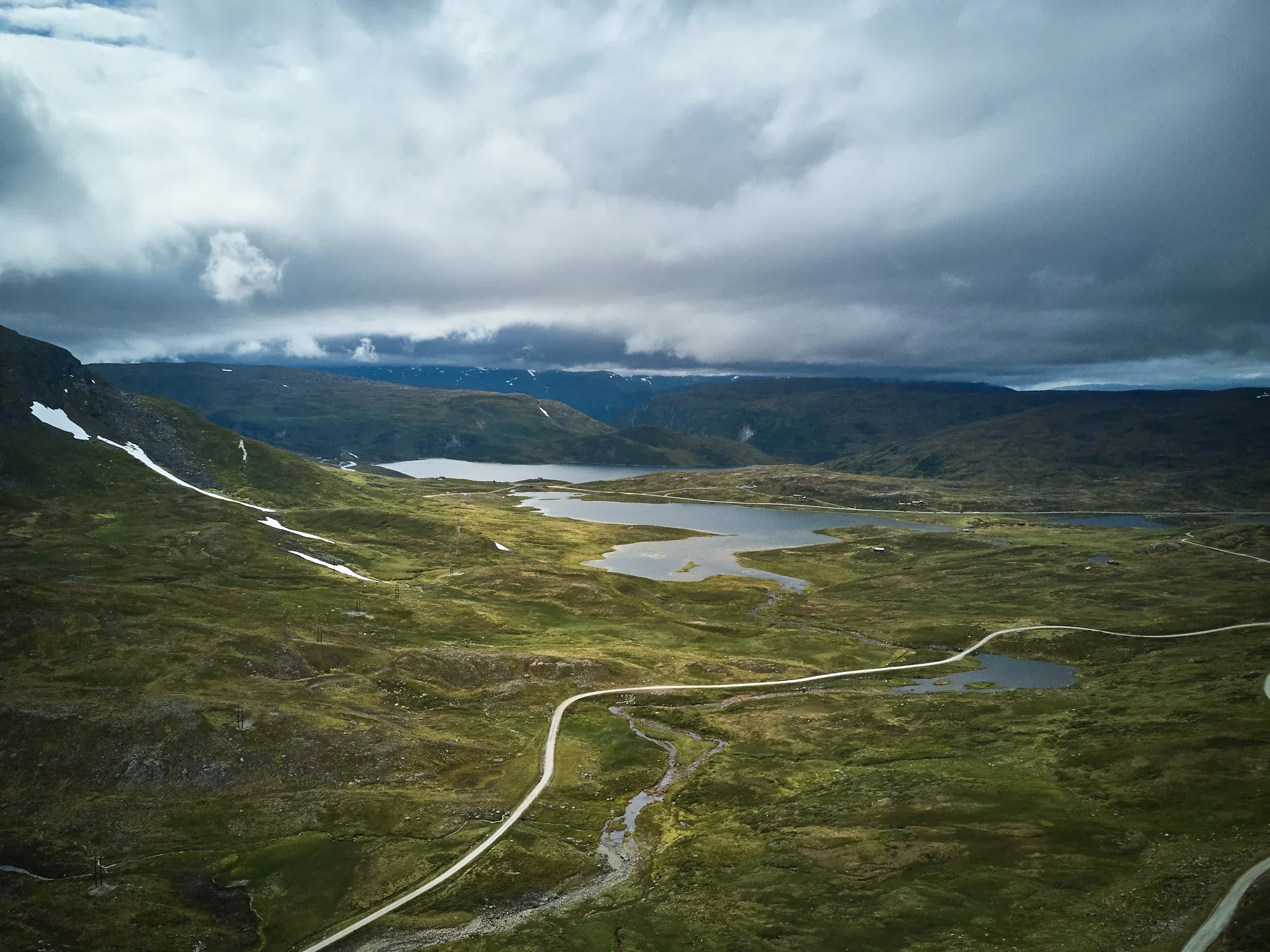
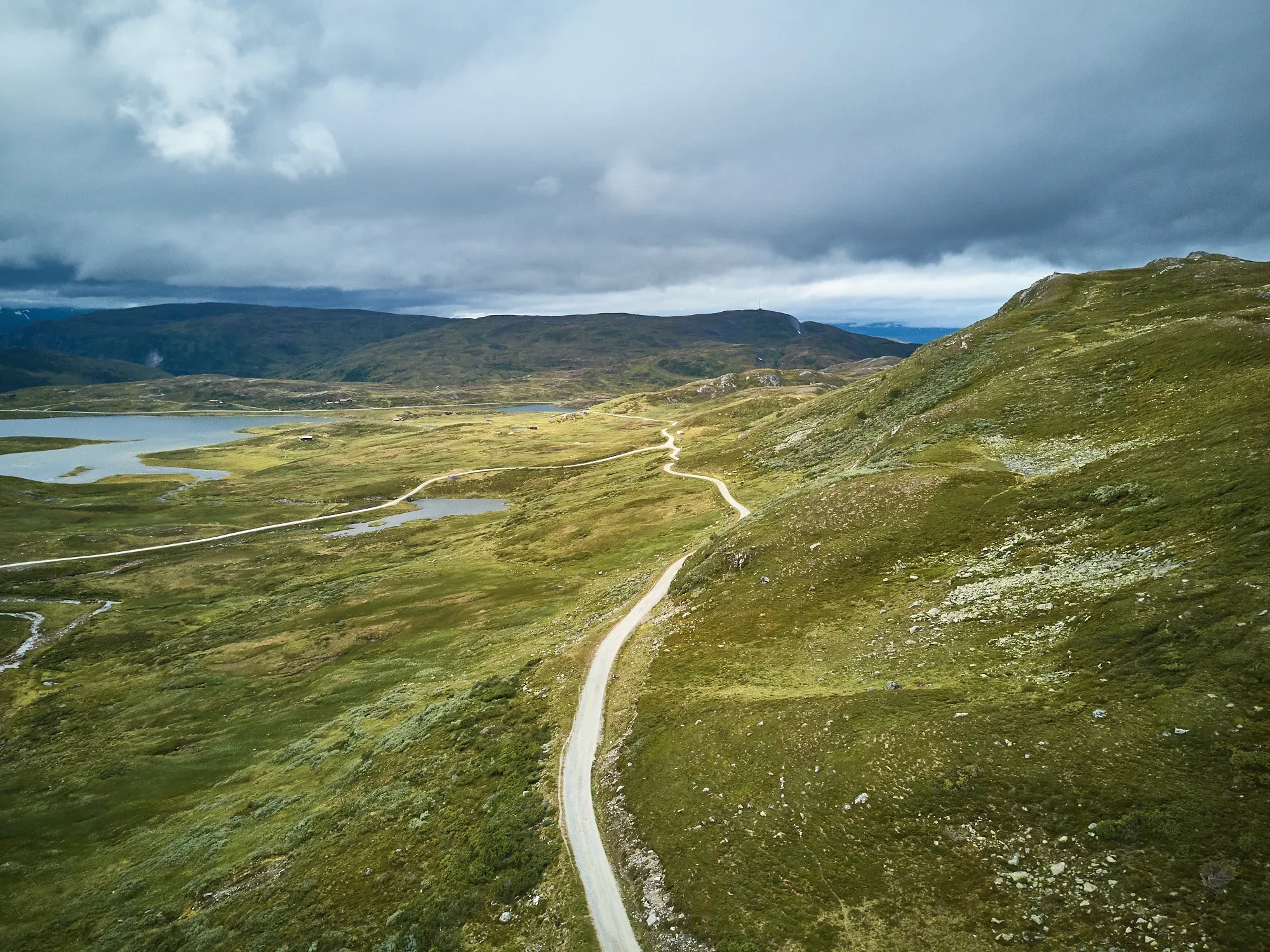
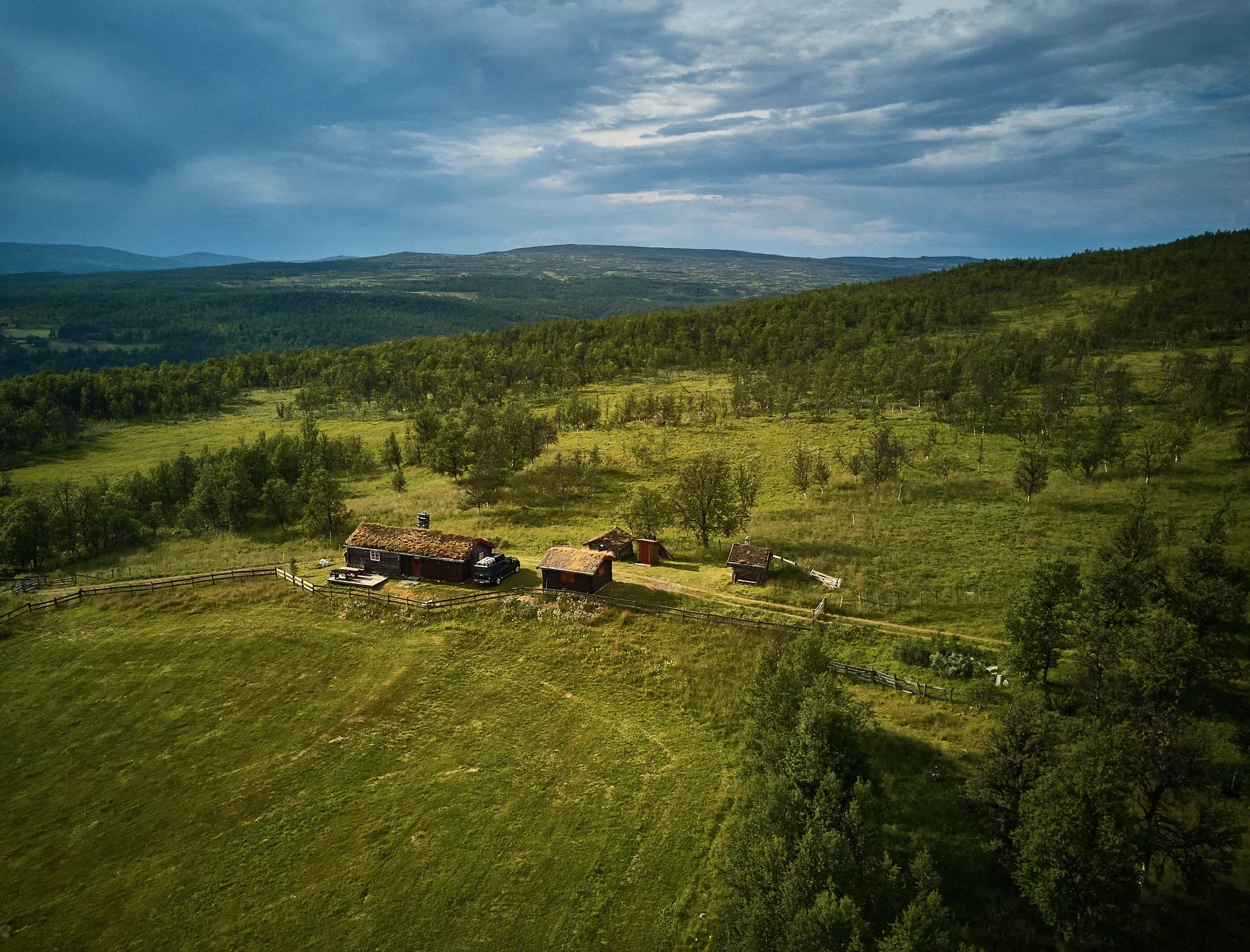
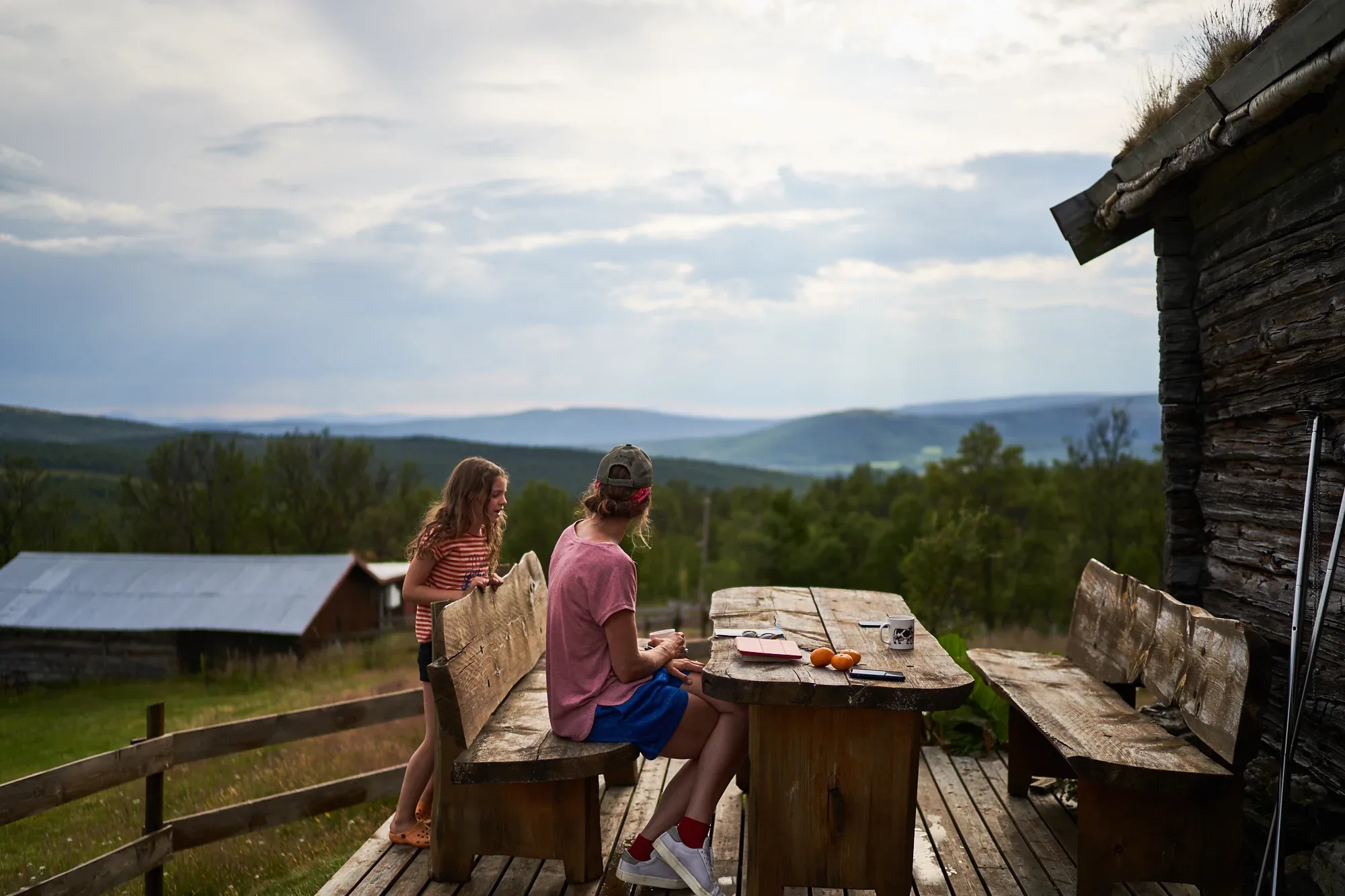
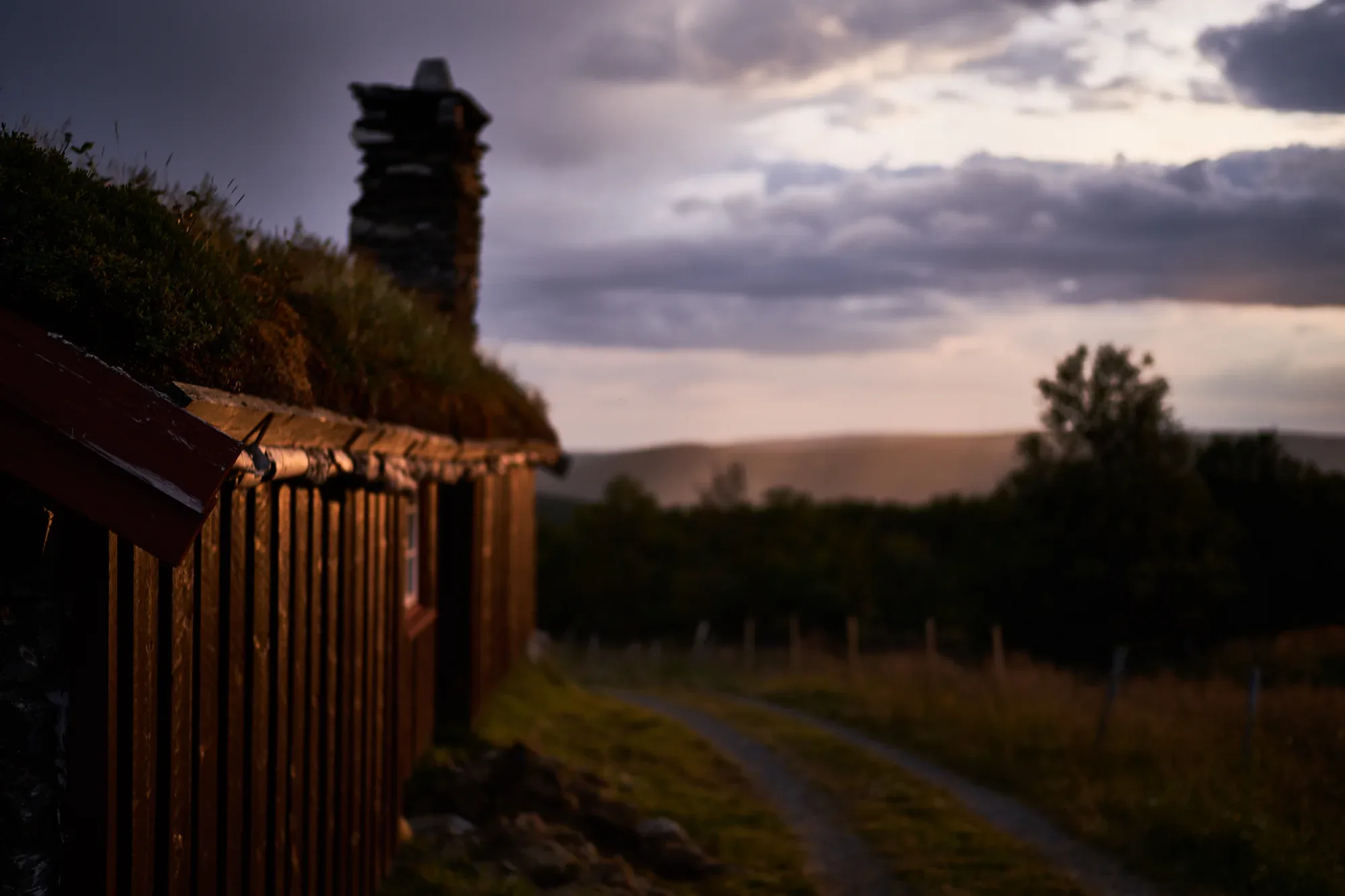
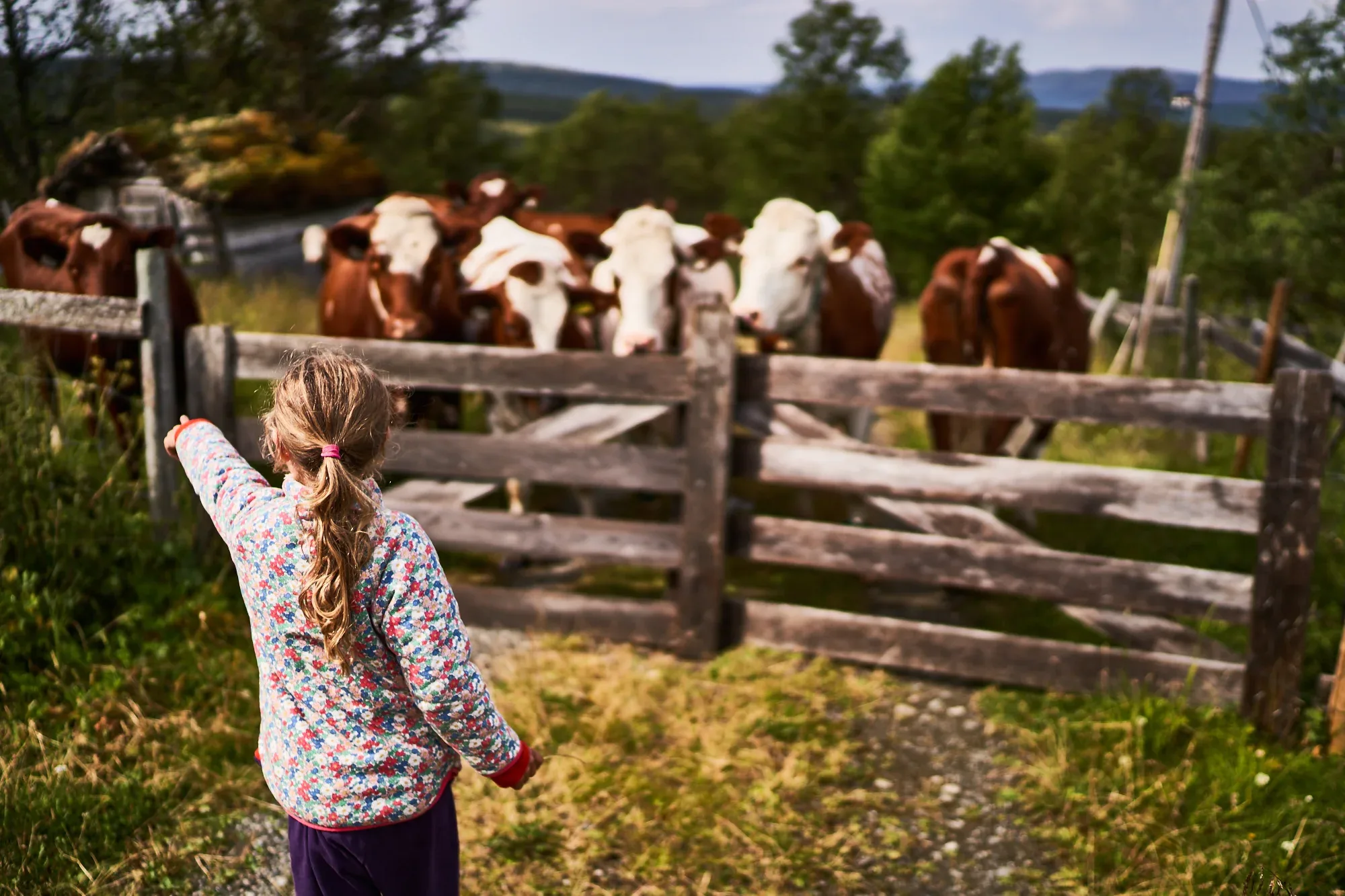
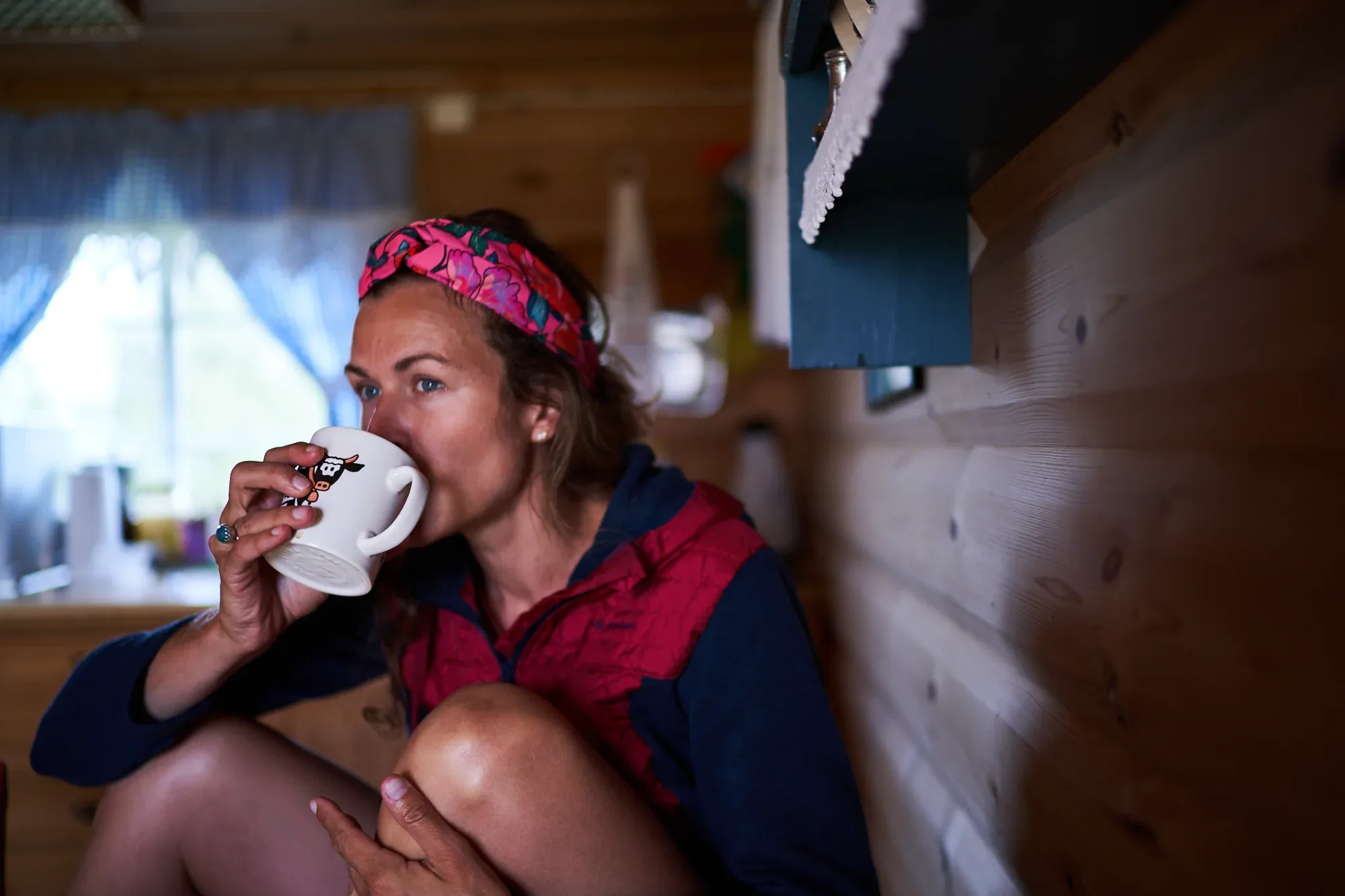
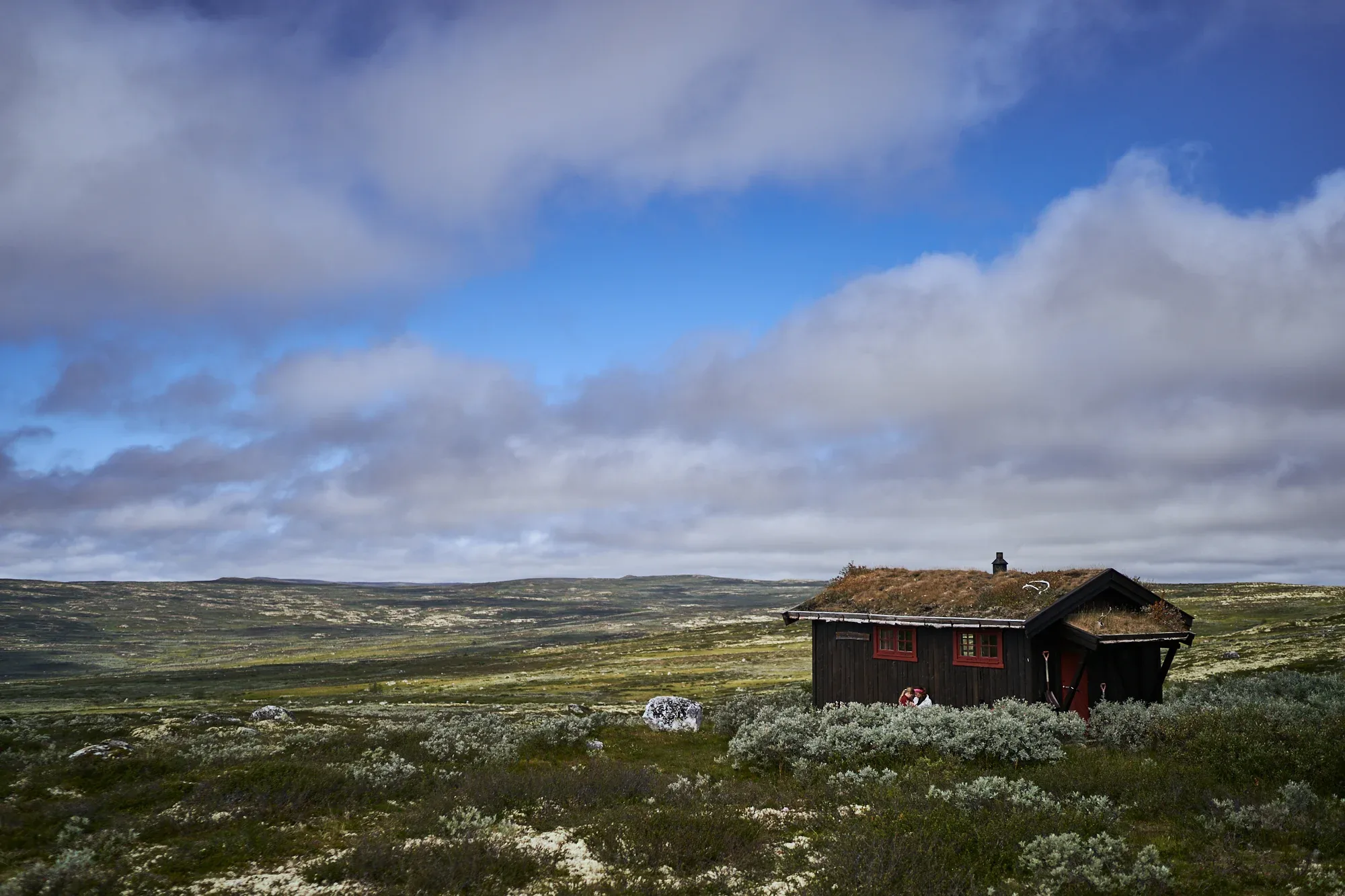
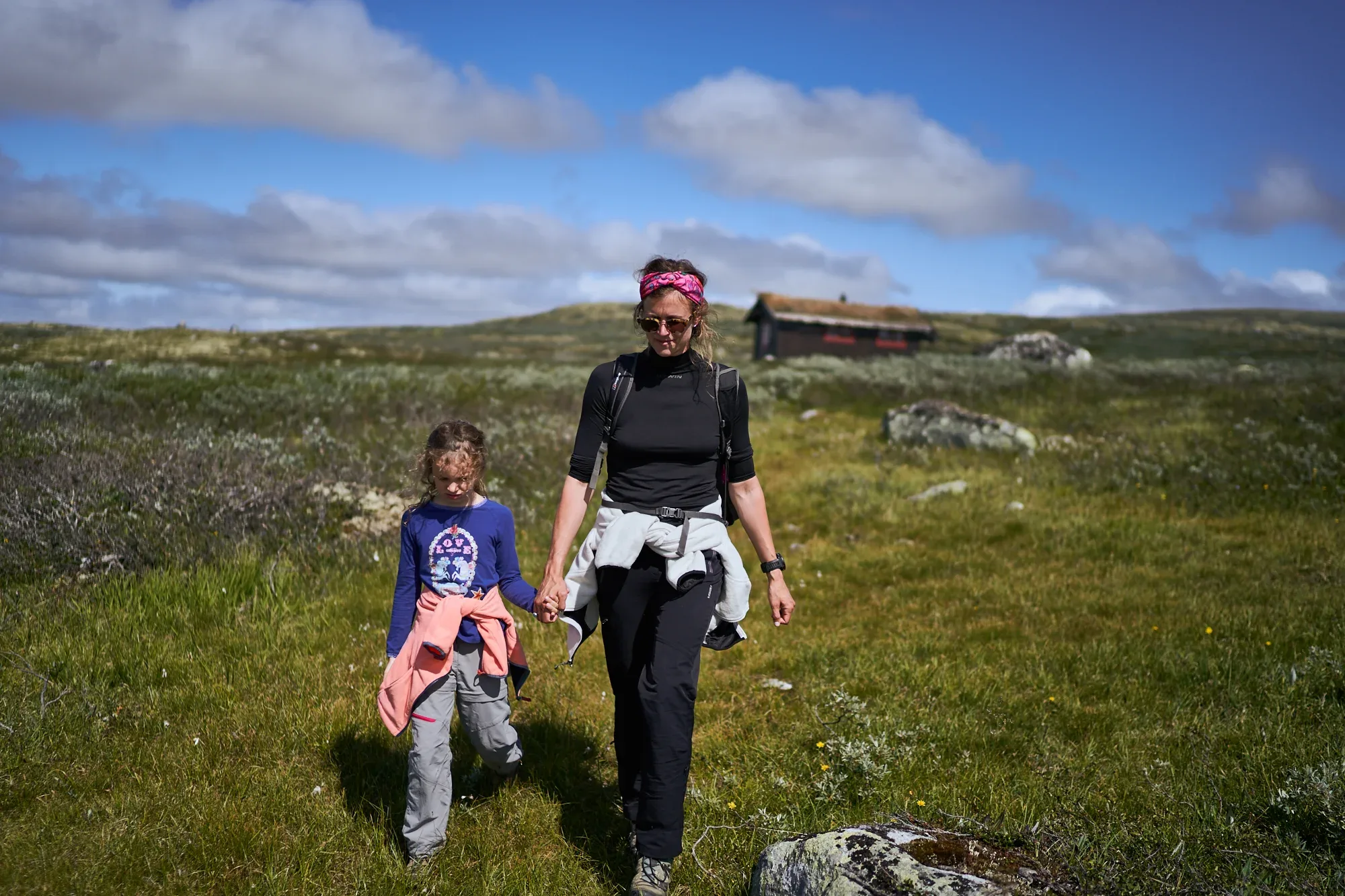
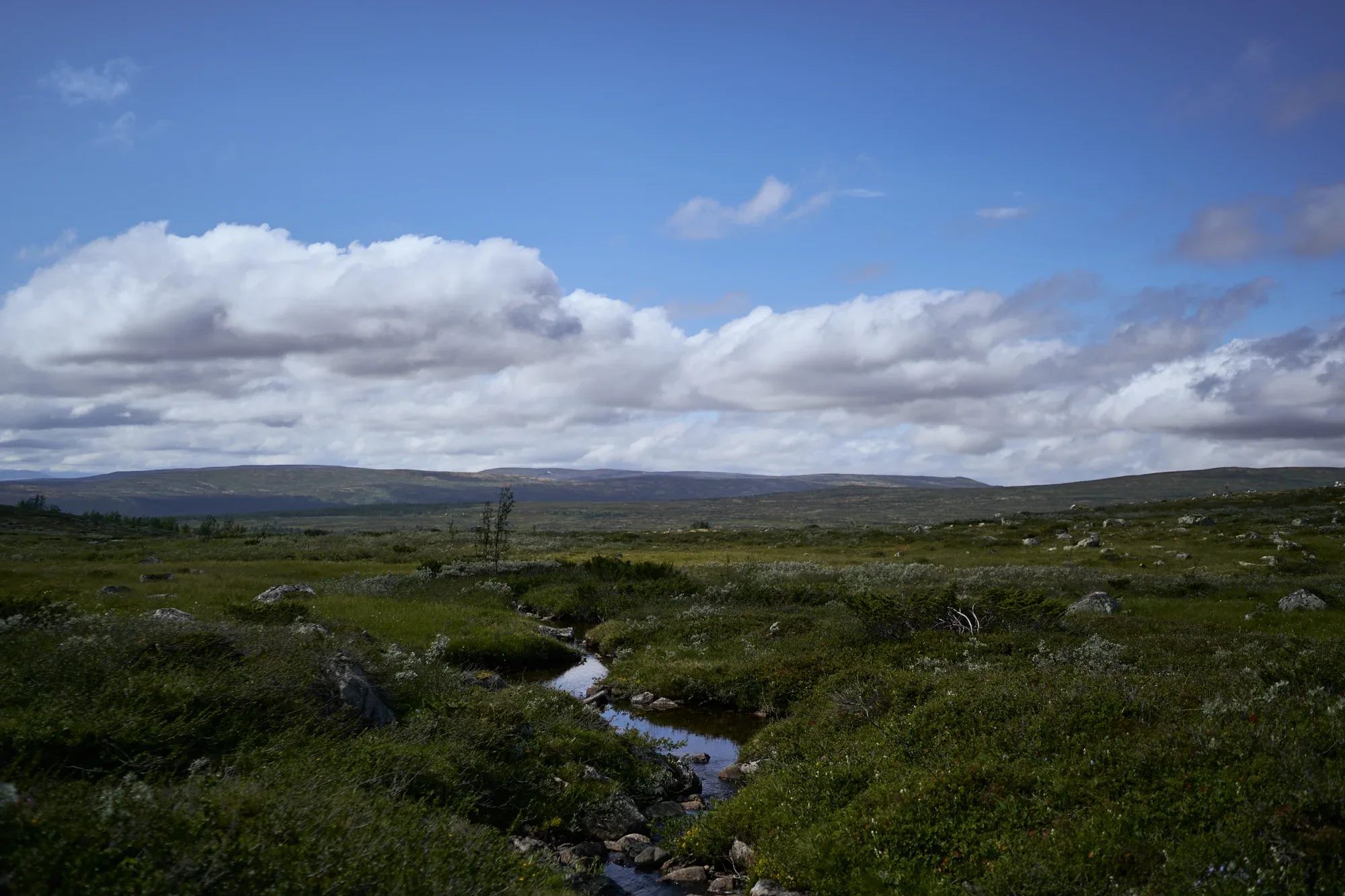
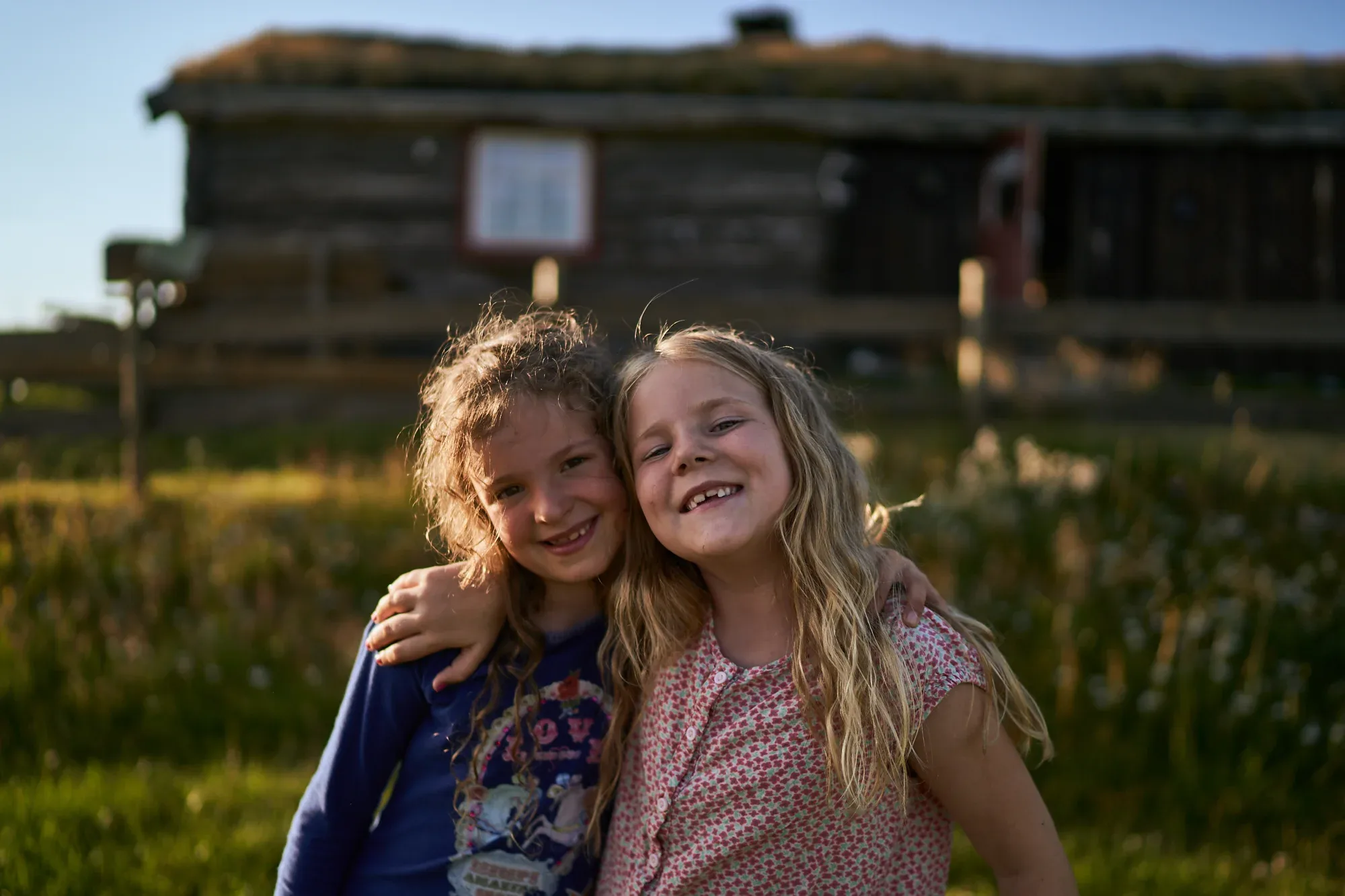
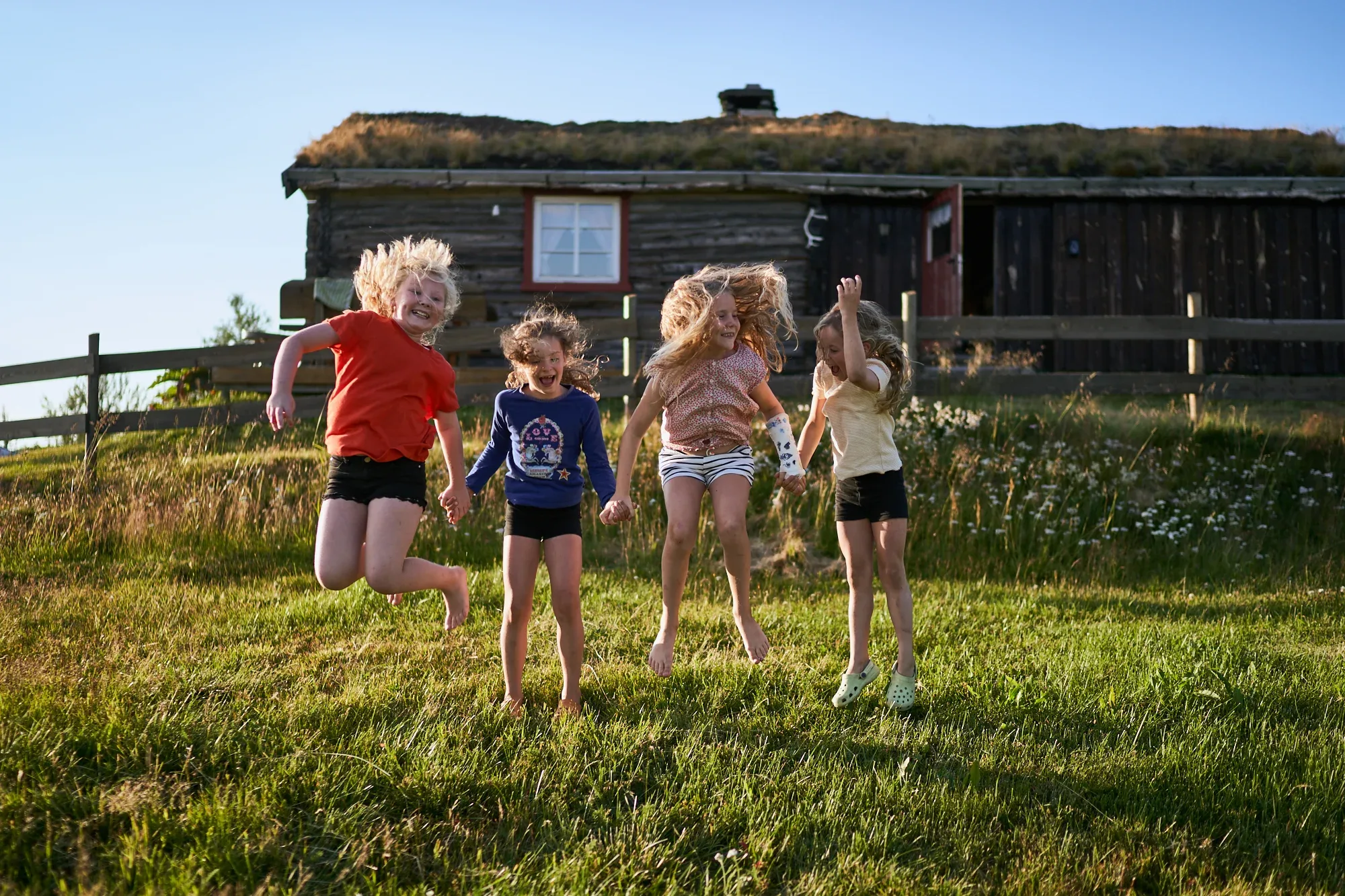
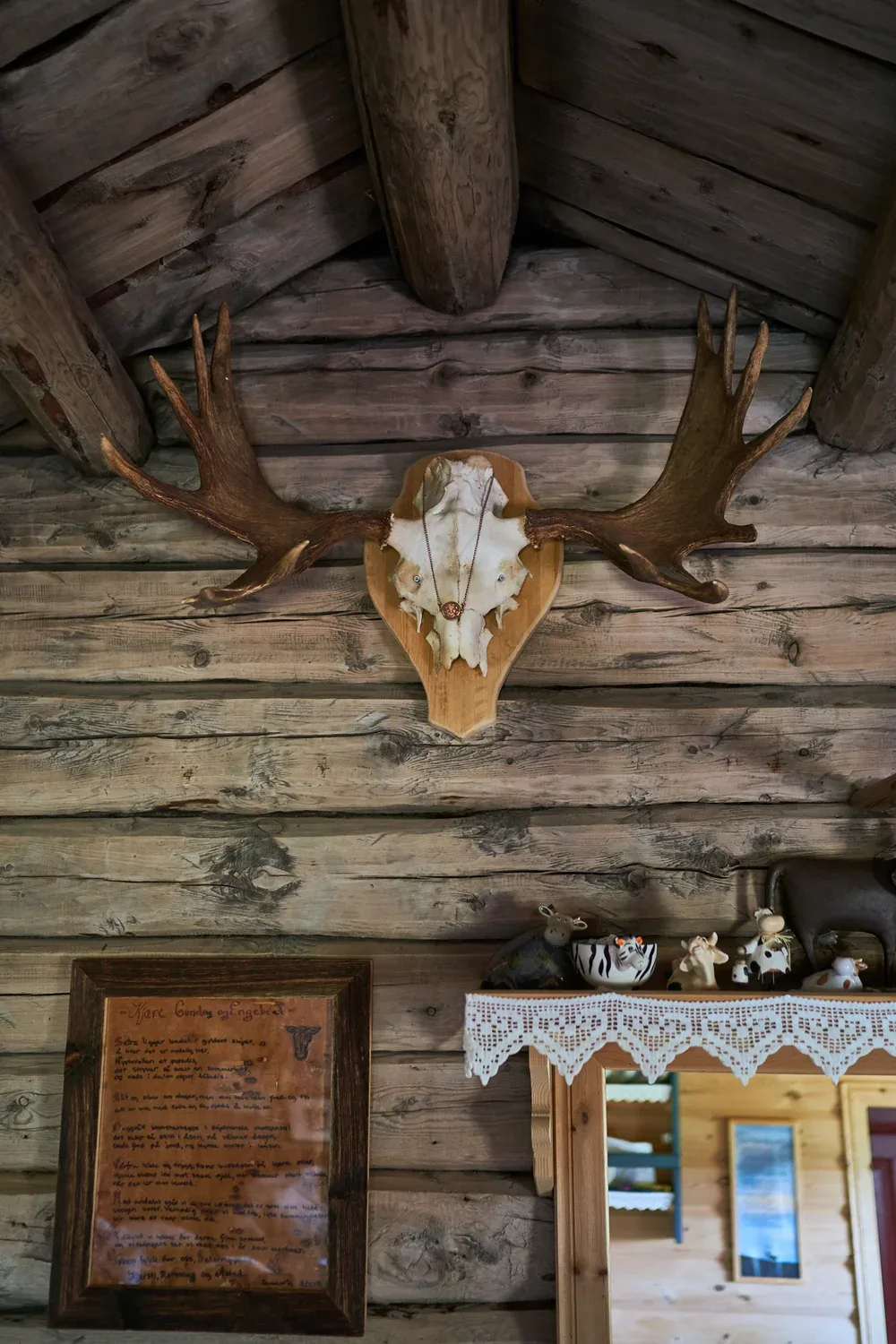
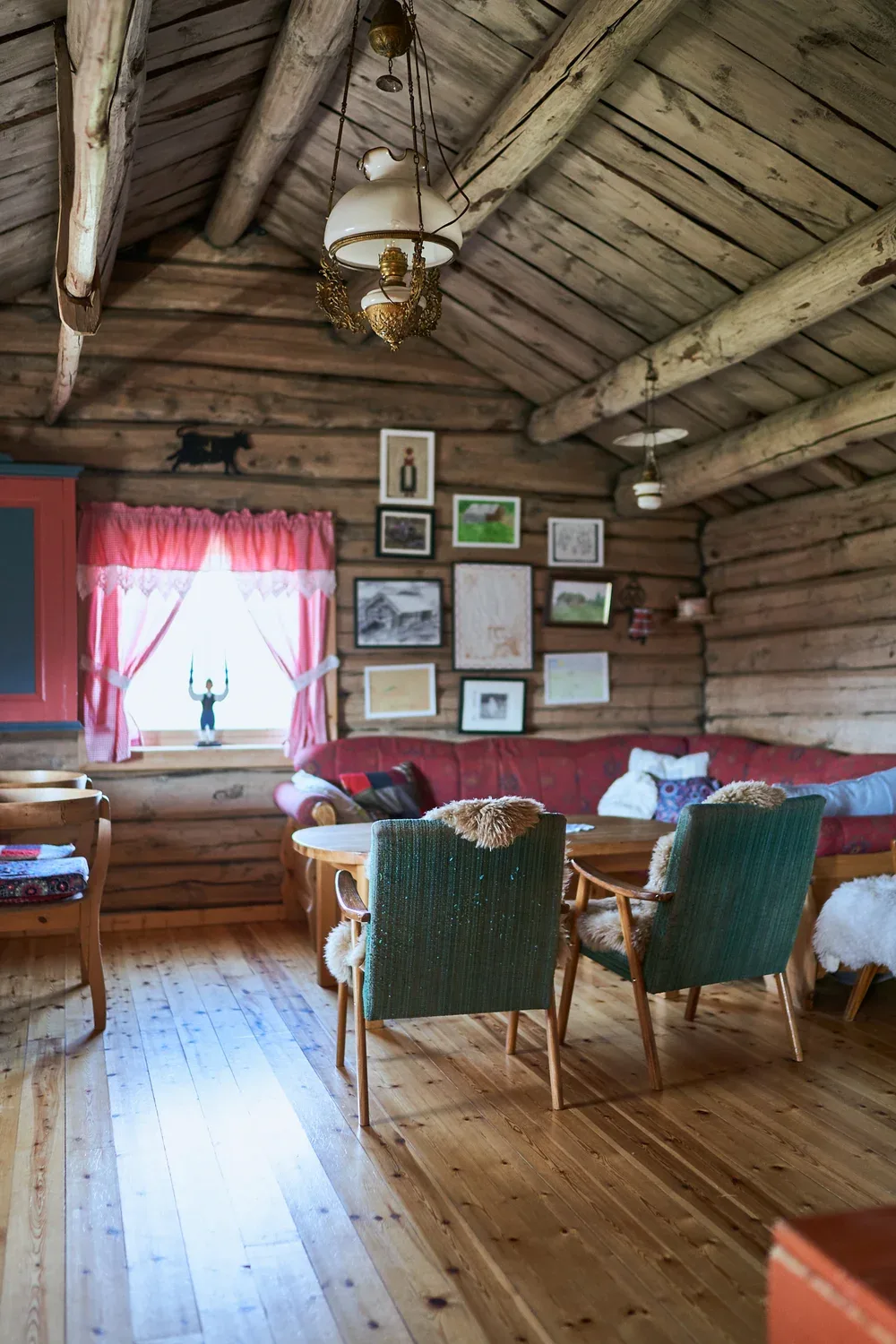
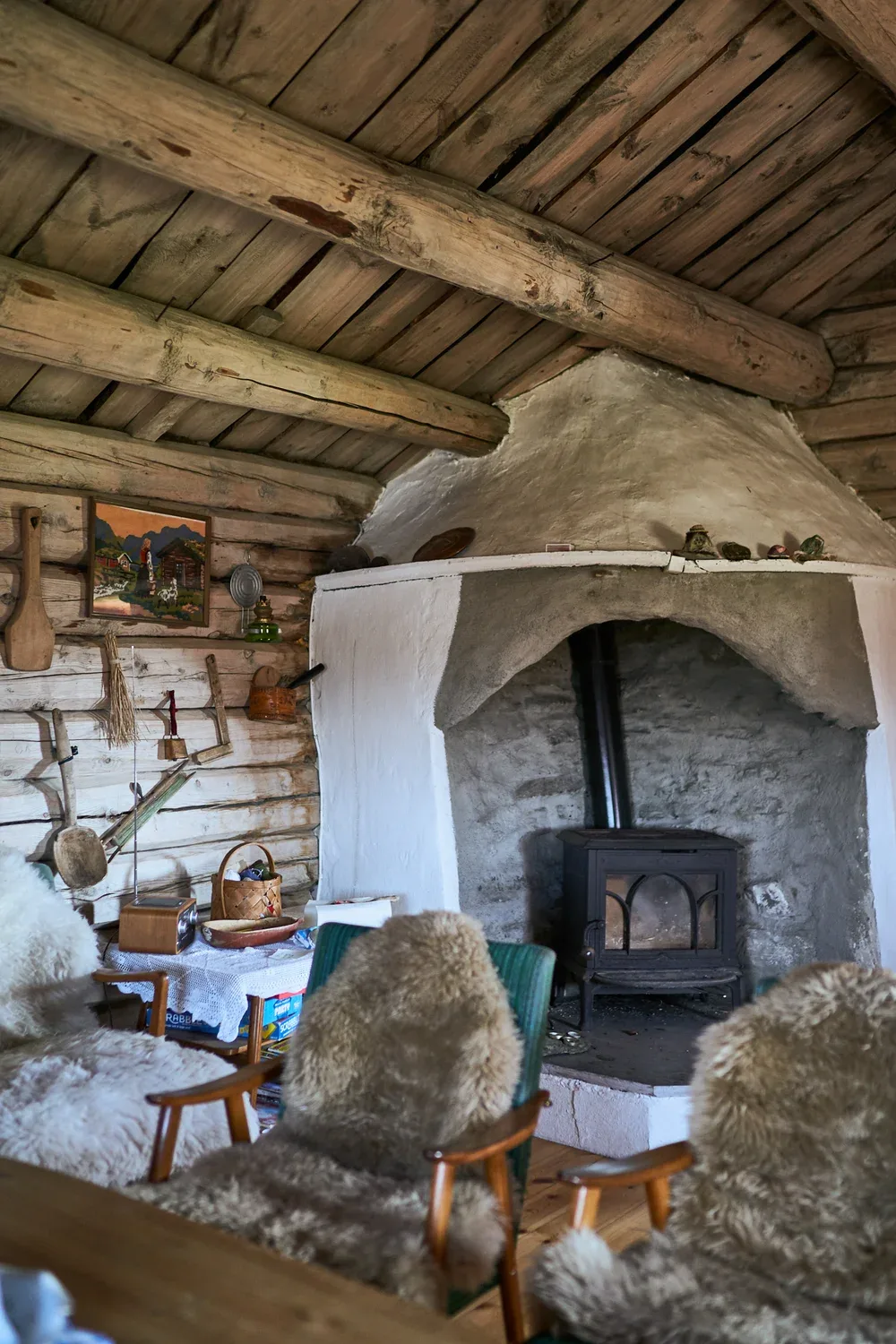
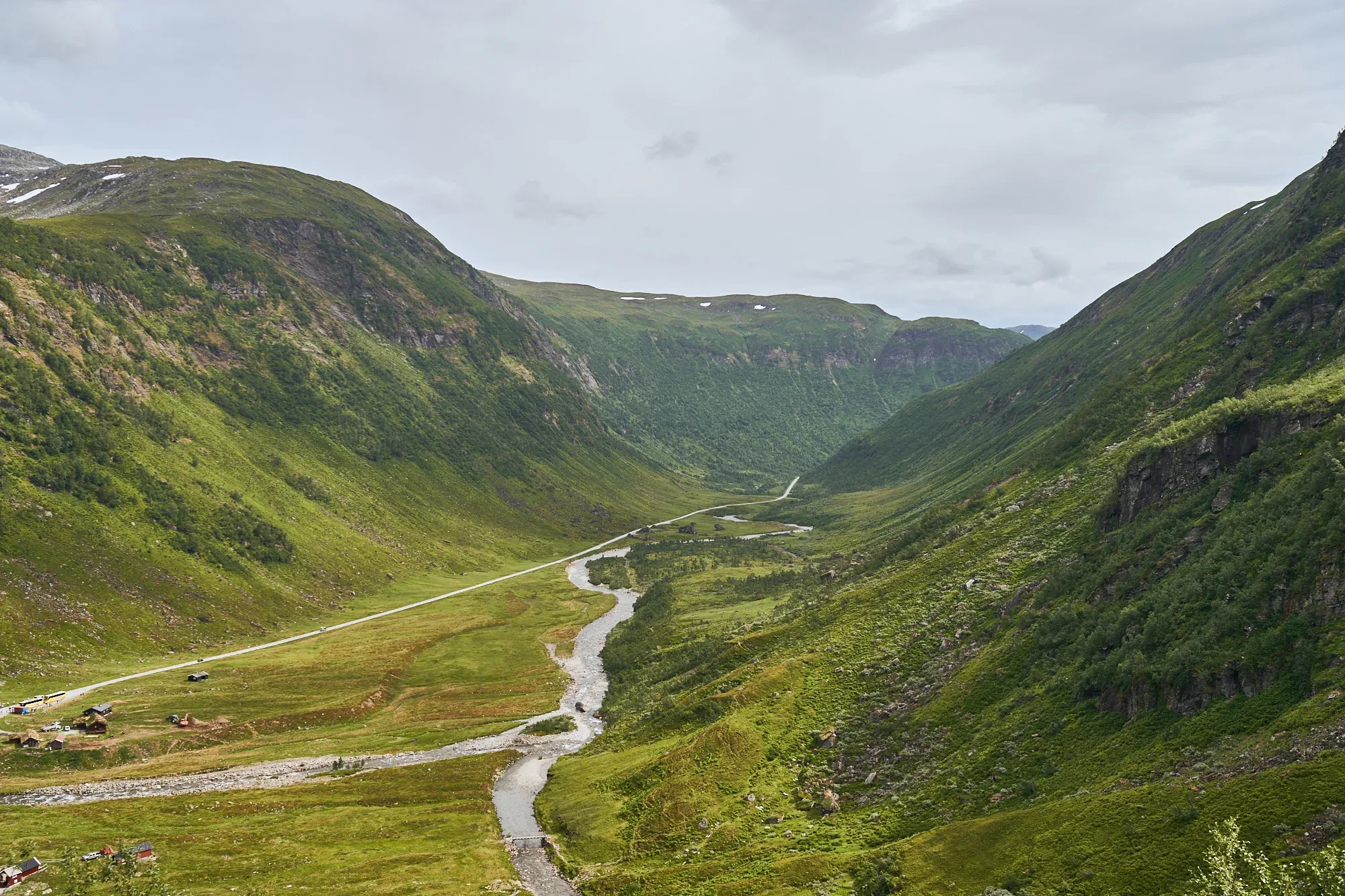
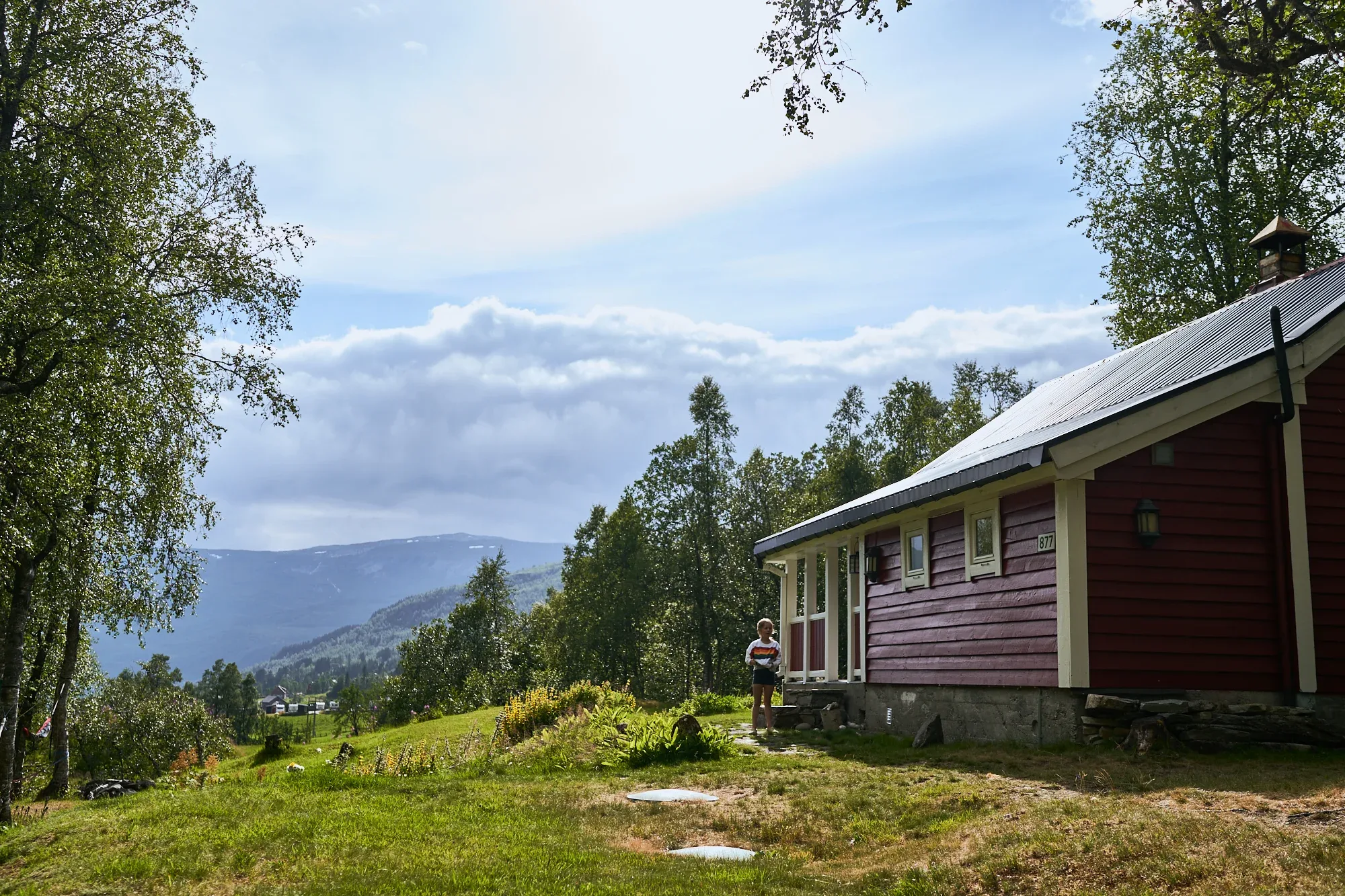
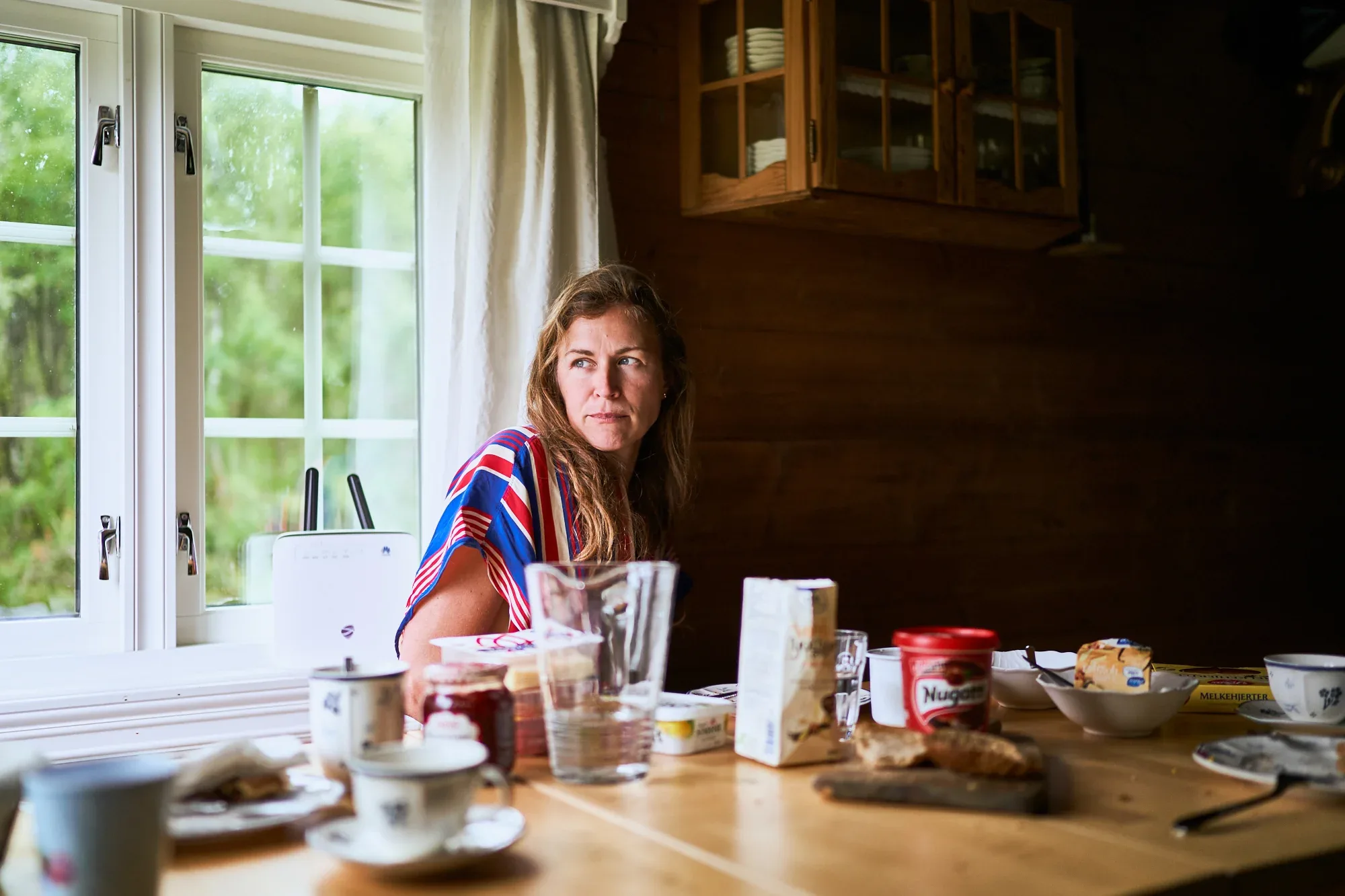
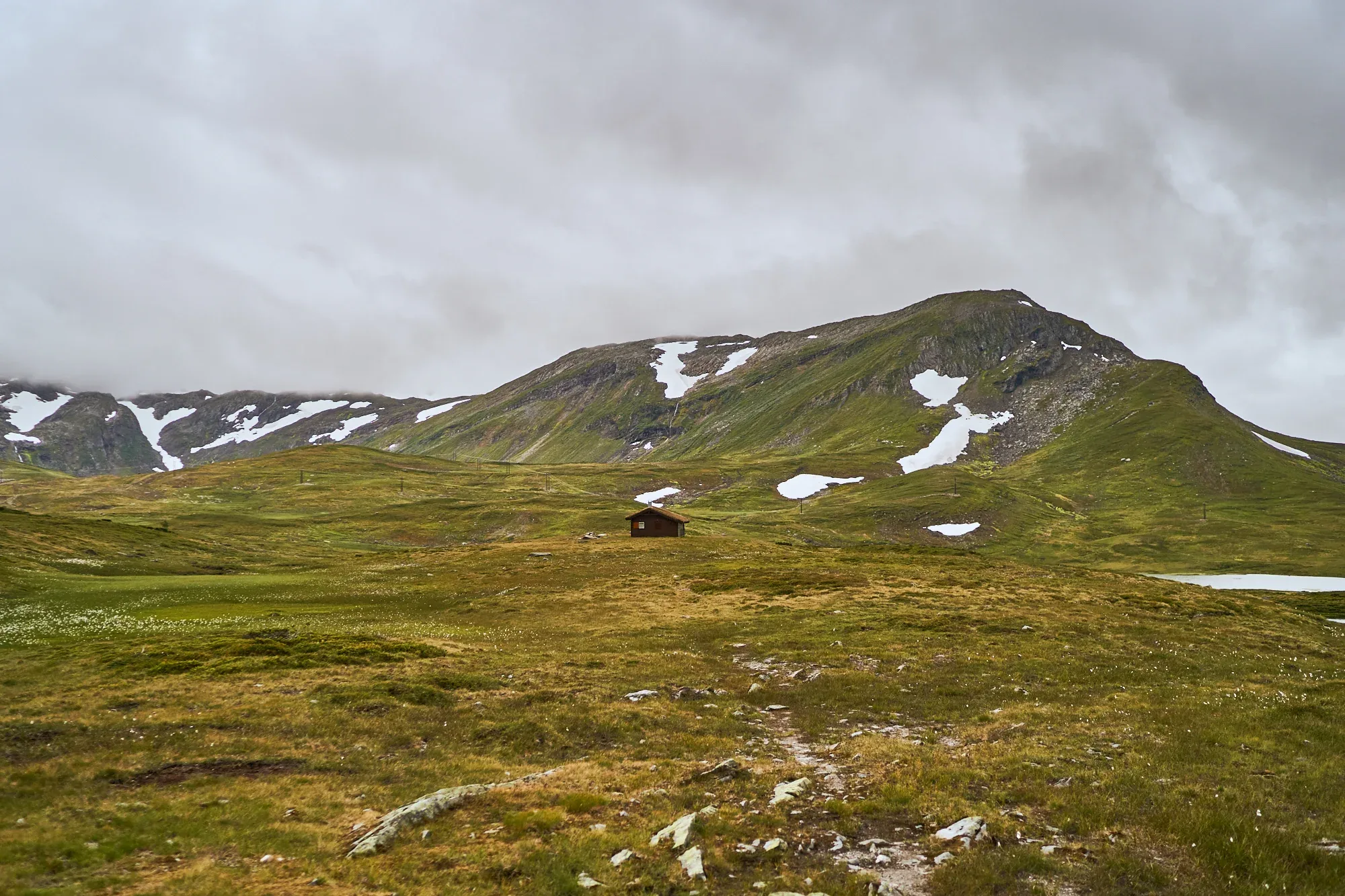
We arrived at a 200-year-old mountain cabin, once used for hunting and herding. Three small houses stood alone in a vast green valley, bells from distant cows echoing through the air. The main lodge was ours: a cozy wooden interior with stove, bed box, old furniture, and spring water flowing outside.
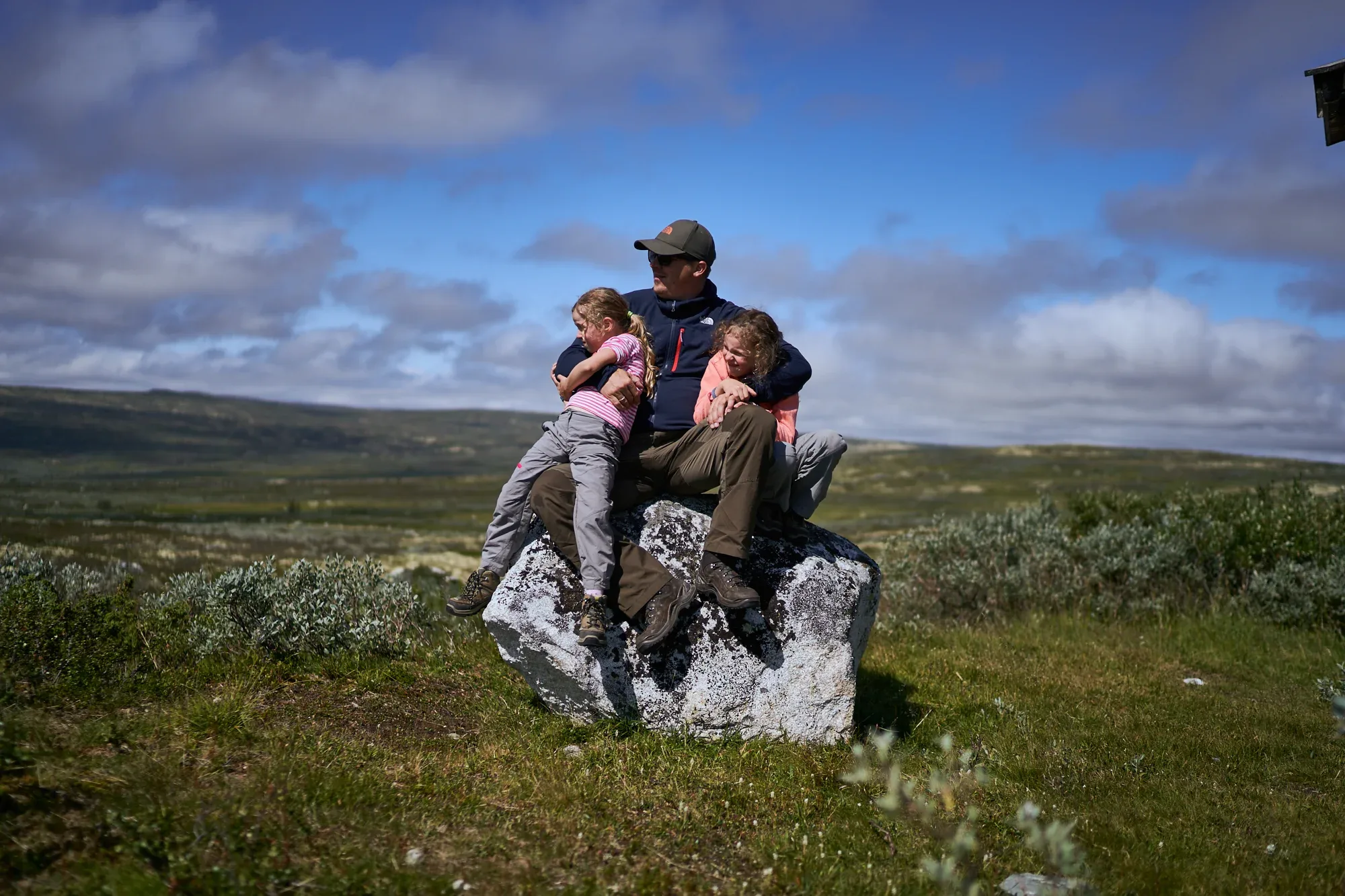
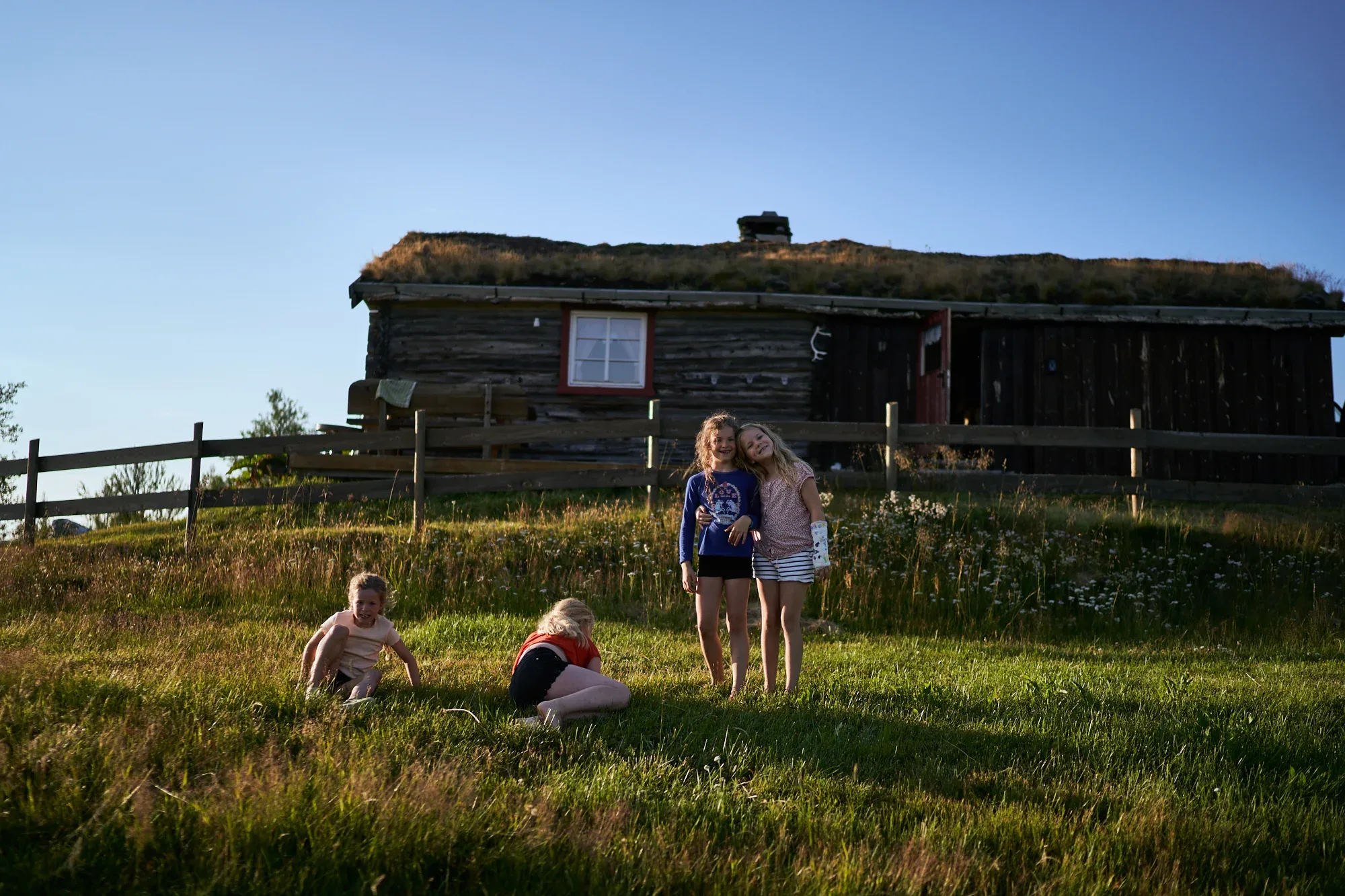
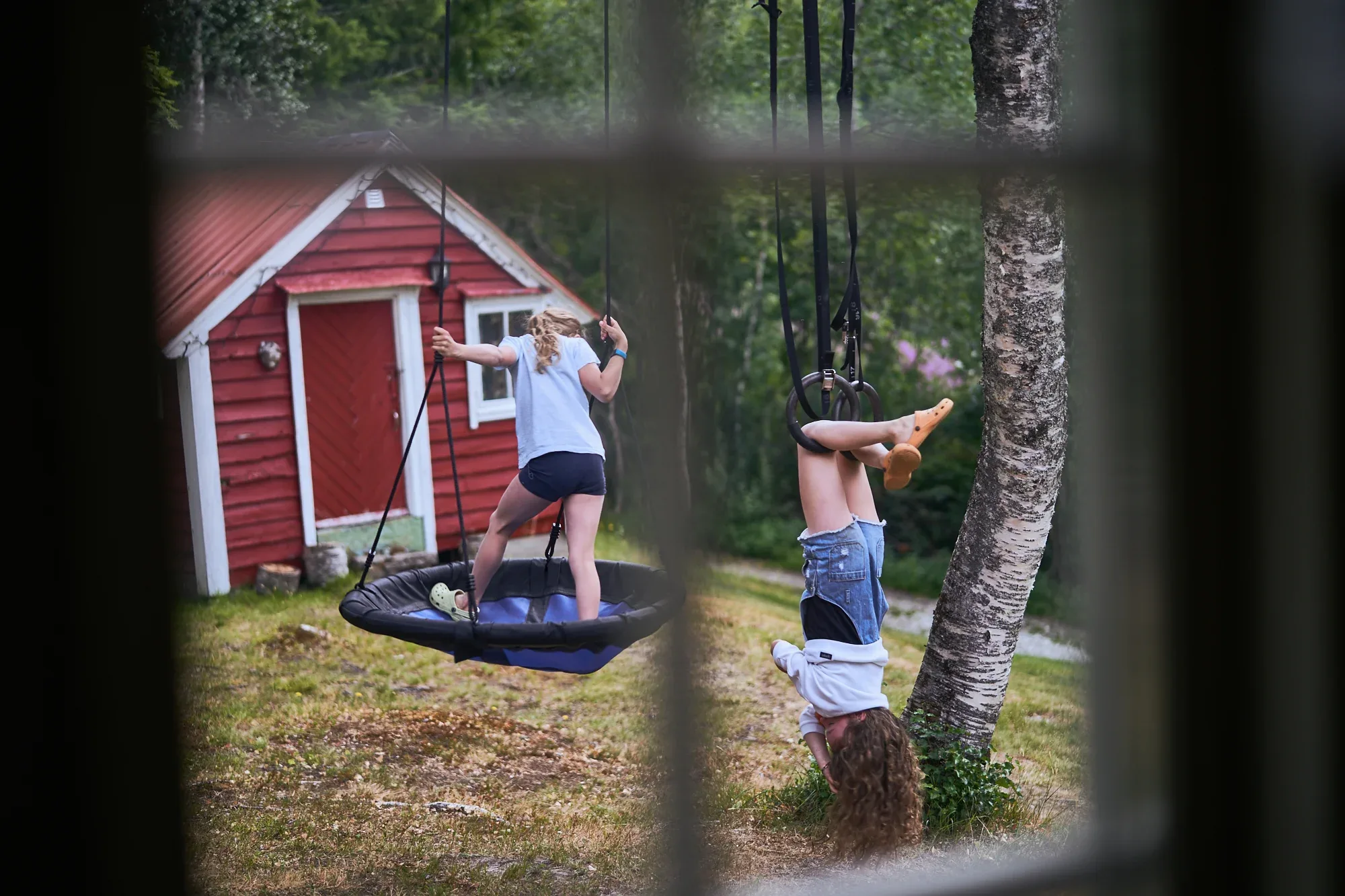
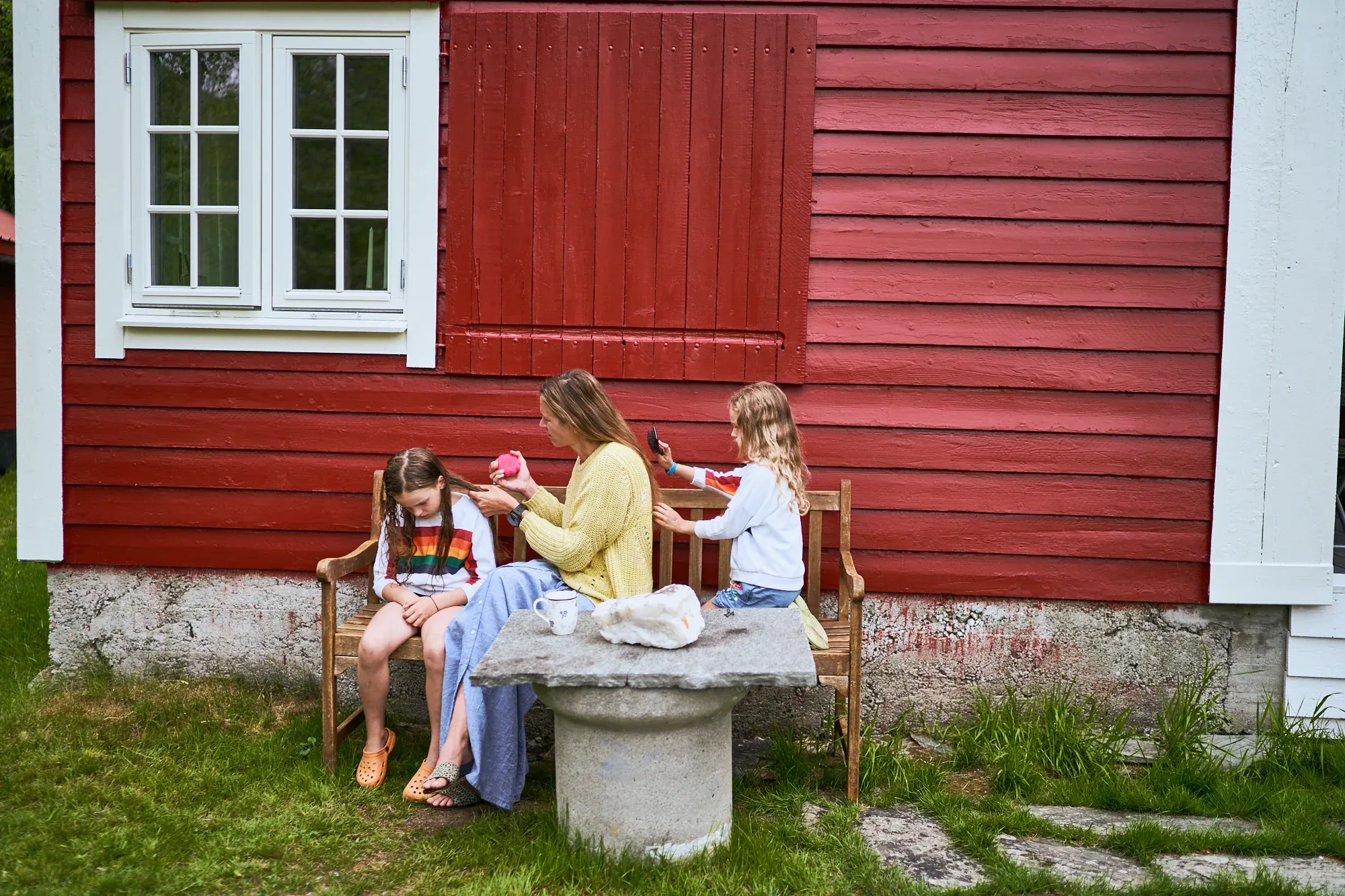
We stayed three nights instead of one. Days filled with hikes through the nearby national park, evenings around the fire, and children playing with the Norwegian family’s kids — no shared language needed. Their laughter said enough.
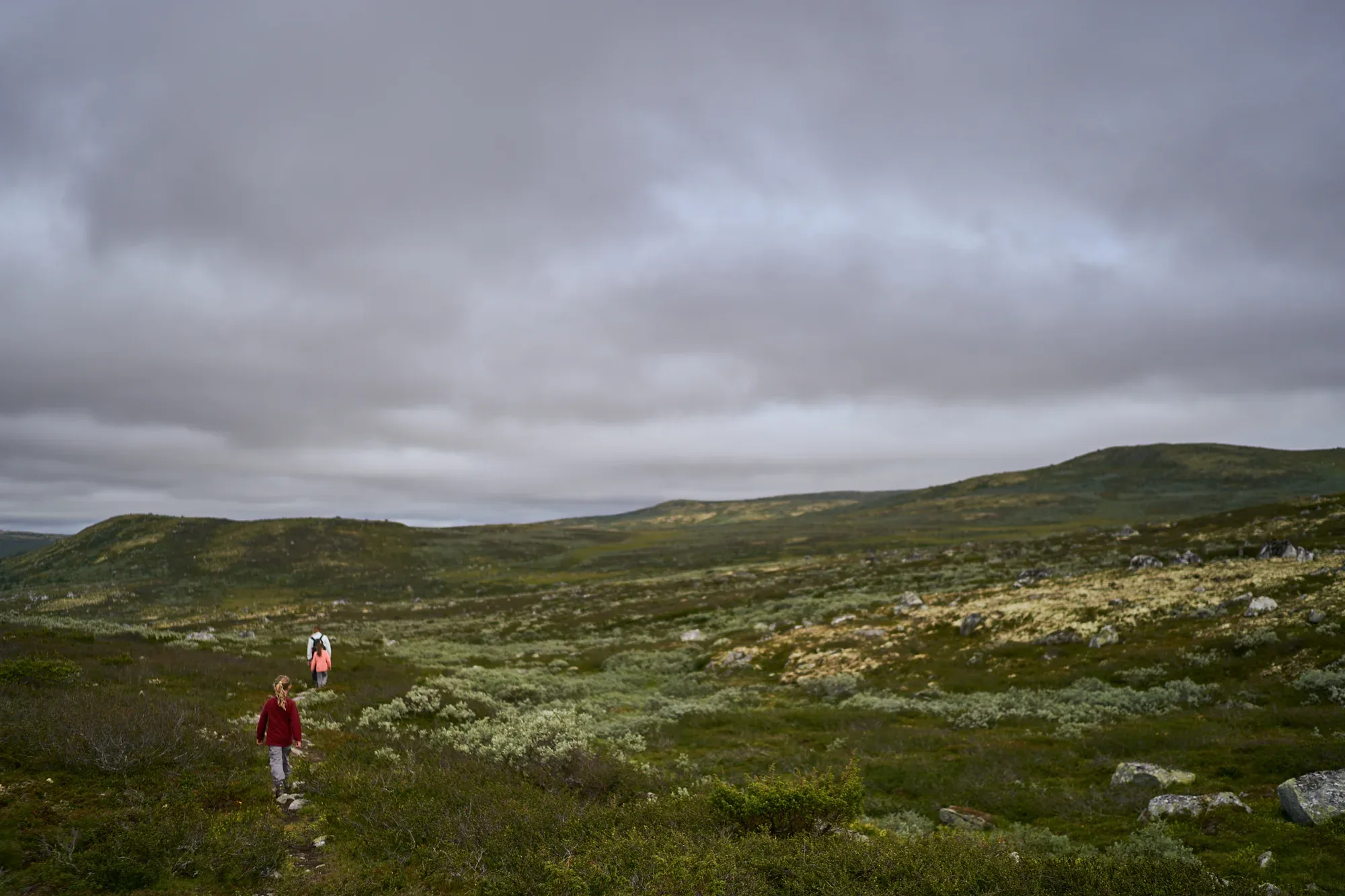
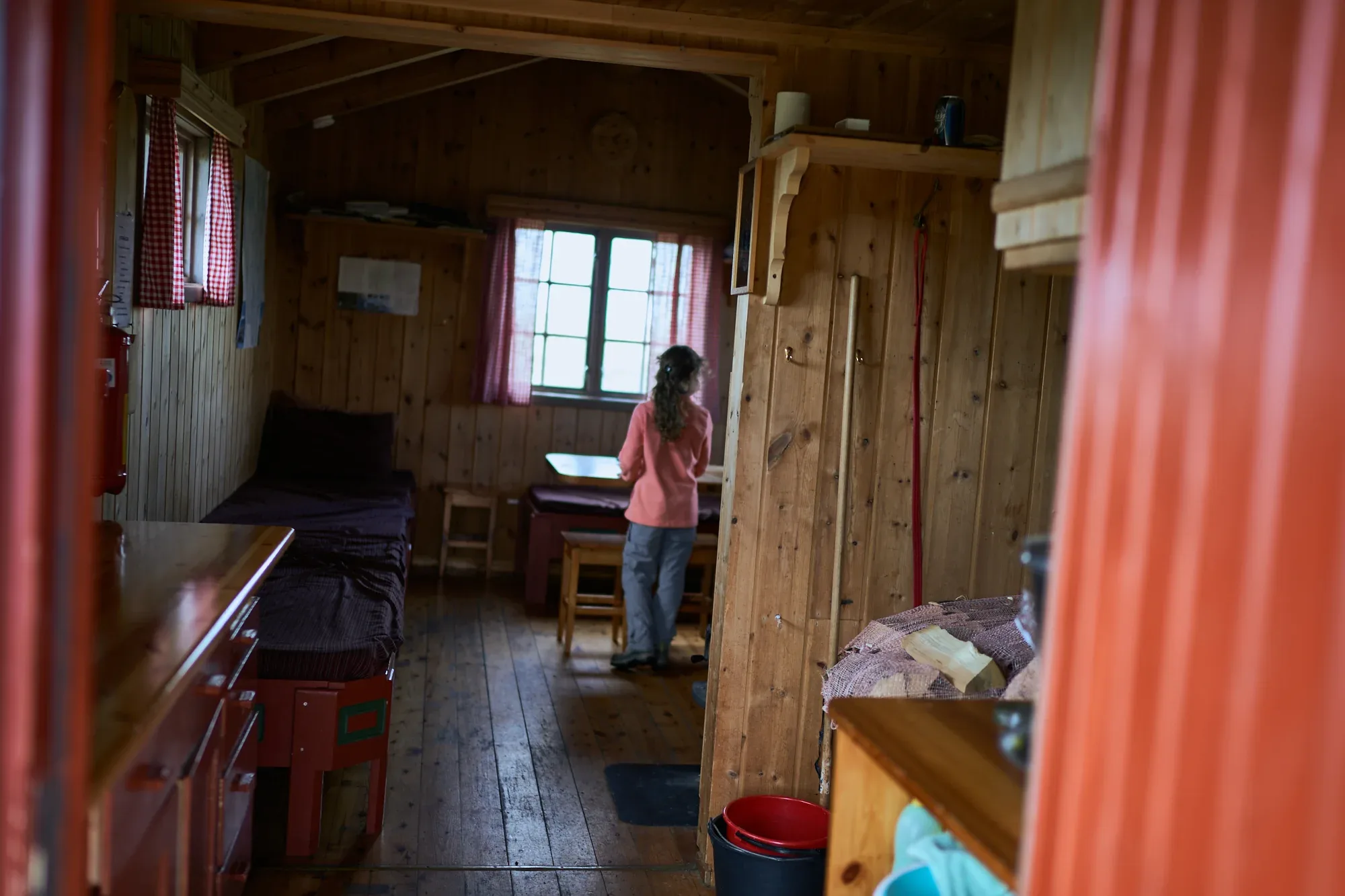
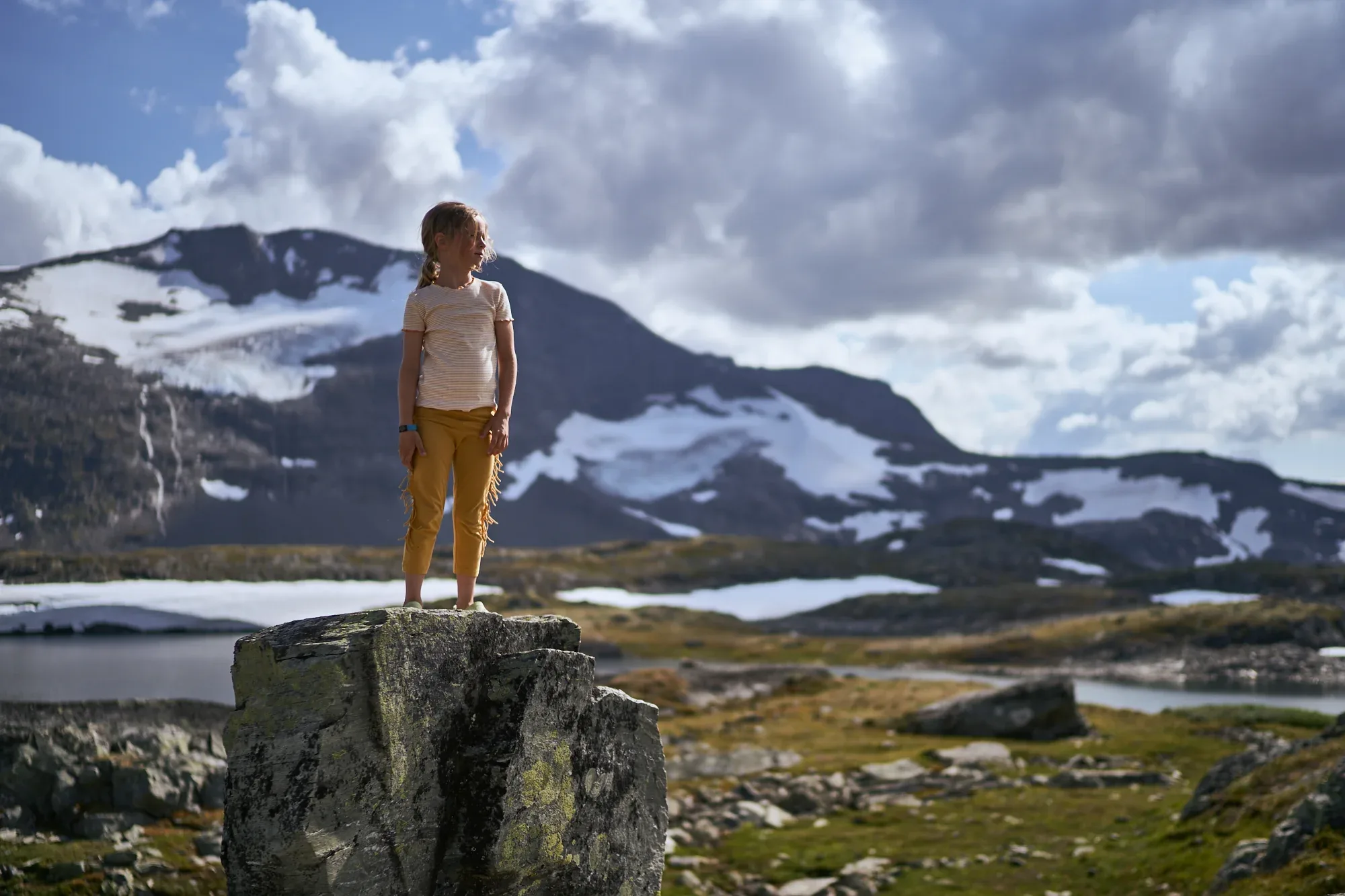
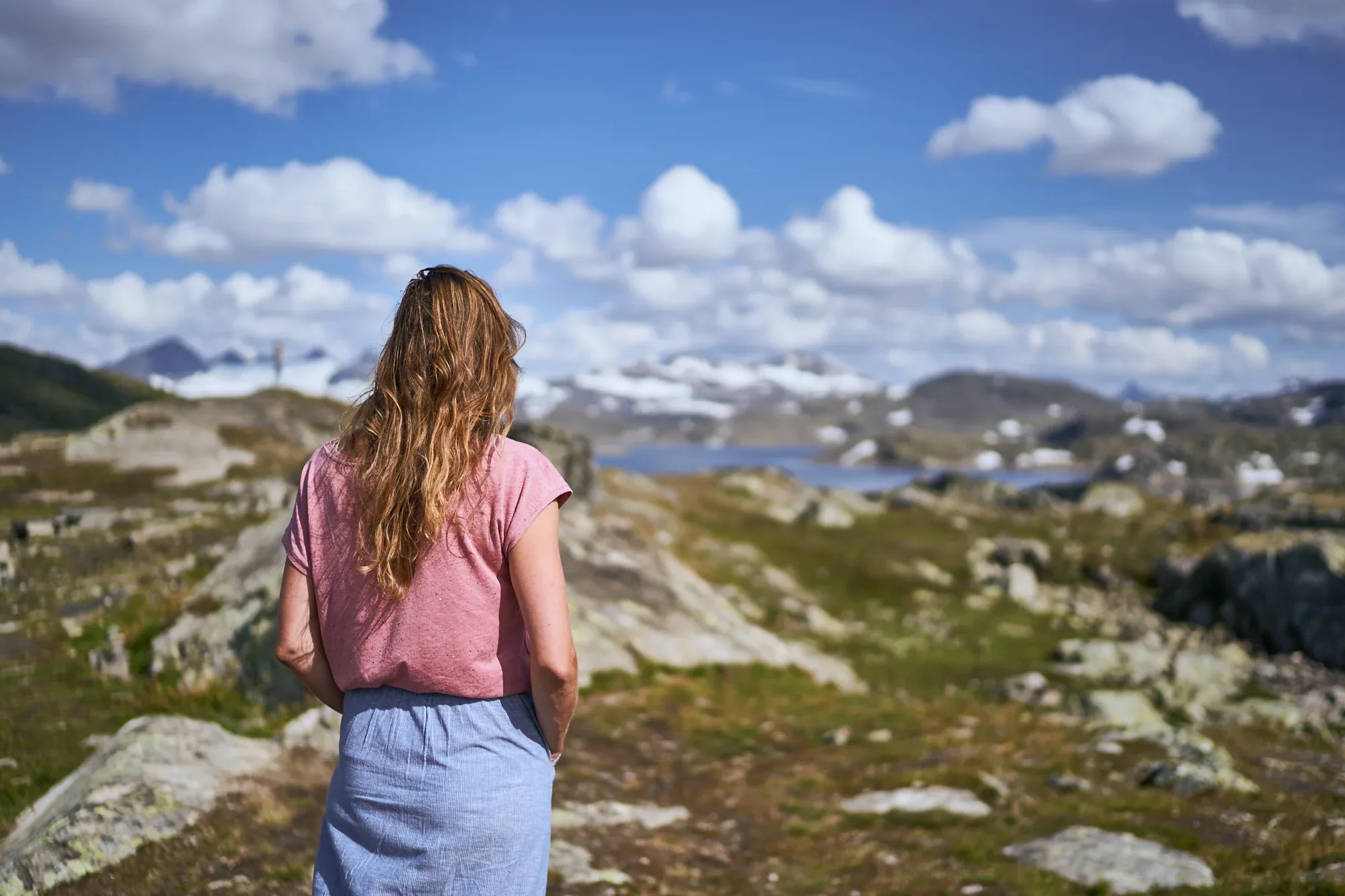
A hike marked Storbekkbua 4 led us to a remote hikers’ hut — open door, guestbook, a jar for donations, and stacked firewood. Trust like that moves you. On the way back, the mountains looked completely different — a reminder that perspective changes everything.
Leaving Vingelen felt bittersweet. We promised ourselves we’d return one day.
Through the fjords
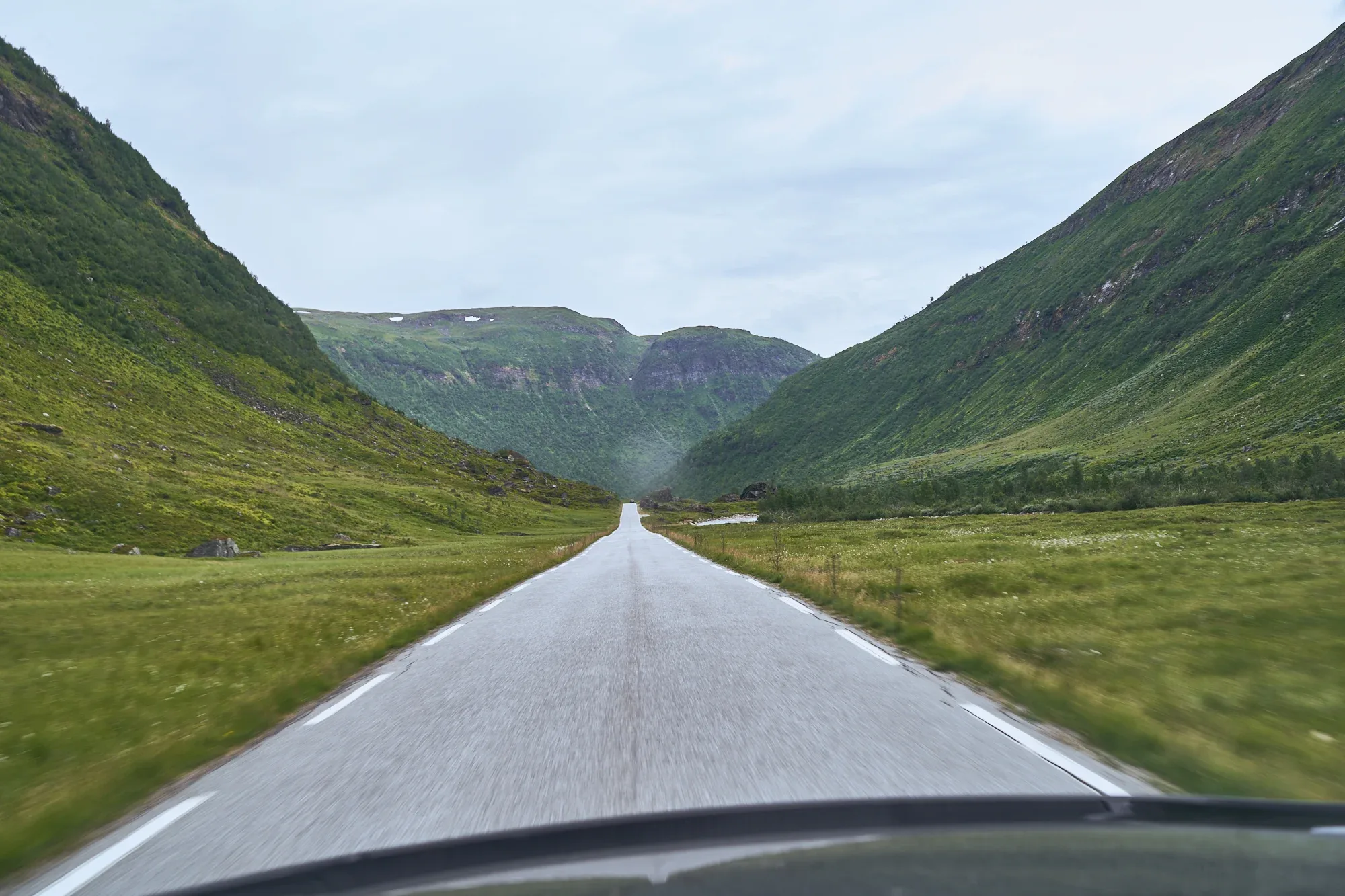
The road from Vingelen to Myrkdalen was spectacular.
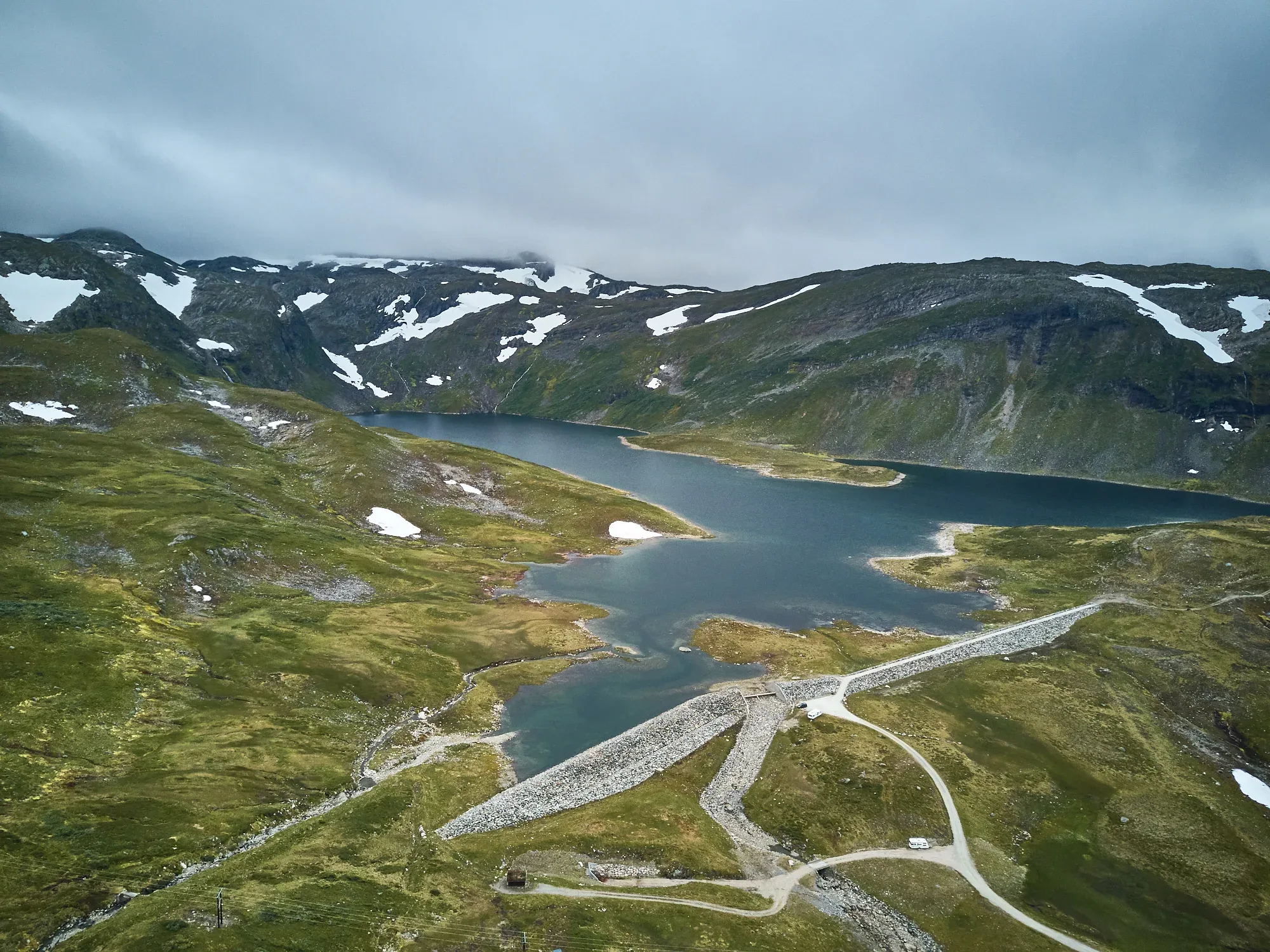
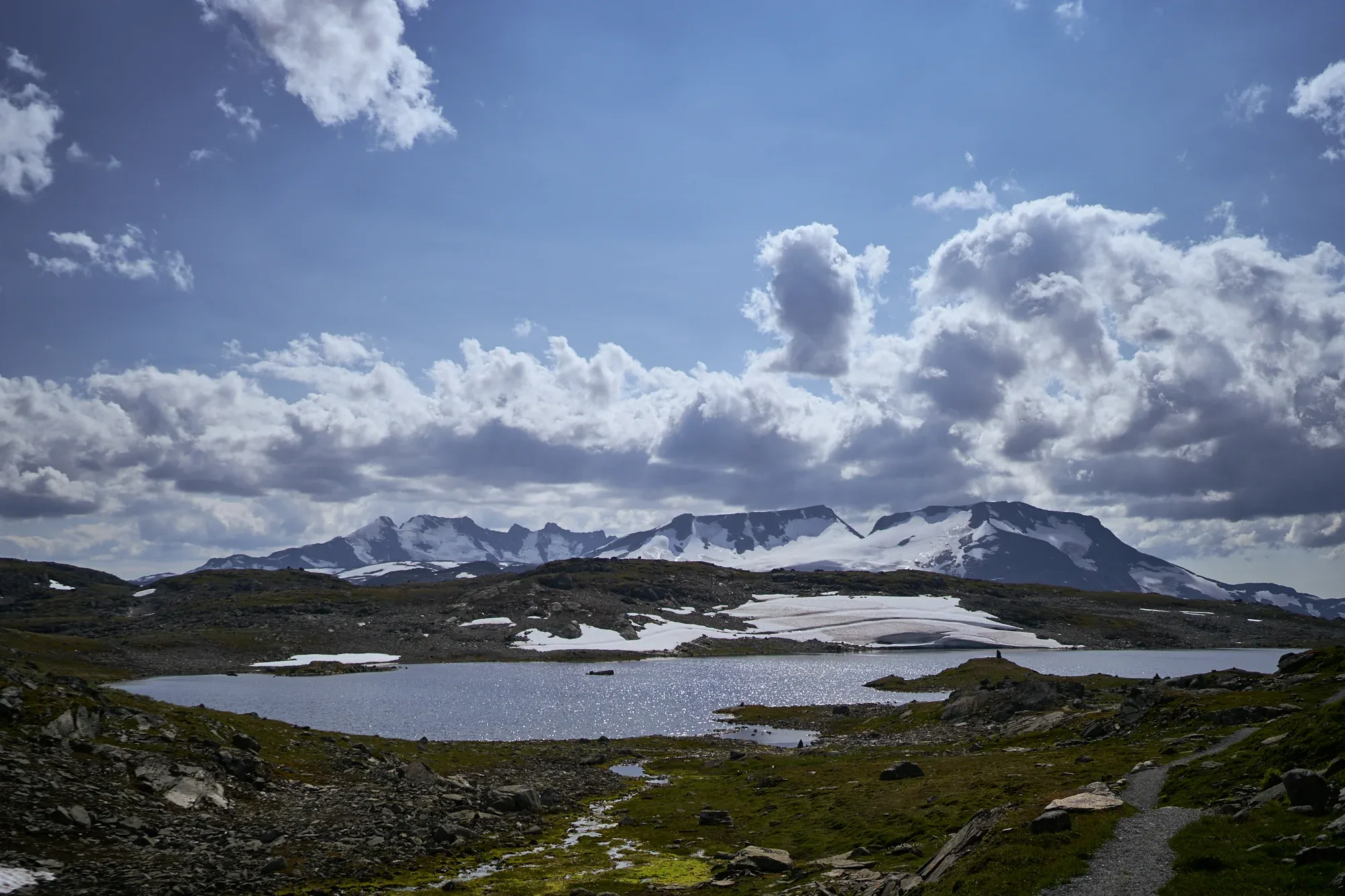
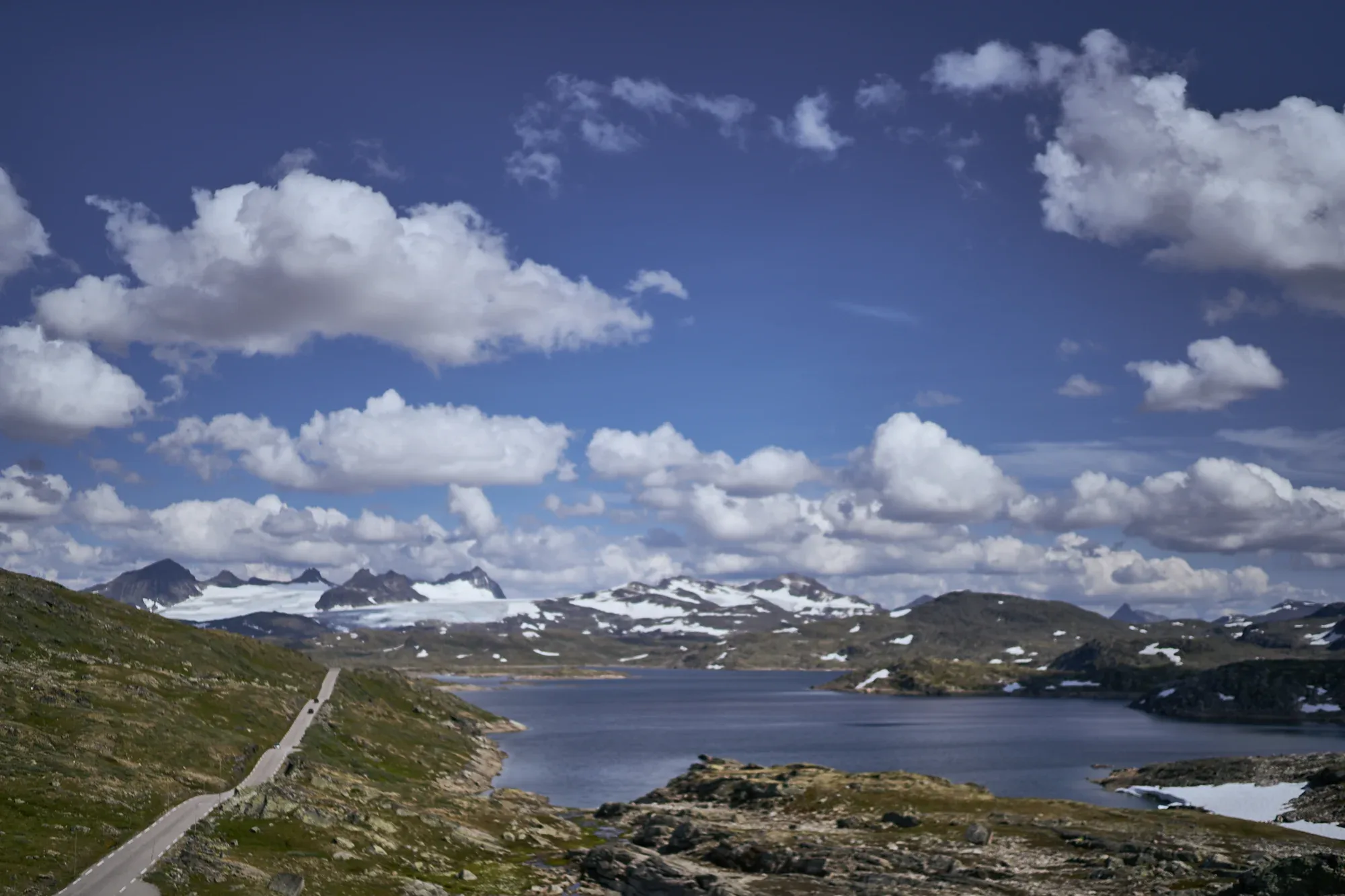
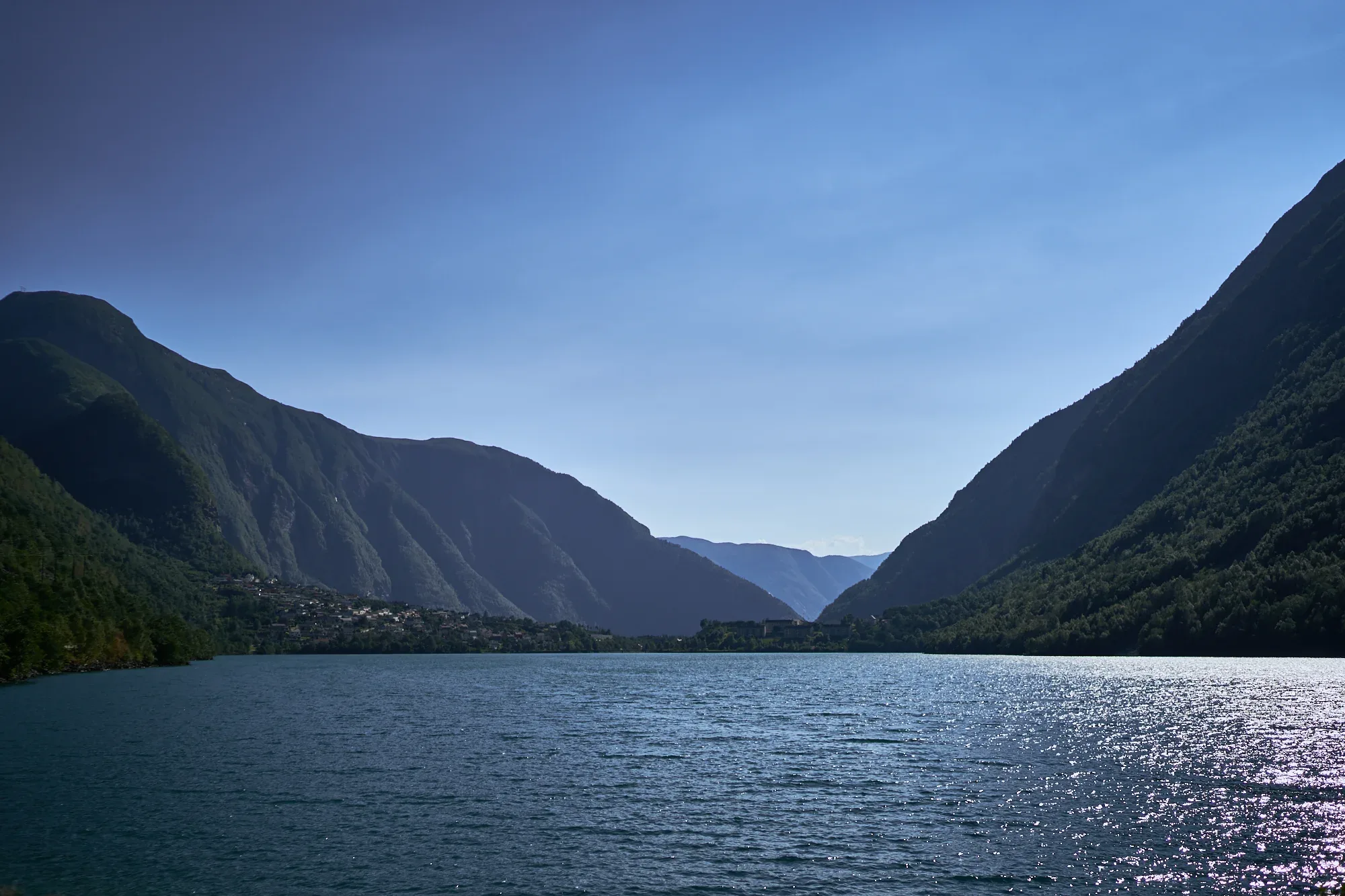
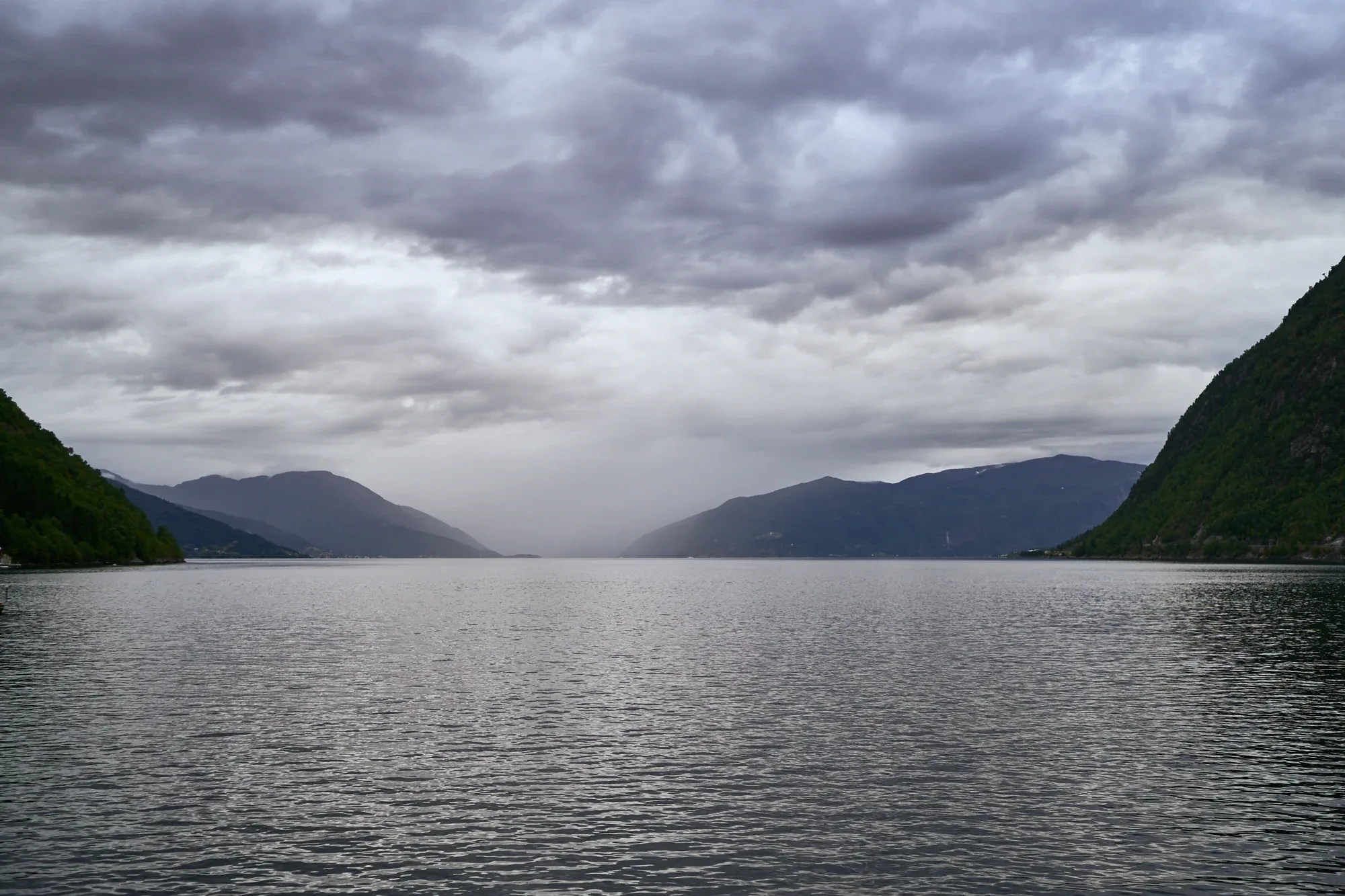
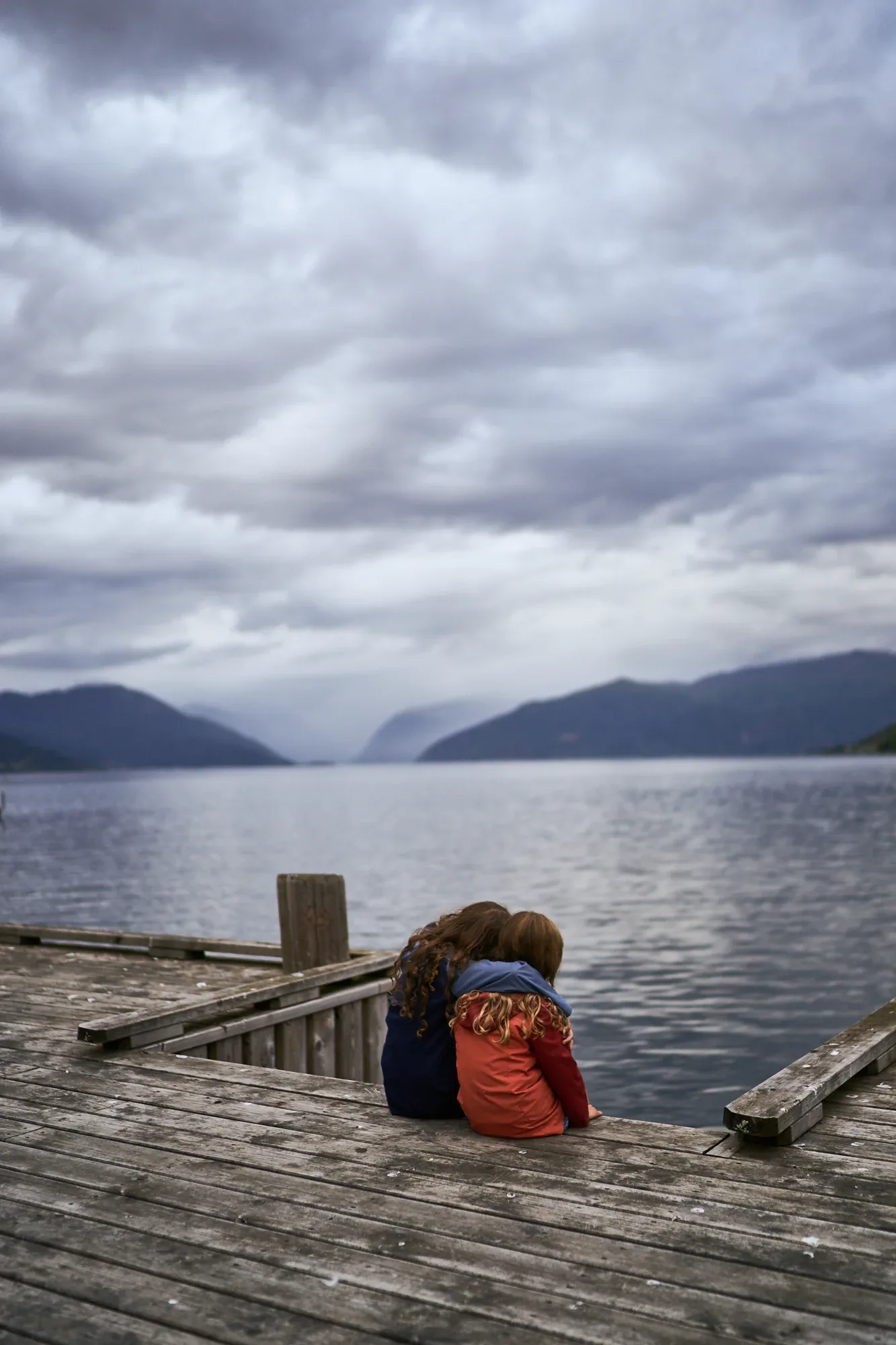
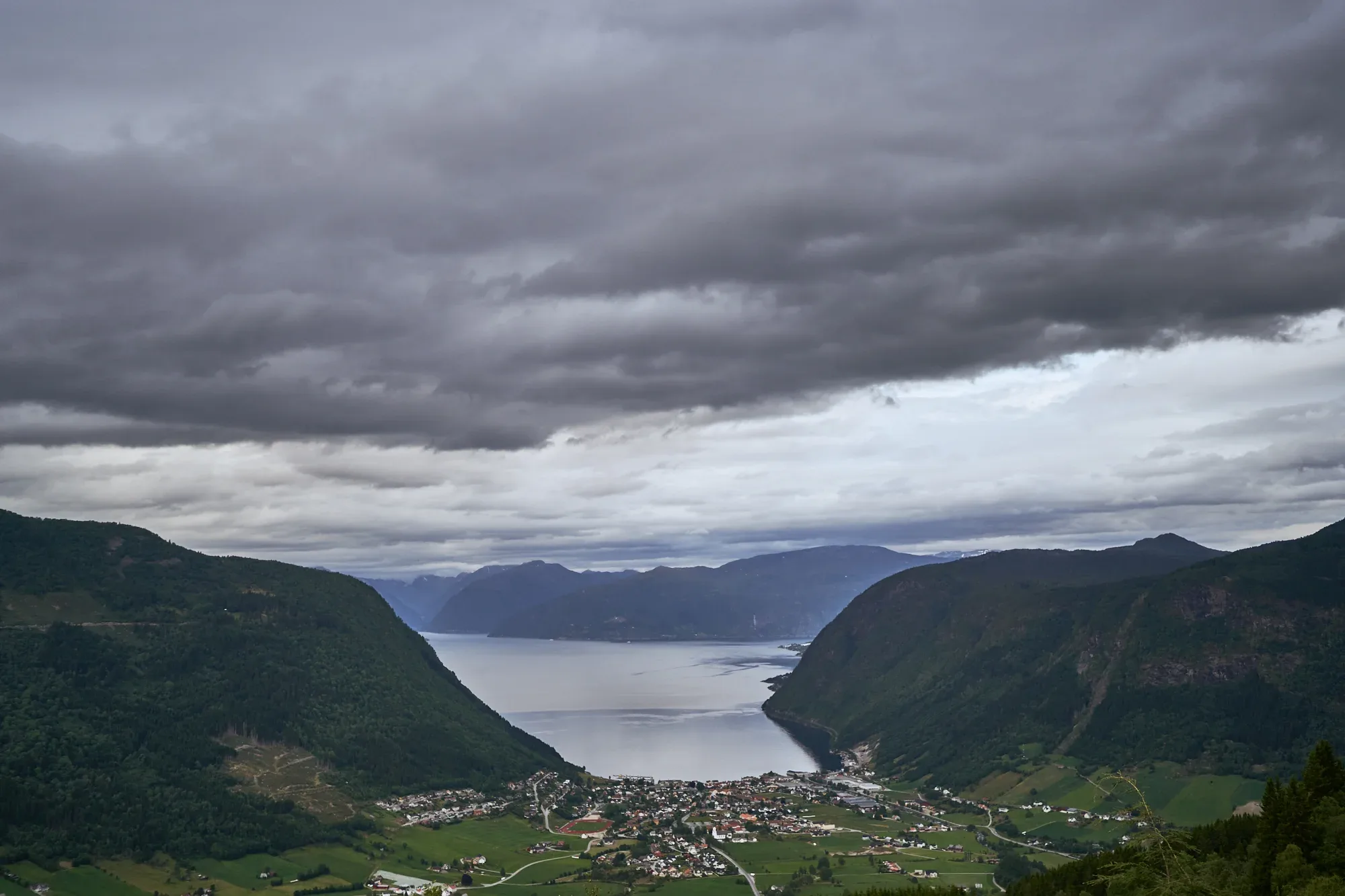
After endless green slopes came steep cliffs, snow-covered peaks, and hairpin bends. The highlight: Sognefjellet, Europe’s highest mountain pass, followed by the 25-kilometer Laerdal Tunnel, the longest in the world. Smoke rose from overheated car brakes at the bottom — ours included — but the reward was breathtaking: the first fjord, calm and immense, mountains dropping straight into the sea.
Myrkdalen — The final chapter
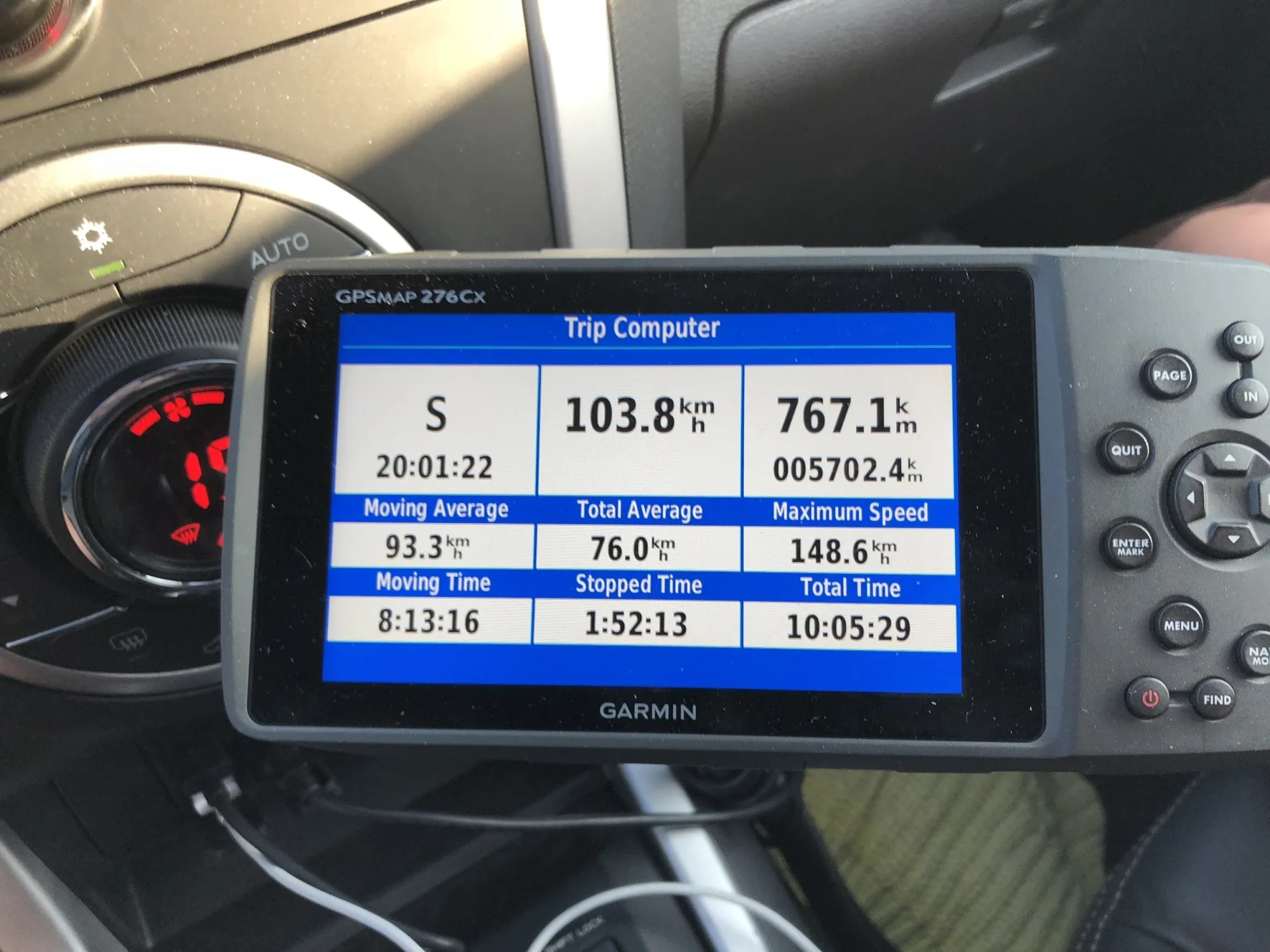
After 3,500 kilometers and three weeks of camping, we reached Myrkdalen, a quiet valley between two fjords. Our wooden lodge, tucked among birches, looked out over a wall of mountains. Finally: showers, beds, warm water, and a kitchen. And mirrors — slightly shocking after weeks of wild living.
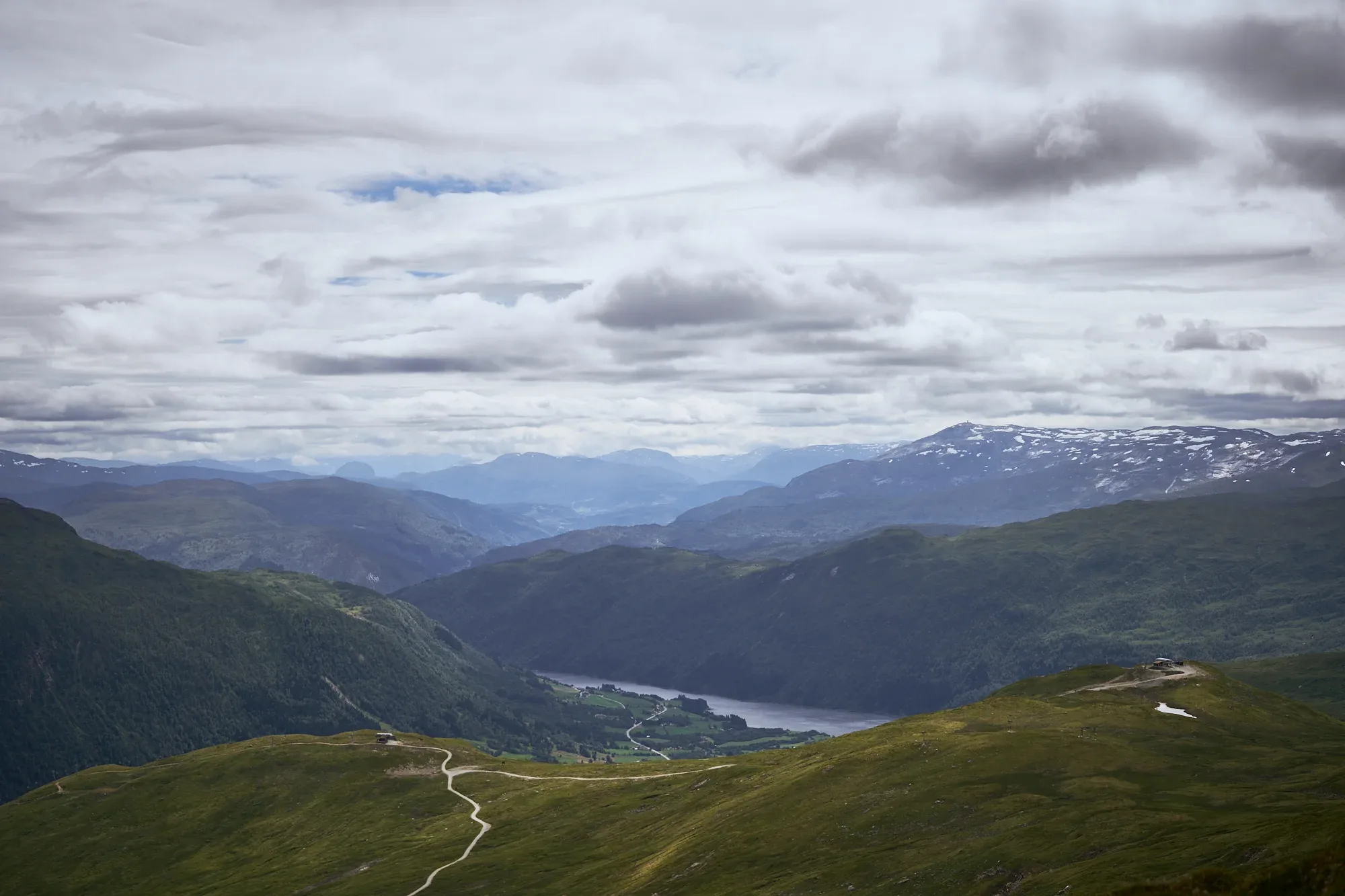
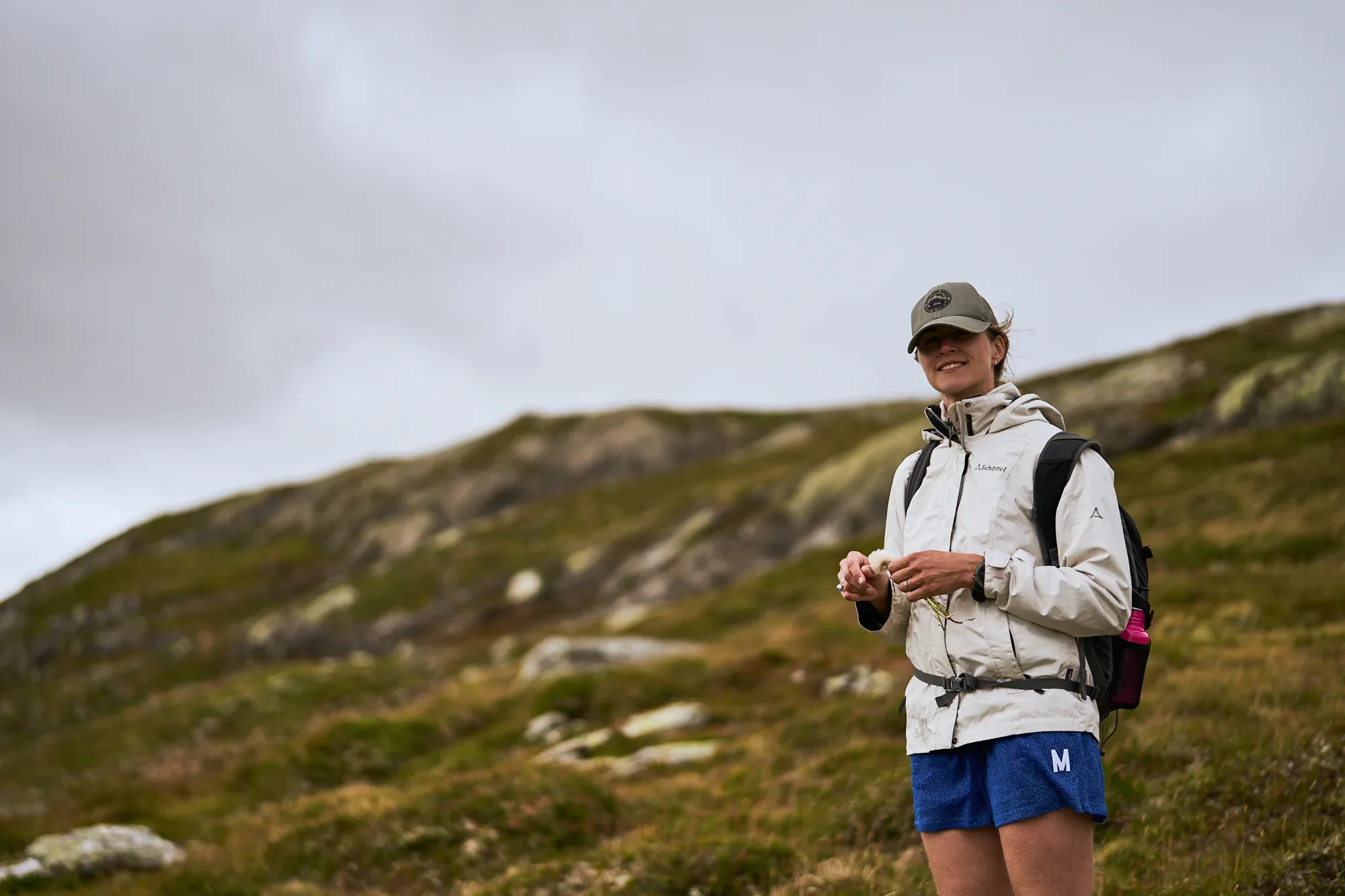
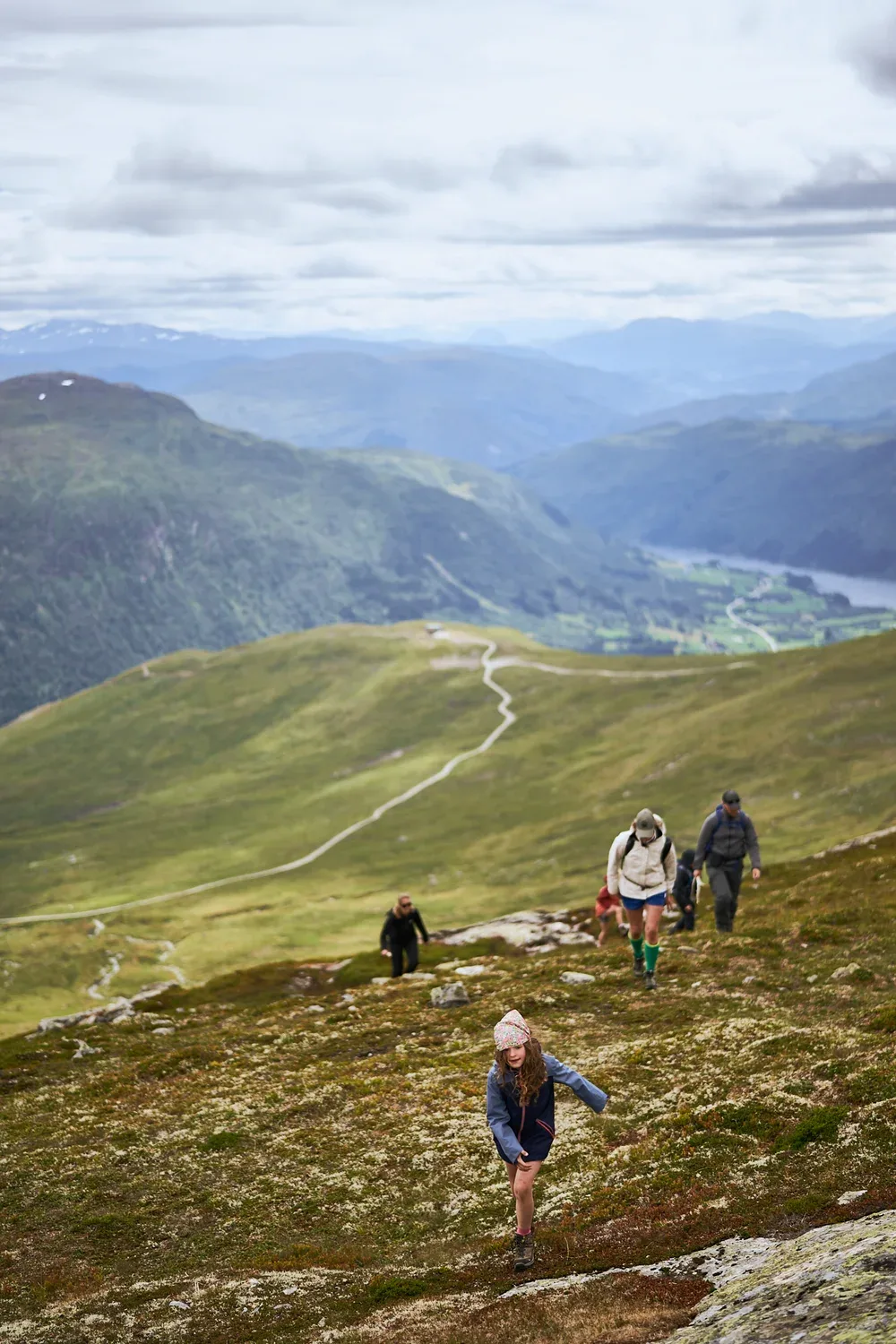
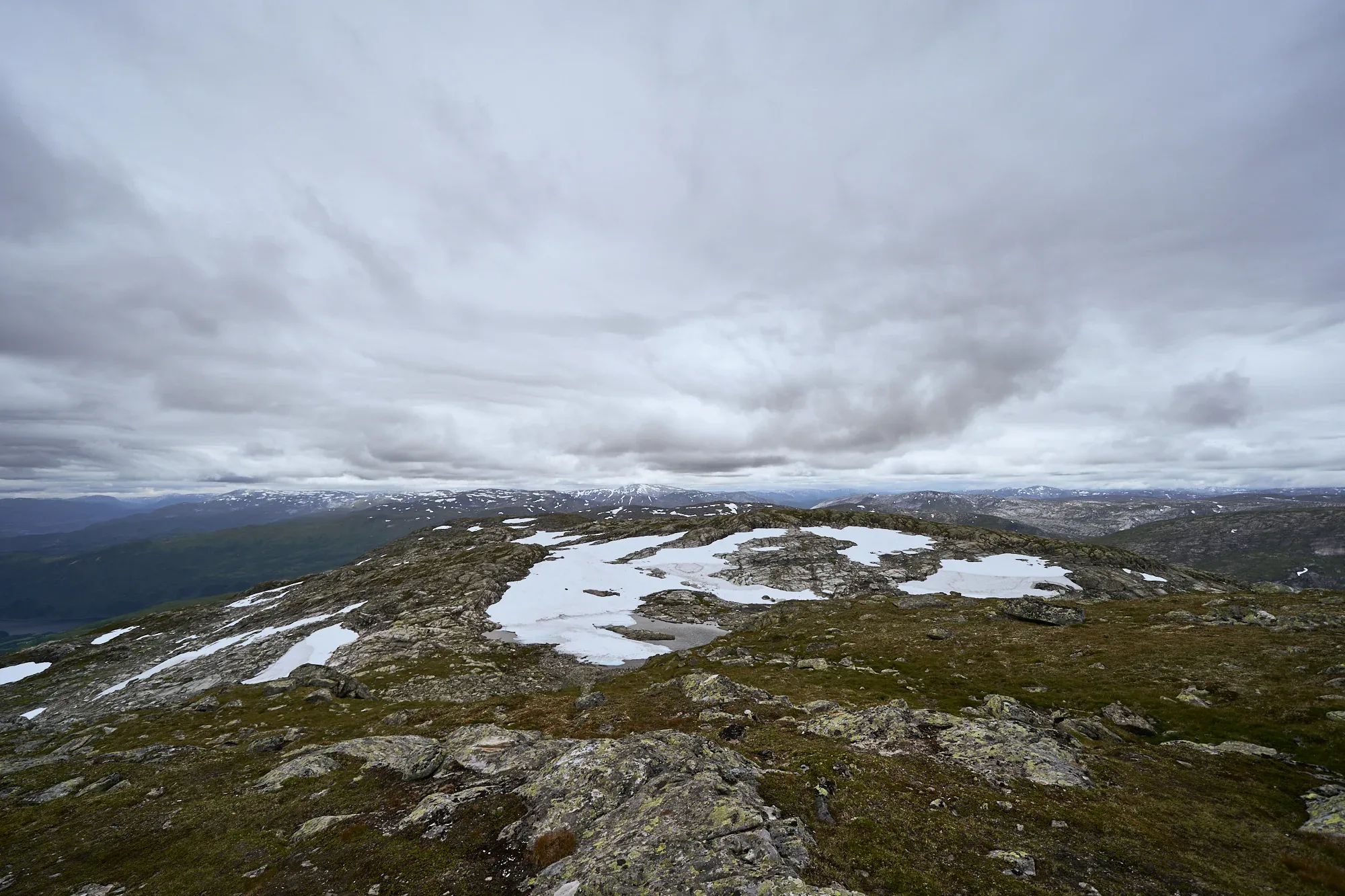
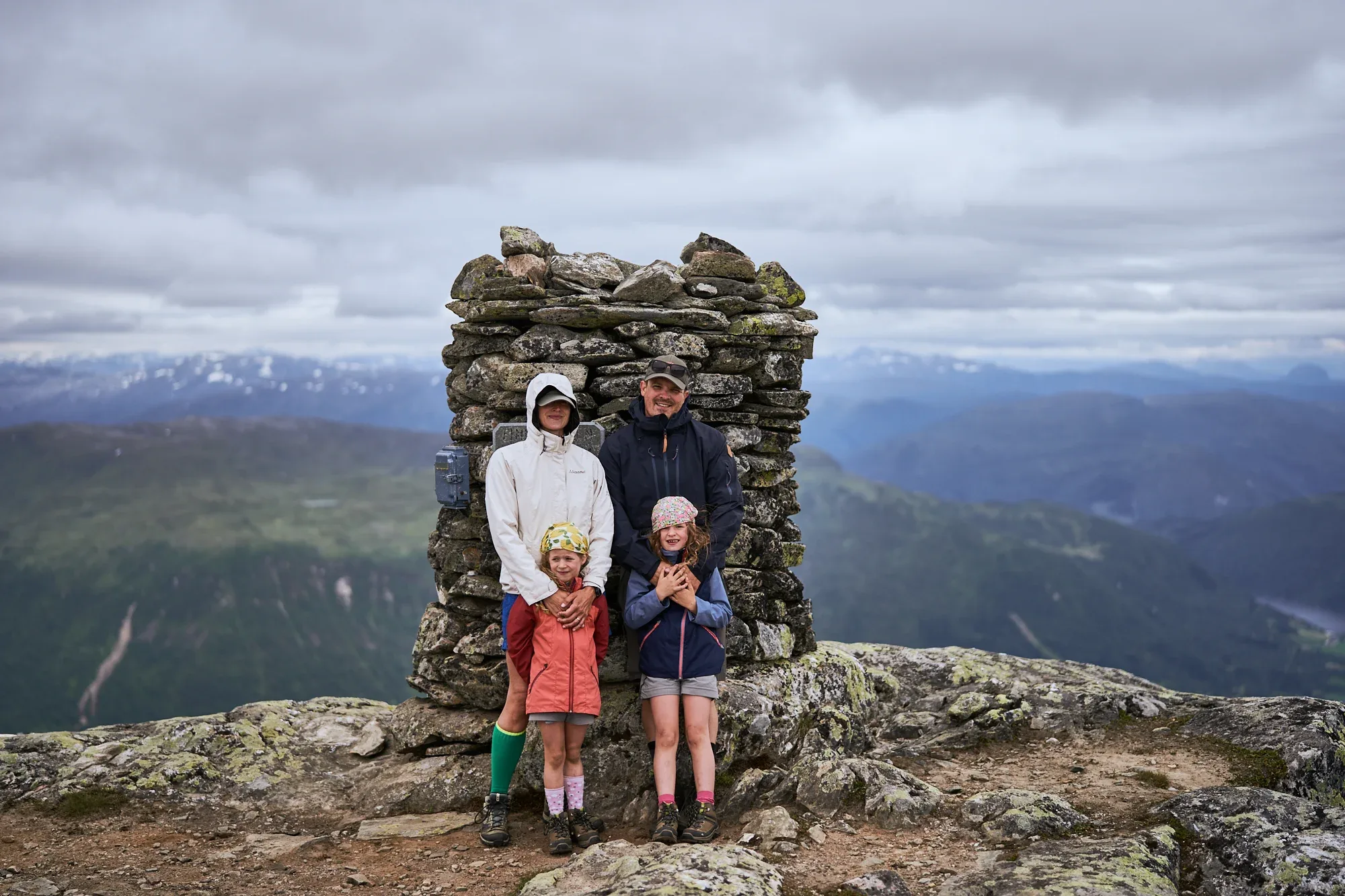
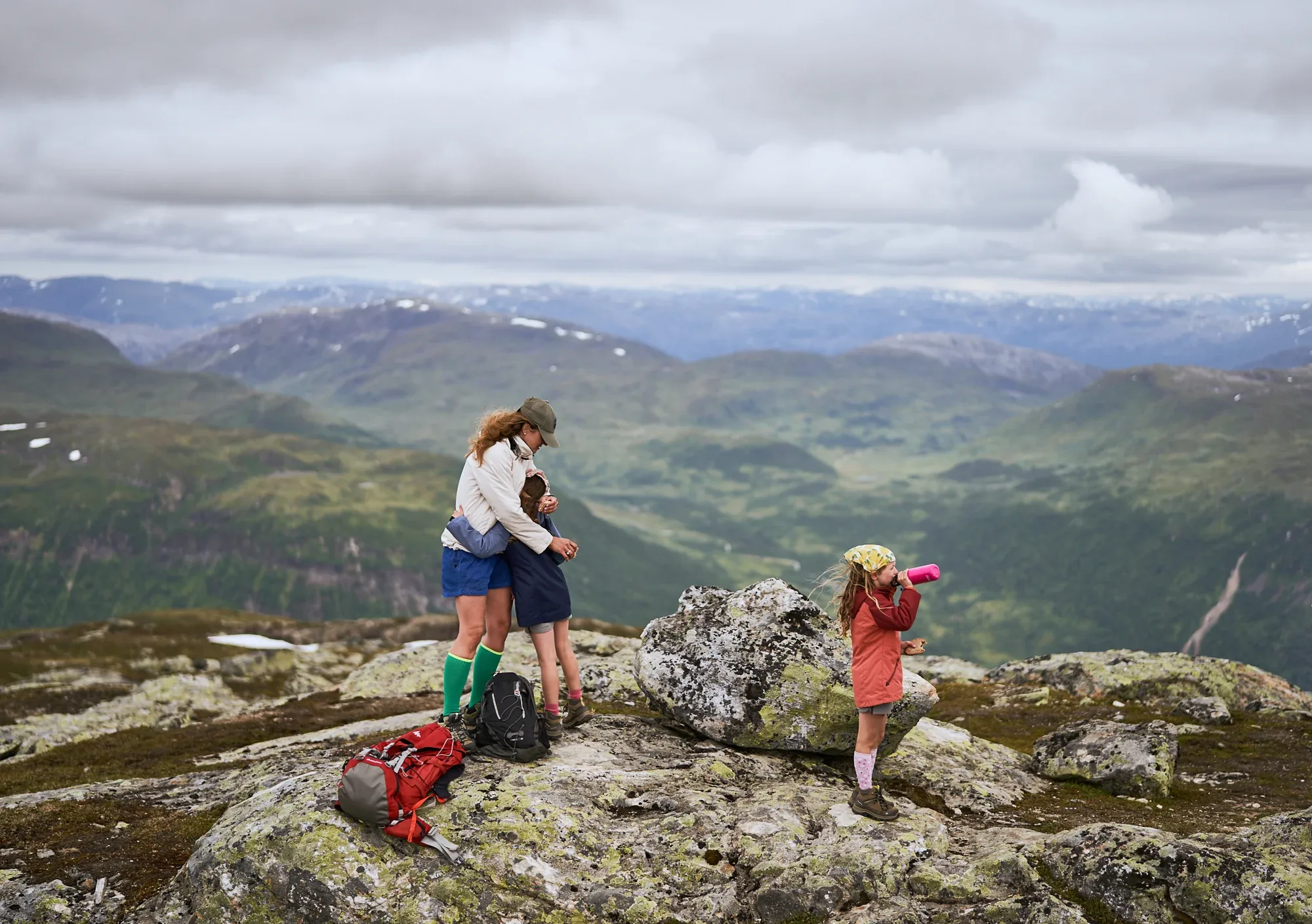
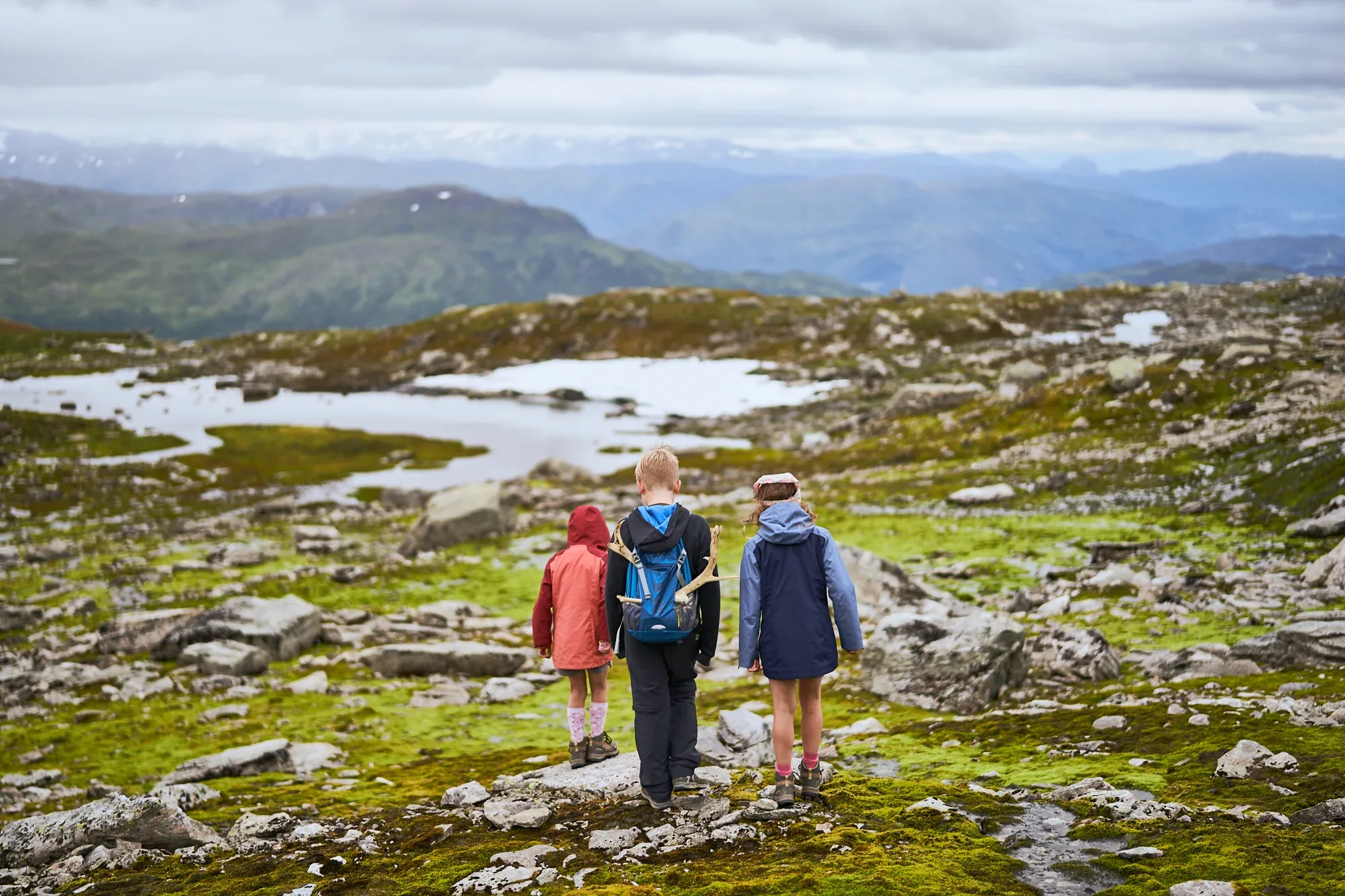
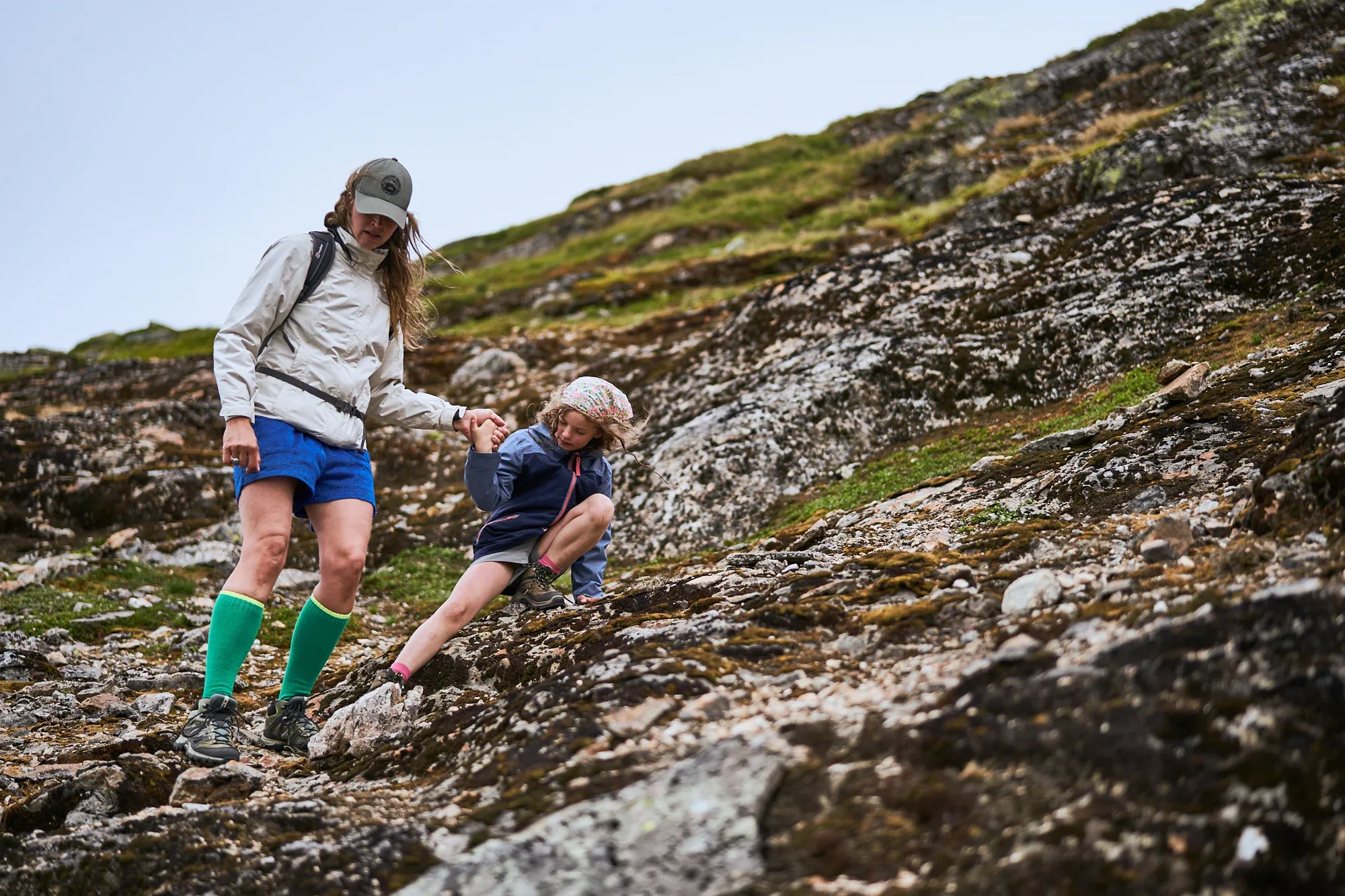
It was peaceful but also strangely confined. The freedom of the road was hard to trade for a fixed spot. We hiked Finnbunuten, climbing steeply from the ski lifts to panoramic views. The kids pushed through the challenge, and halfway up we met another Belgian family — instant friendship, as often happens when the world feels small.
Despite the comfort, we soon realized something: those “safety stops” we had planned weren’t necessary. The real breaks you need come along the way, not at the beginning or the end. Staying too long in one place made us restless.
Reflections
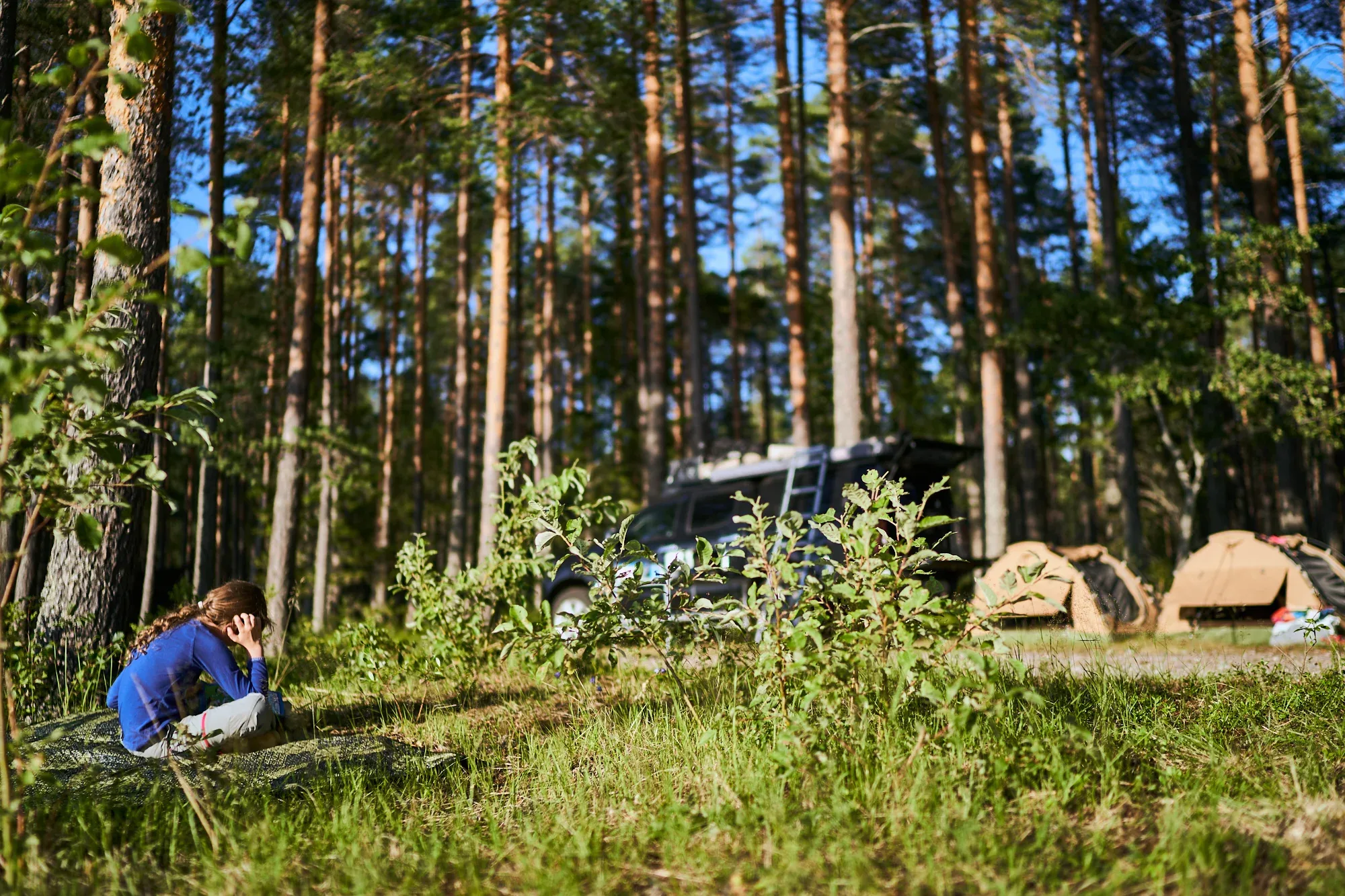
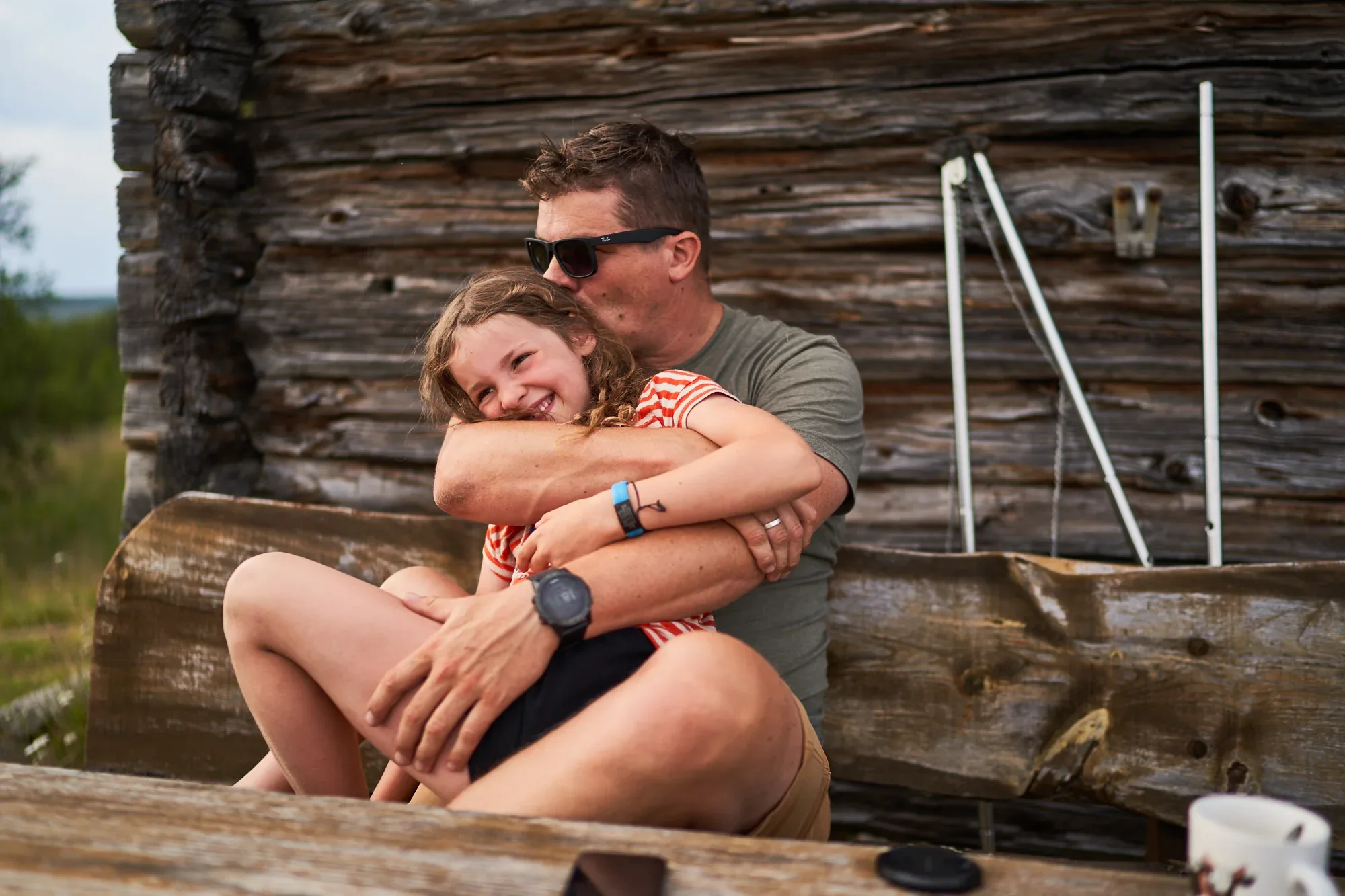
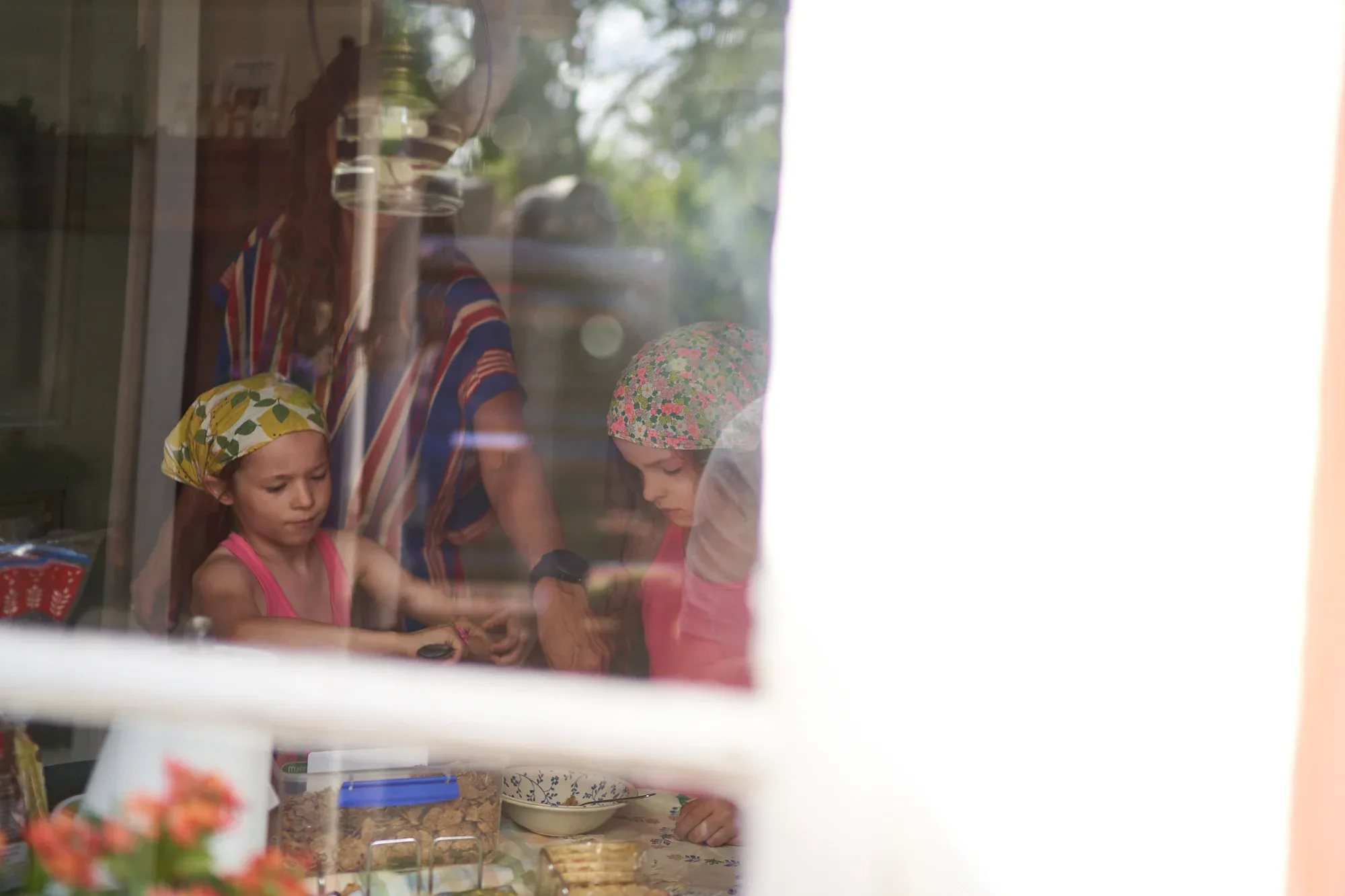
The kids amazed us. They adapted instantly, rarely asking for screens after the first day. They swam, built forts, collected rocks, laughed, fought, and forgot about time — just like we did. Watching them grow into the rhythm of travel was one of the most rewarding parts of the trip.
For me, stepping away from work for a full month was terrifying at first — the longest break in over a decade. But within ten days I had lost track of weekdays, projects, and emails. I didn’t just rest; I reset.
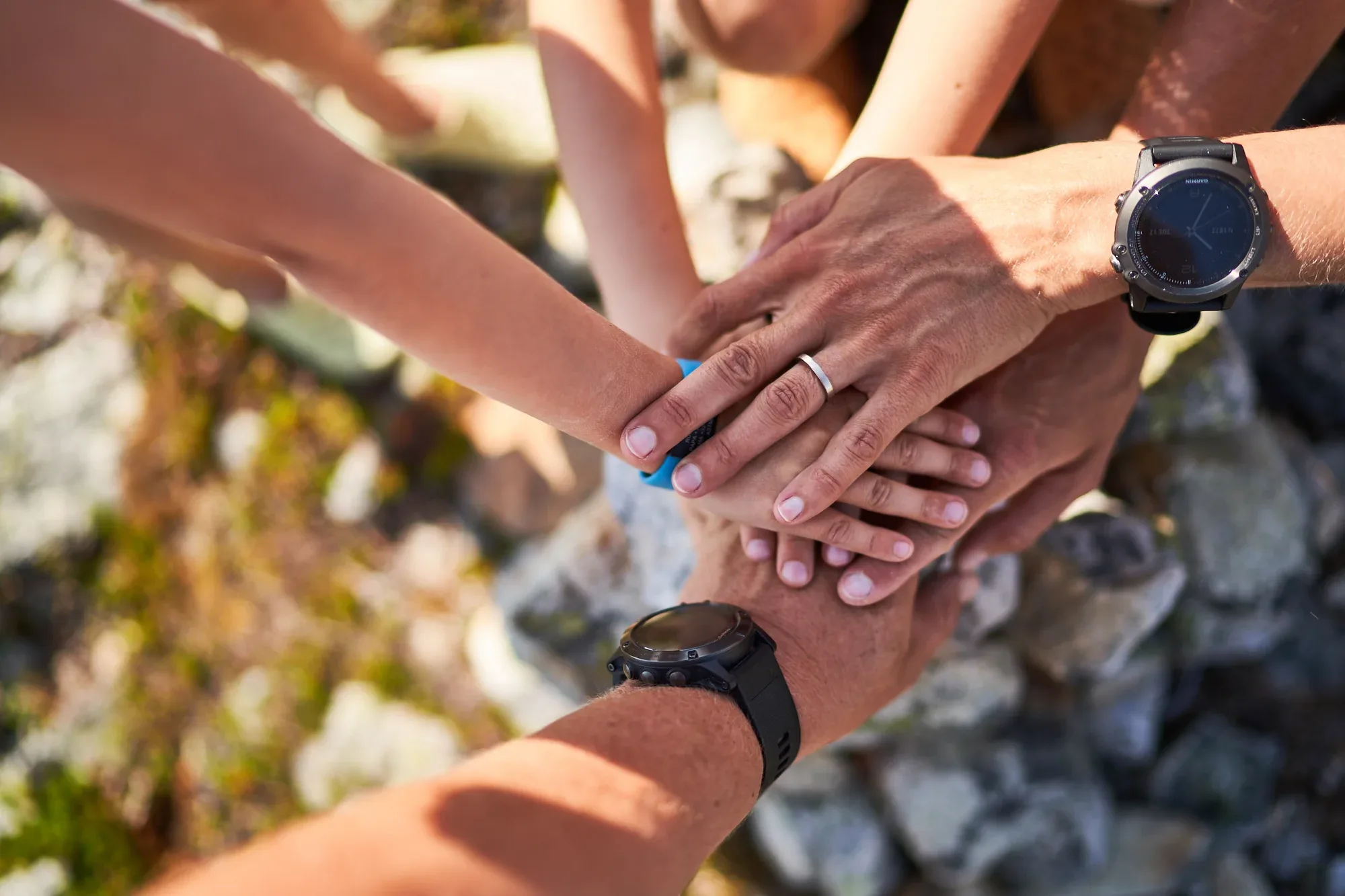
The trip reminded us that adventure doesn’t need to be extreme. It just needs to be real — unplanned, imperfect, shared. We left with dust on the car, smoke in our clothes, and a heart full of gratitude. Next summer, we’ll take the leap again — different direction, new roads, same spirit.
Maybe this time… with that rooftop tent after all.
Extended Travel report can be read here: Adrift in Scandinavia
Photos © Niko Caignie — nikoc.be