Like just about every photographer, I get asked daily, weekly, … by friends, strangers, family and clients which camera they should buy. And whether I can recommend something. That is usually the start of an extensive barrage of questions from my side, to work out what the purchase is actually meant for. One person wants to take snapshots, another would rather capture beautiful moments while travelling, and then there are those who want to get a bit more creative, … Budgets differ enormously from person to person too. Some want to spend 300 euros, others will happily part with 1500 euros to get their hands on the perfect device.
I am going to try to sketch out here how I use my cameras in different situations, and then explain my suggestion for the best camera for everyday use — for non-professional purposes, mind you! And of course that is my personal opinion, which is worth everything and nothing. 🙃
Before you buy a camera you first have to work out for yourself what that camera actually means, or should mean, to you. Is it a way to document things — creatively or not — and to keep memories, something you will use almost daily, or something that only comes along on holiday? This is a bit of a long read, but I am trying to give a broader picture of which device I use for what.
I have been working as a professional photographer for more than 10 years now, and over my career I have literally bought, tested and weighed up dozens of cameras. On days off, on holidays, on day trips, I have hauled and dragged tonnes of gear around because I thought that as a pro I could not afford to make a bad image with inferior equipment. While everyone else was enjoying the moment, I was busy changing lenses, finding the right angle, looking for another perspective. That happened mostly at the start of my career, when I also believed that gear and technical specifications were what made the difference. They certainly do make a difference — on a professional shoot you have to work with top-notch equipment. But over time you learn that all that new technology and those better specs do not really move the needle. Somewhere I once read this quote:
‘Stop trying to think that a new camera will change your photography game’.
I have worn out Nikons, Sonys, Fujis, Konicas, Hasselblads and Leicas by the dozen. And nothing is more true: a new camera is not going to change anything about your photography game. What I have learned is that every type of camera has its purpose. Where I used to think I needed state-of-the-art professional gear on every front, I have come to the conclusion that depending on the moment I am a different kind of photographer, and therefore use a different kind of equipment.
Professional jobs I handle with my Sony cameras: technically unmatched, reliable and versatile. (Sony A7Riii) With a whole range of lenses depending on the situation and the conditions. Not to mention lighting, technical support and so on… but none of that is relevant here. (www.nikocaignie.be/commercial)
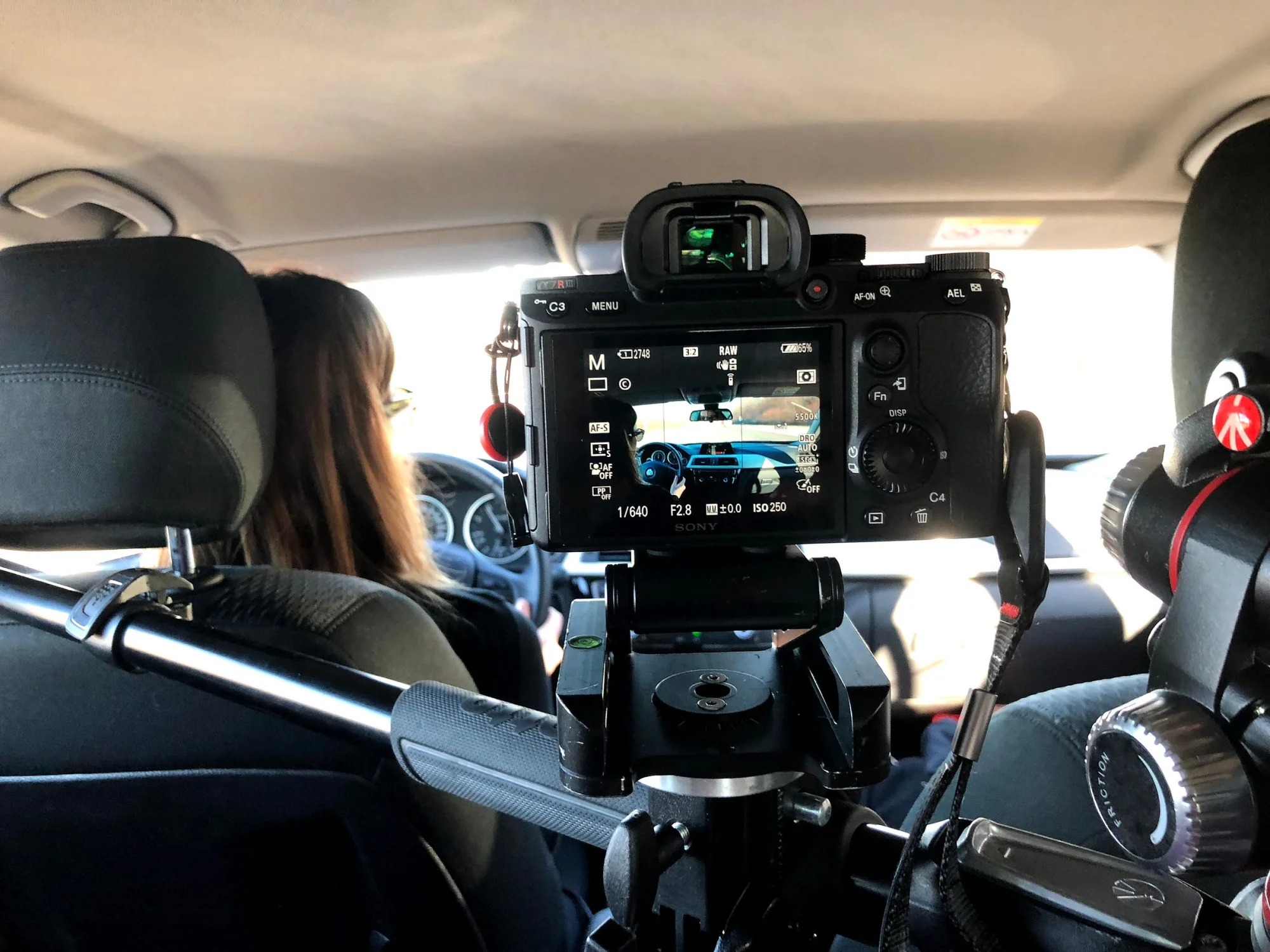
When travelling I use a Sony A7Riii that has fewer megapixels but is otherwise identical to my workhorse for professional jobs. And I screw a 35mm 1.4 lens onto it. For me the ideal reportage lens; it has roughly the same field of view as human sight. All the travel reports were photographed with that combination. Because I do not have to decide first whether to document something wide-angle or close-up, I am only occupied with what is happening. I see a nice moment, click, done. This camera also lets me do long exposures, timelapses if I want, and video when possible. Beyond that I take a DJI Pocket for video snapshots and a DJI Mavic Pro 2 for the aerial shots. That all fits in a small case; compactness matters when you travel. (www.nikocaignie.be/travel)
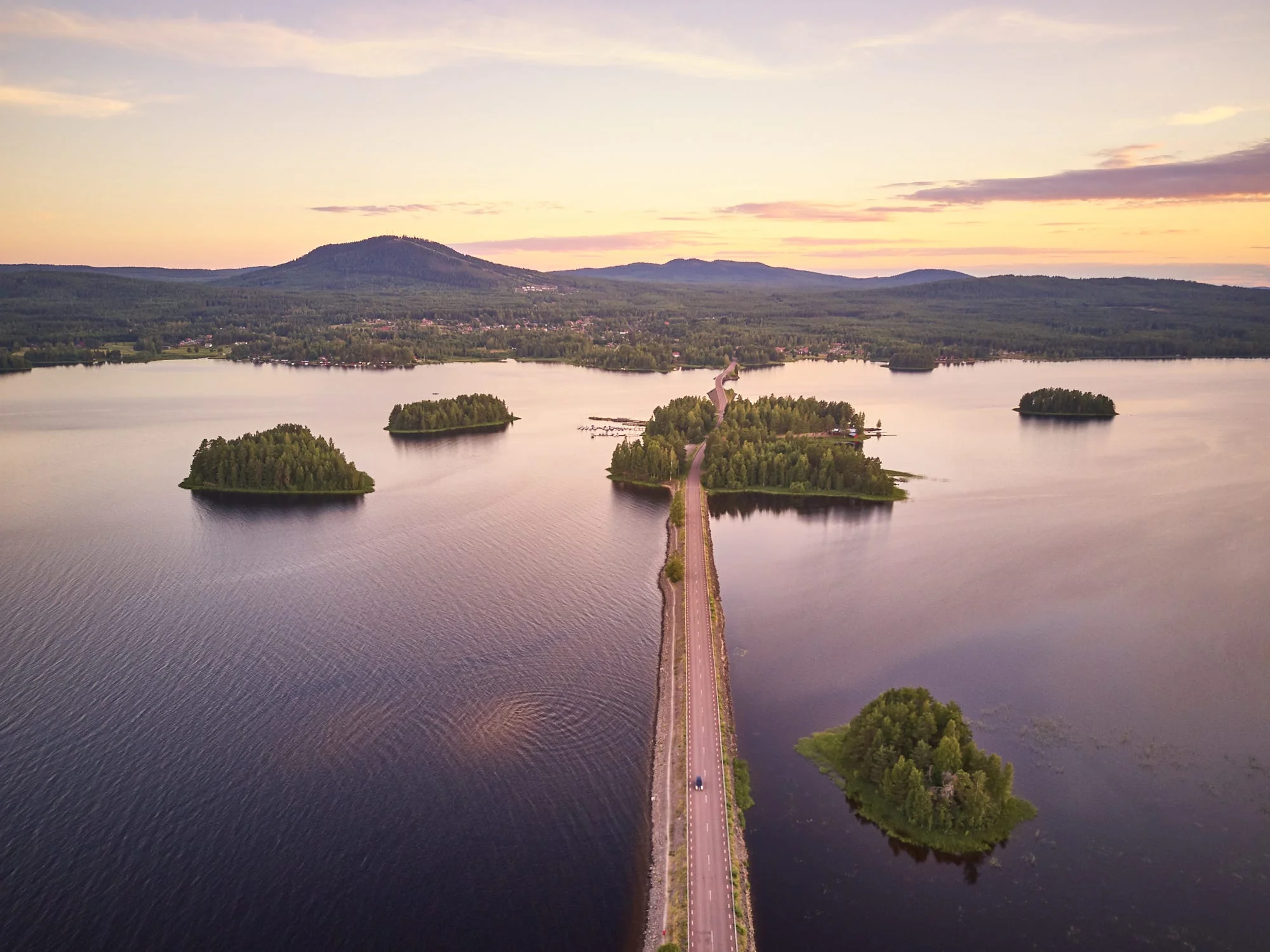
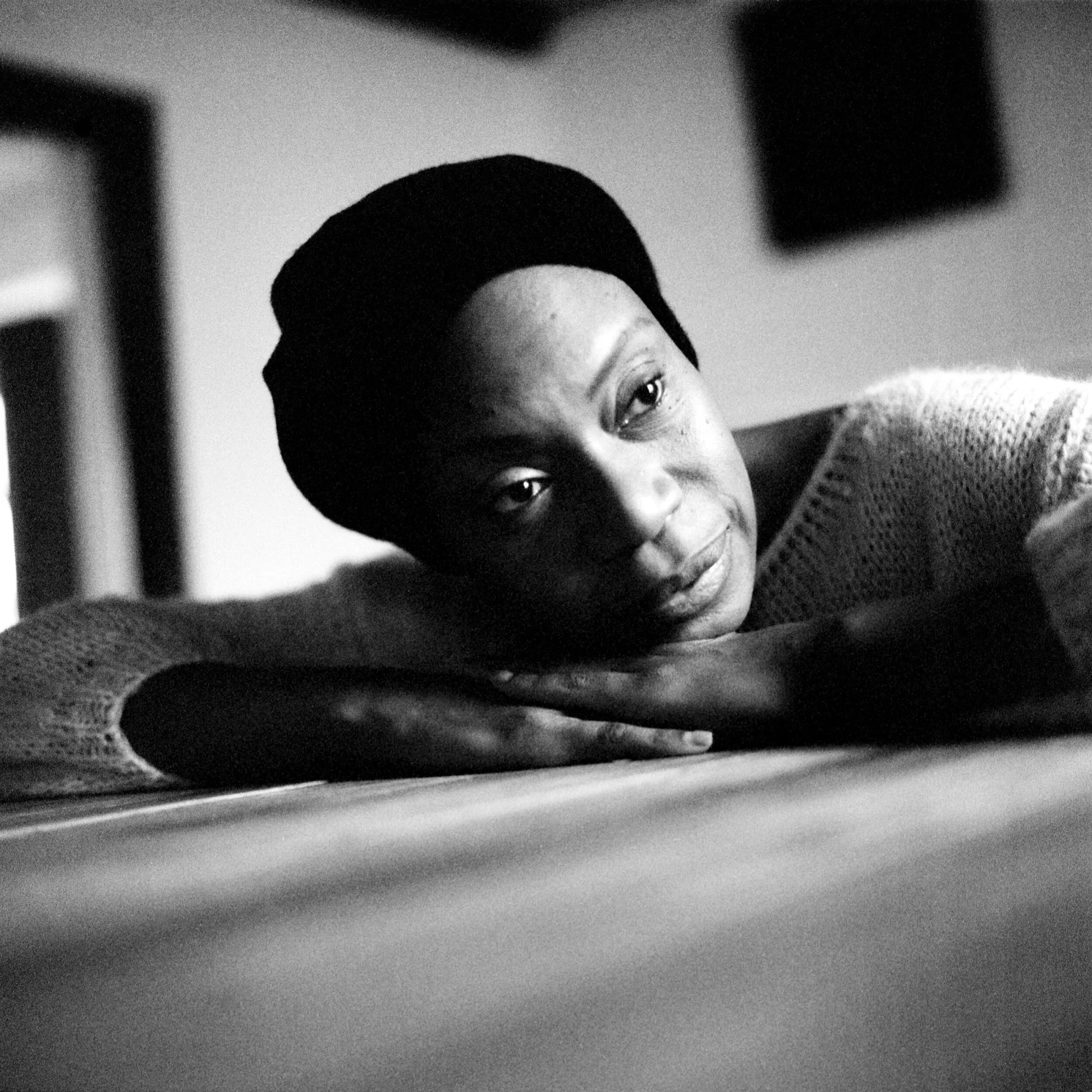
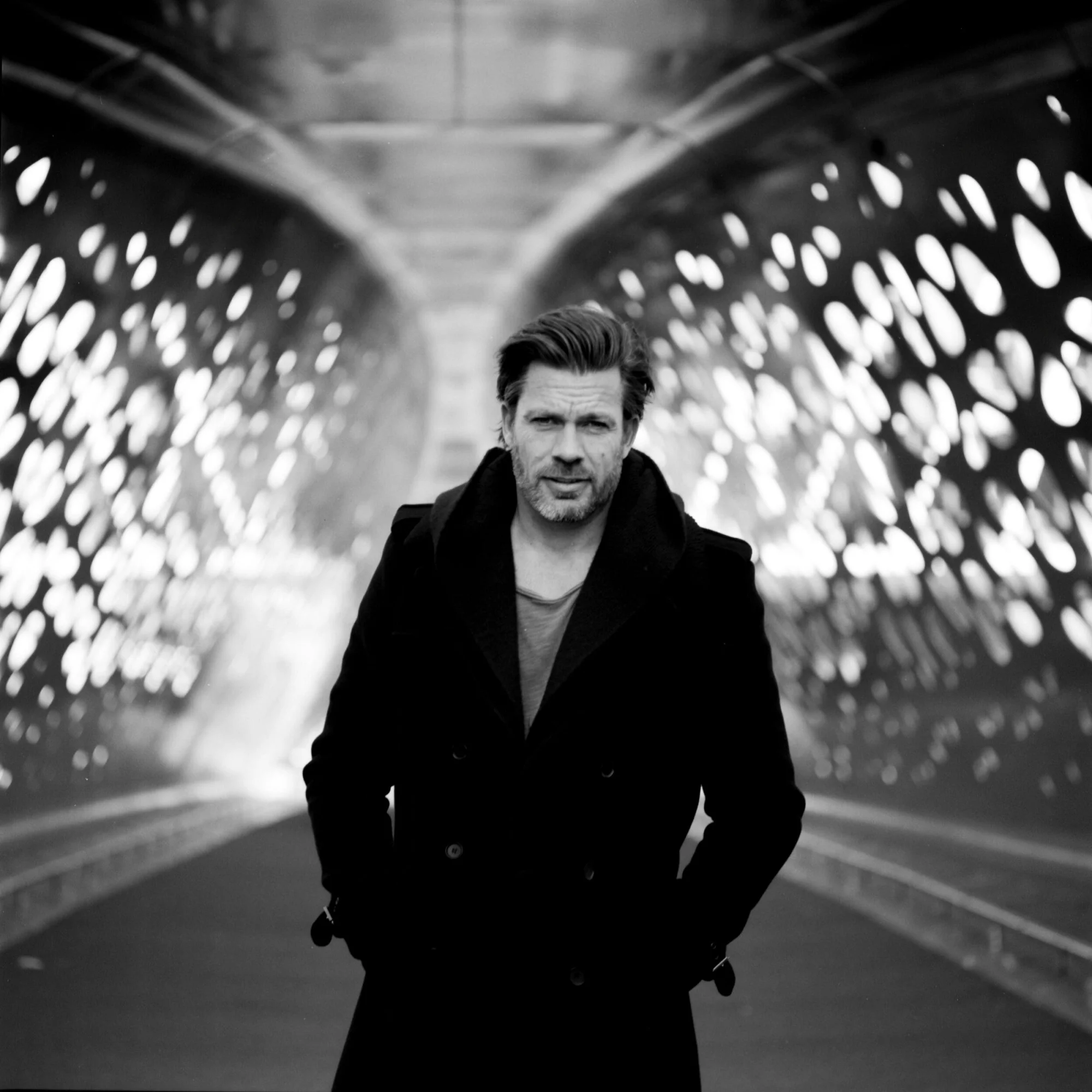
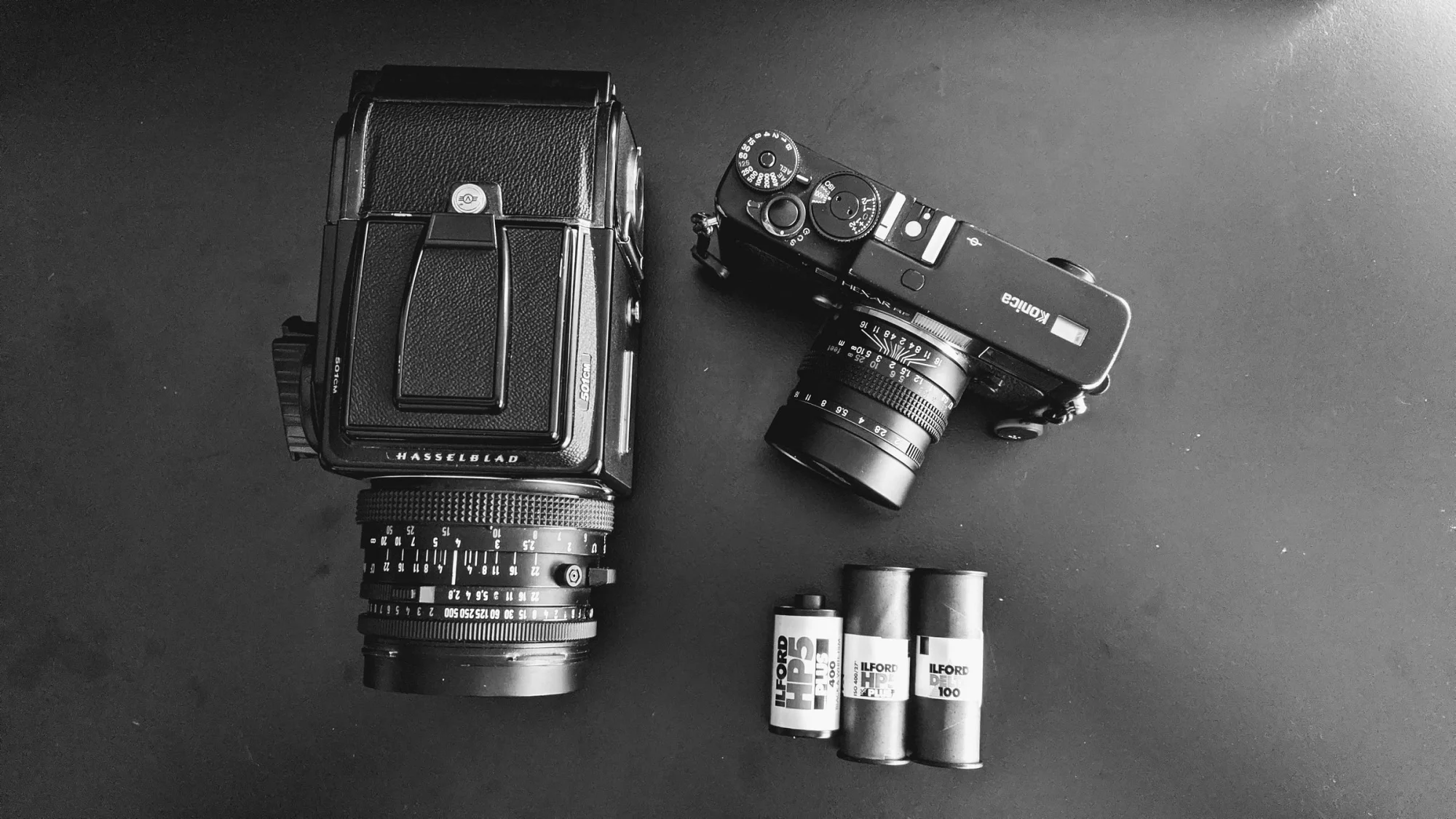
For my portrait work I currently use two analogue manual cameras. A Hasselblad 501 CM & a Konica Hexar RF. The reasoning is simple: back to basics, metering the light and focusing yourself. Taking time for your image and taking time for your subject. More quality than quantity. Everything goes slowly, and the whole process benefits from it. There is time for dialogue, for getting to know each other better, and the portrait always benefits from that. There is also no little screen to check whether it was any good. ‘It is what it is.’ Sometimes an imperfection can be exactly perfect. (www.nikocaignie.be/latest/tag/Analog)
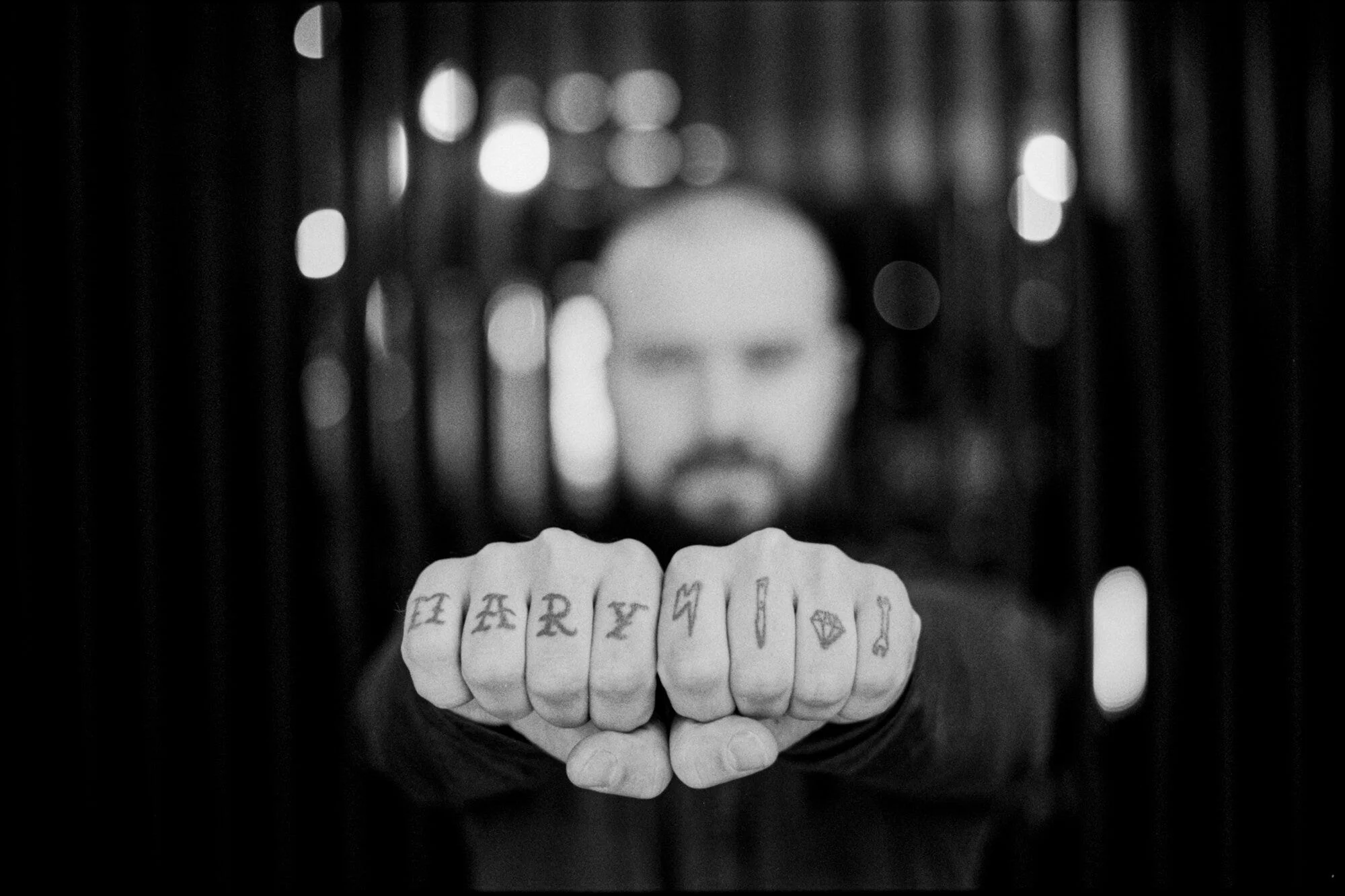
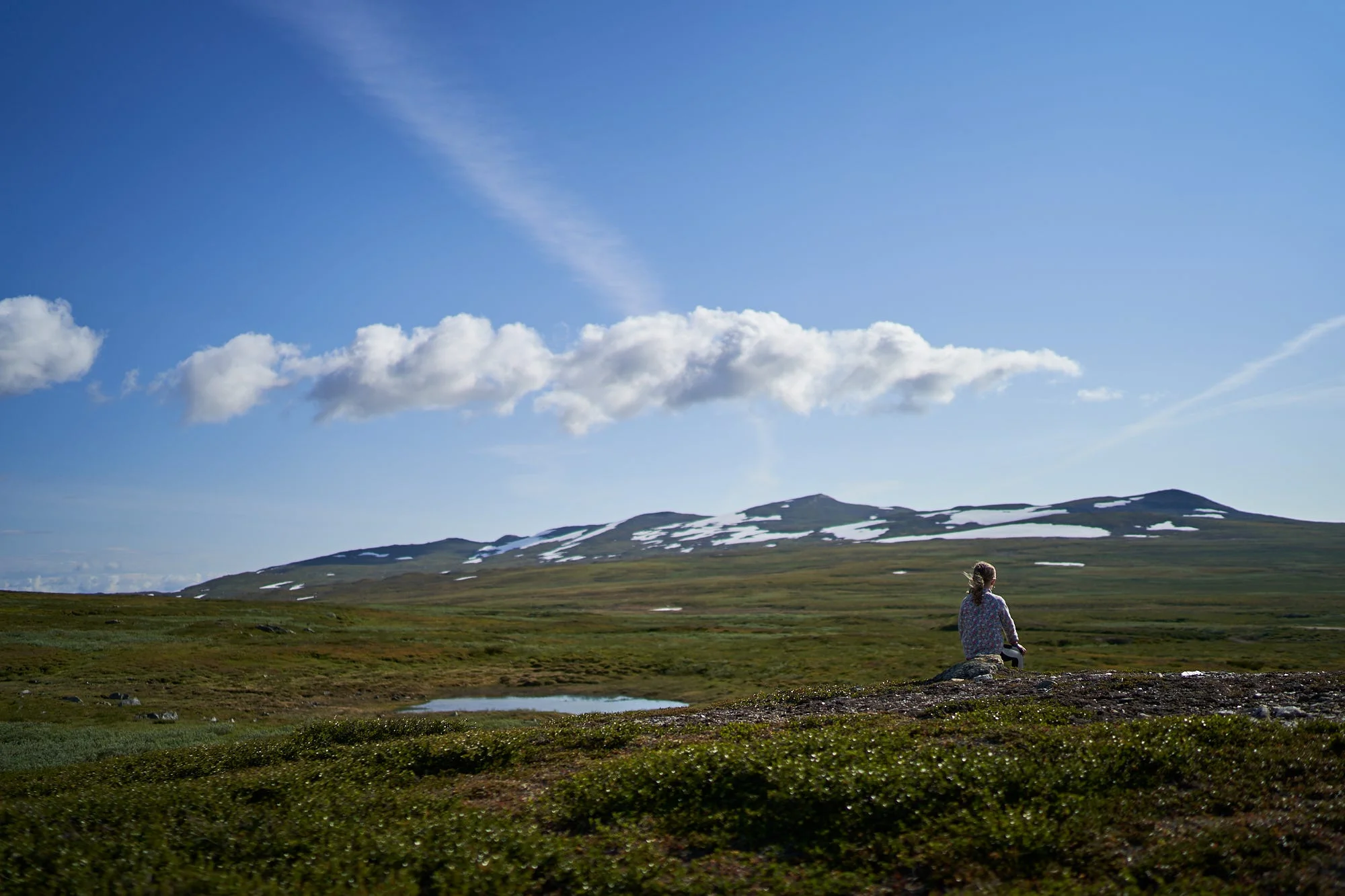
And last but not least: the day-to-day snapshots. Lovely family moments, nice or cool places and views, walks in nature, great city views, beautiful light, fun moments with friends, a quick portrait, some street photography, weekends … ‘Slices of life’ in every possible form. Of all the kinds of photography, this is the one where I learned to let go of the perfect and above all to convey an atmosphere. When I look at those images I want to feel what I felt back then, not pat myself on the back because it was spot on sharp or framed. Perfection here is capturing my feeling. I snapshot with whatever camera I have to hand at that moment. Sometimes a pro camera, sometimes an analogue one, sometimes just the smartphone. (www.nikocaignie.be/snapshots)
And that last category is really the one most of those earlier questions fall into. The ideal daily snapshotter. A camera you want to and can carry every day, one that is light, compact and fast. The very best in that category is your own smartphone. Many people keep buying the latest smartphone because of the best camera or other specs, and yet they only feel like a photographer when they are holding a camera.
Chase Jarvis’ well-known quote sums it up nicely: The best camera is the one you have with you.
So far I have stayed well away from technical specifications, because that is not really relevant either. And everyone’s needs differ. I do not like zooming, for instance. Zooming makes you photograph passively, not seeking interaction with your subject but rather trying to keep a distance. You feel and see that in the images. Specs matter on an individual level, as personal preference, but in the idea of a compact snapshotter they do not apply. Within a given price bracket all devices have roughly the same specifications. And whether you pick one brand or another, for someone who has not gone deep into photography and mostly shoots fully automatic it really makes no difference. Someone who already has some grounding, or is advanced in photography, will look up certain specs more specifically and deliberately. For me compactness, aperture and speed matter most. Just below that come the lens, manual control and battery life. All the rest is secondary: megapixels and every other possible spec and gadget.
I usually shoot on aperture priority at f5.6 for street photography and f2.8 for more atmosphere and reportage. When the light is beautiful I switch to manual control. Most of the images I make are meant for the 10x15 photo books that lie around everywhere in our house. All my snapshots also end up in my Google Photos, which is synced with the Apple TV. And sometimes on social media. My whole life with Liene and the kids flashes past on the Apple TV every day. All the memories, from births to travels, angry children, fun moments, pass by daily. We watch it often. That is what those snapshots are for. How I approach my photo workflow and how my Google Photos is organised is something I will come back to another time. But the essence is that I put time and effort into processing and organising those banal snapshots in Google Photos. Because a banal memory is, a month, a year or ten years later, a deeply cherished moment.
And now, without further ado, my ideal snapshotters:
- The smartphone, always to hand…
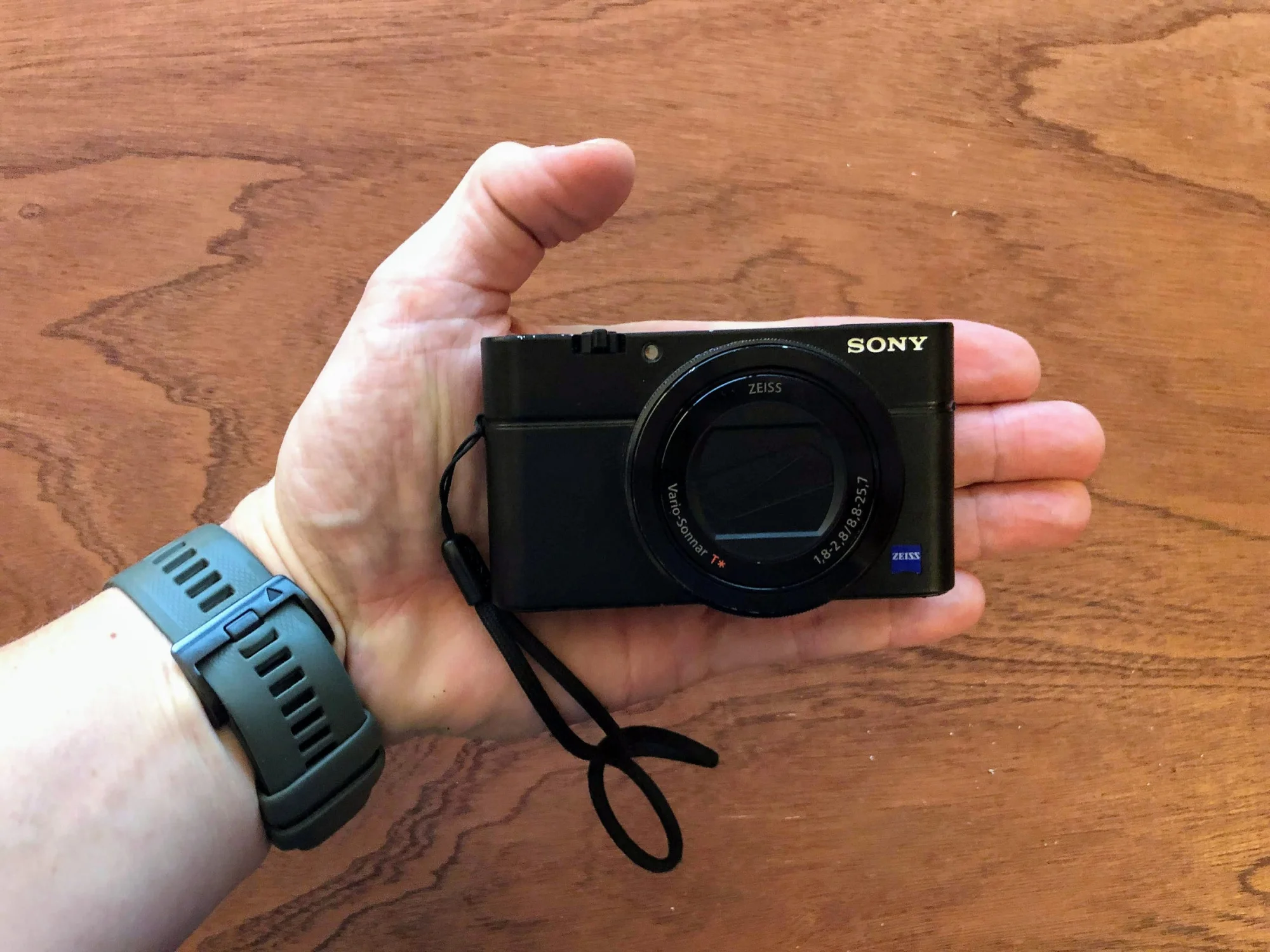
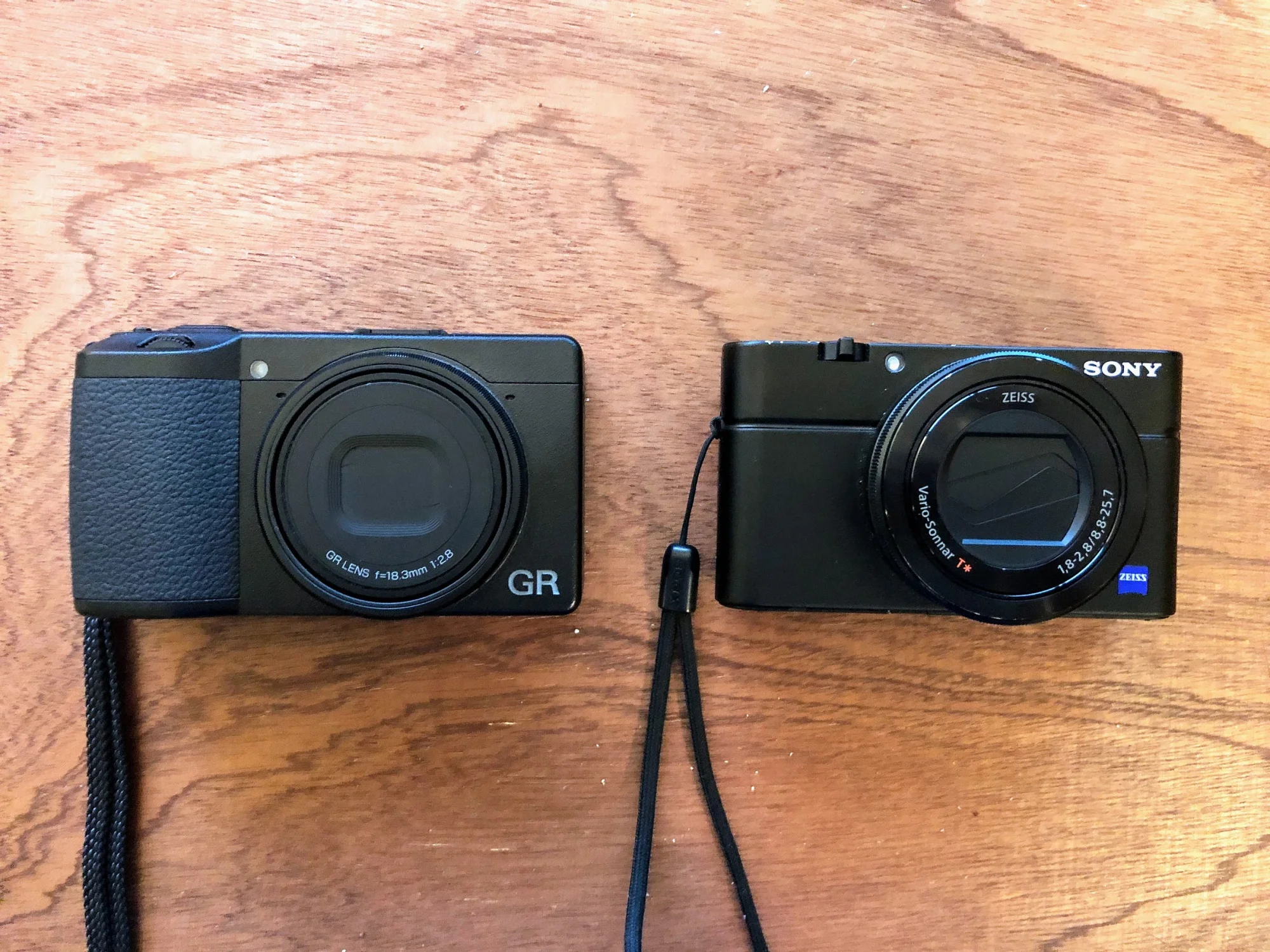
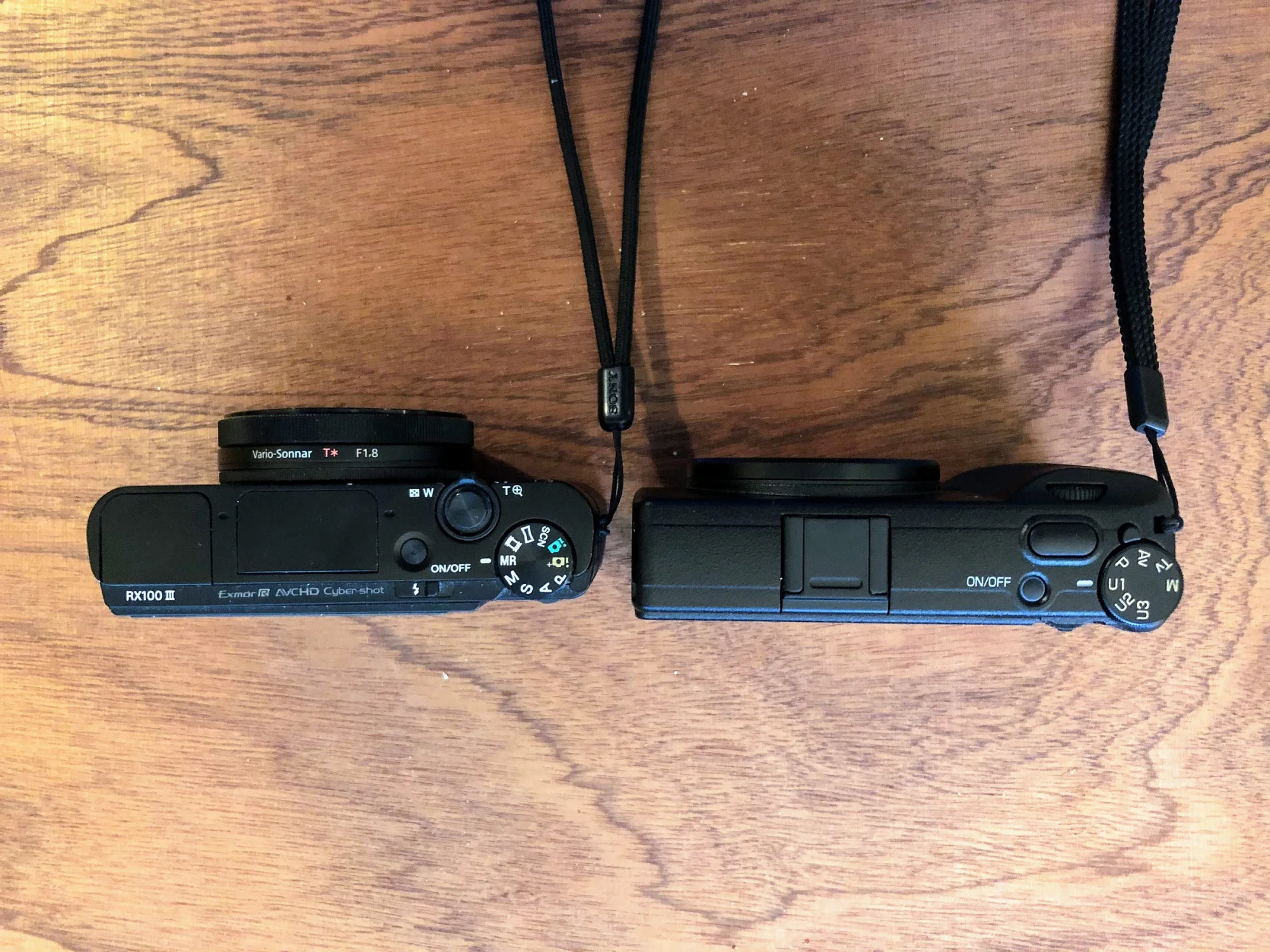
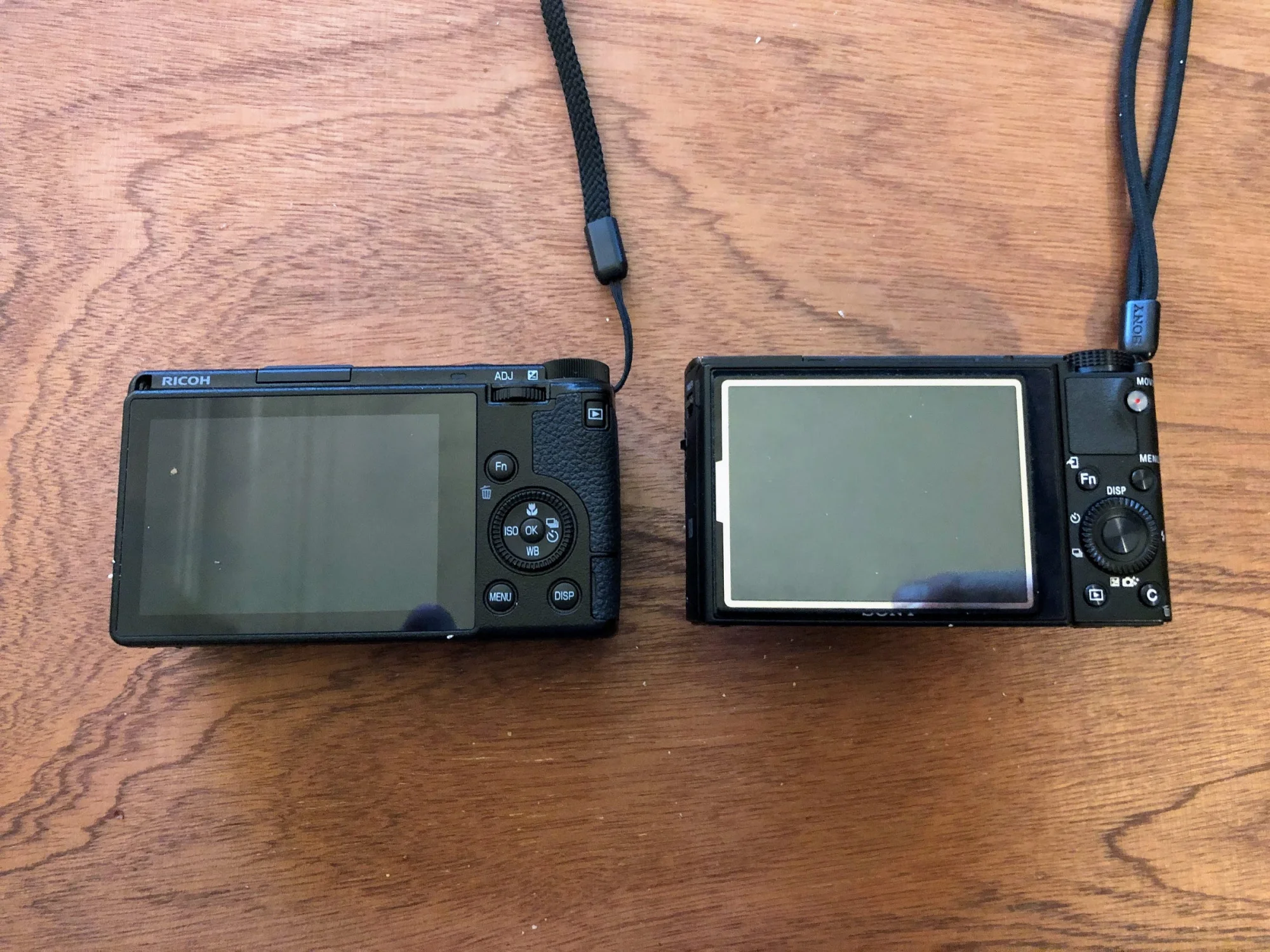
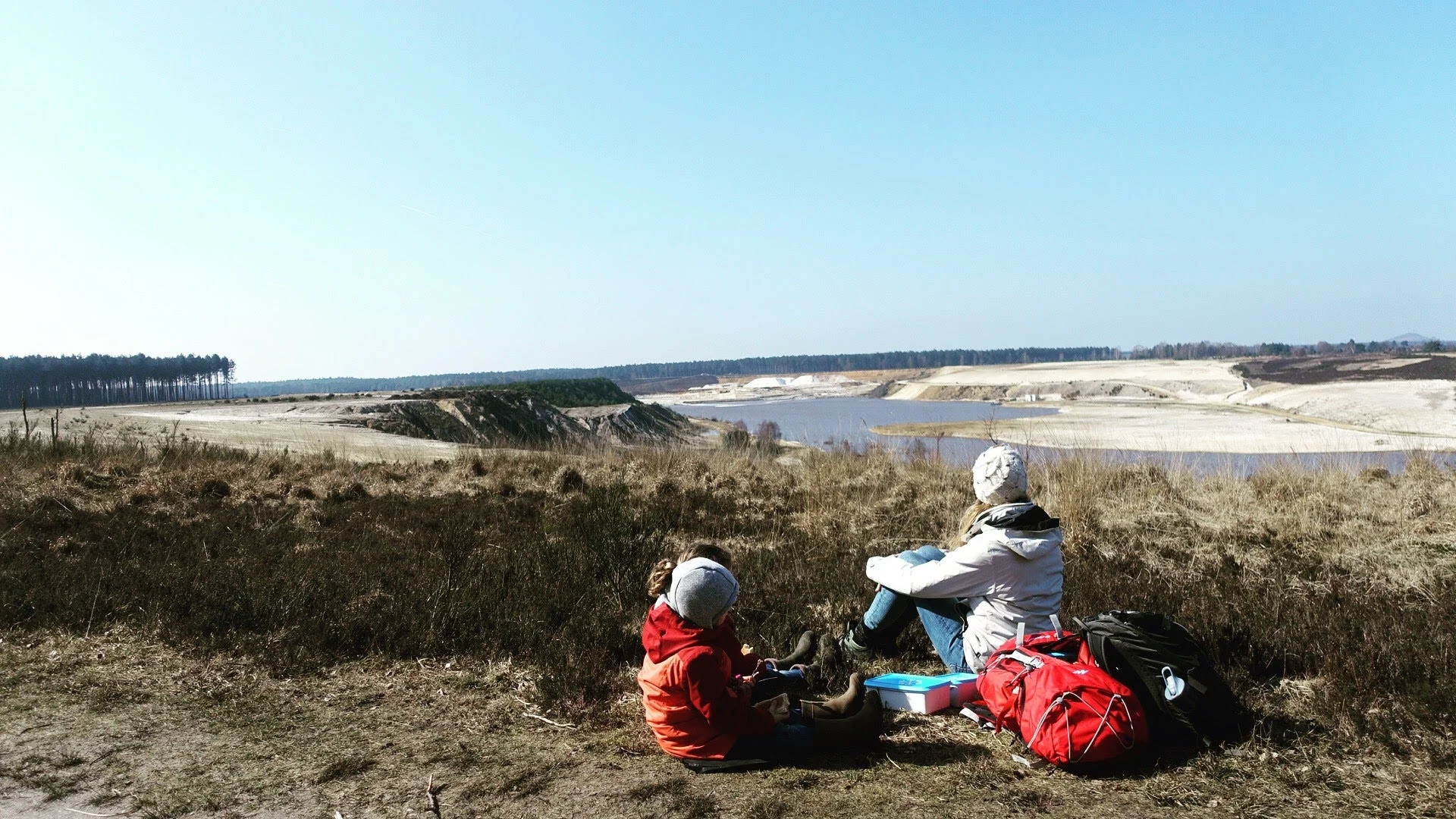
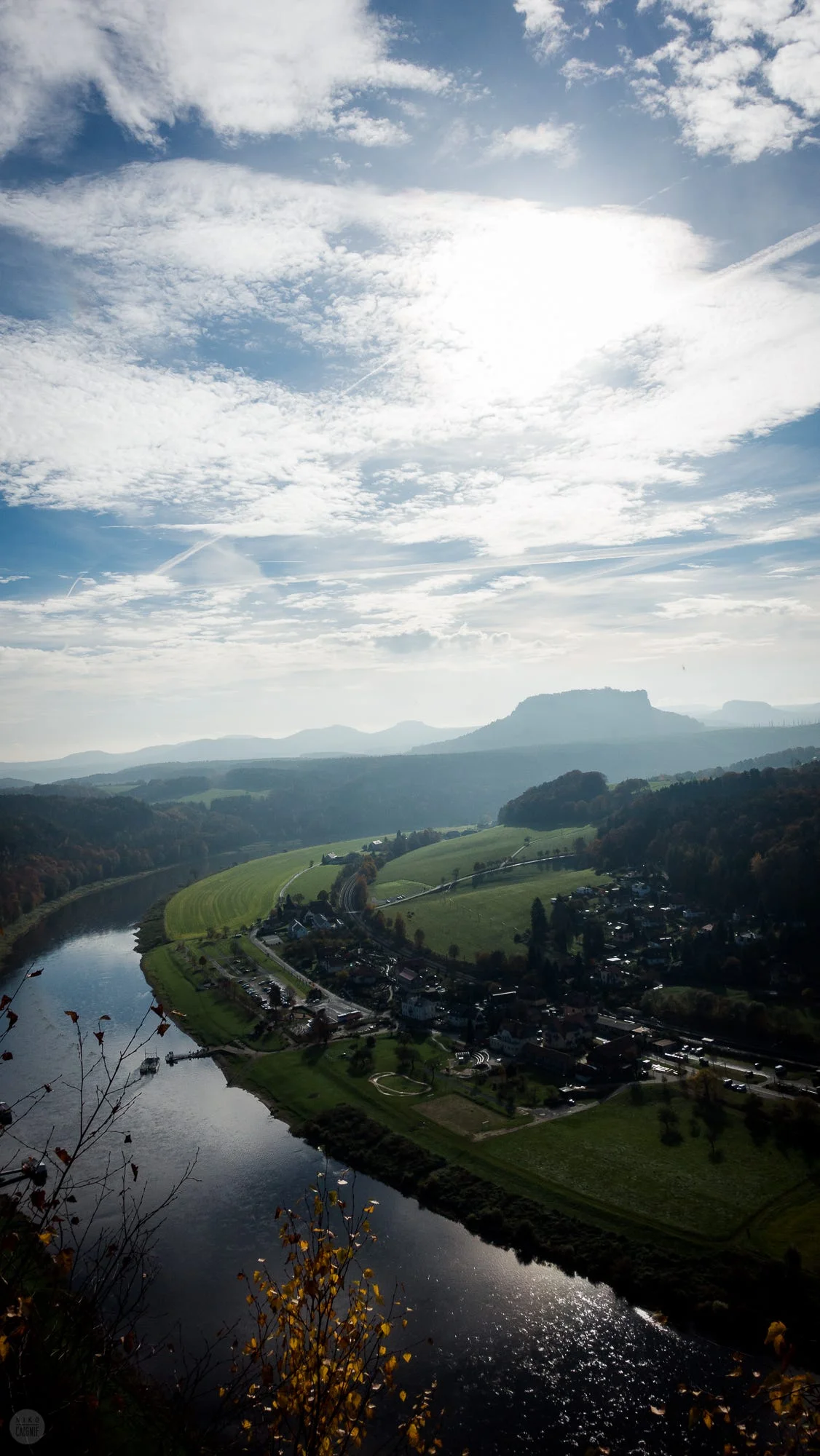
- The Sony RX100iii, no bigger than the palm of your hand, starts up very quickly and has a lens with a maximum aperture of 1.8 and a minimum aperture of 2.8 when you zoom. Translated, that means you can have nicely blurred backgrounds for portraits, or subjects that stand out strongly in the foreground. This camera also zooms from 24mm to 70mm, which is a wide range, especially knowing you can keep those large apertures. The sensor has a wide dynamic range and the fast lens makes this little rascal an ideal tool to always slip into your trouser or breast pocket. On many bike rides and walking holidays I had only this one with me and made lovely images with it. Also nice is that you still have an optical viewfinder you can use when there is a lot of light and the LCD is hard to see. Although, because it is a tilting LCD, that does not happen often. And it fits perfectly in the breast pocket of your shirt.The RX100iii is not the latest version in that series, it is a few years old by now, but the camera is still so good that it keeps selling extremely well. There is a version VII out in the meantime. Four versions further and 1000 euros more expensive than the mark 3. Between the Mark 1 and the Mark 7 there is almost a 1200 euro price difference. But believe me, with the Mark 3 (RX100iii) you get the best of the line, and that for 499 euros, a bit more or less depending on where you buy it. Over the past 4 years I have had an enormous amount of fun with this device, both for its compactness and for its efficiency. For me the RX100iii is therefore the benchmark for every camera in that compact segment. And whether you are a super pro photographer or a layman who just wants to press a button and get a good photo, the RX100iii has something for everyone. I mainly use it on hikes and bike rides.
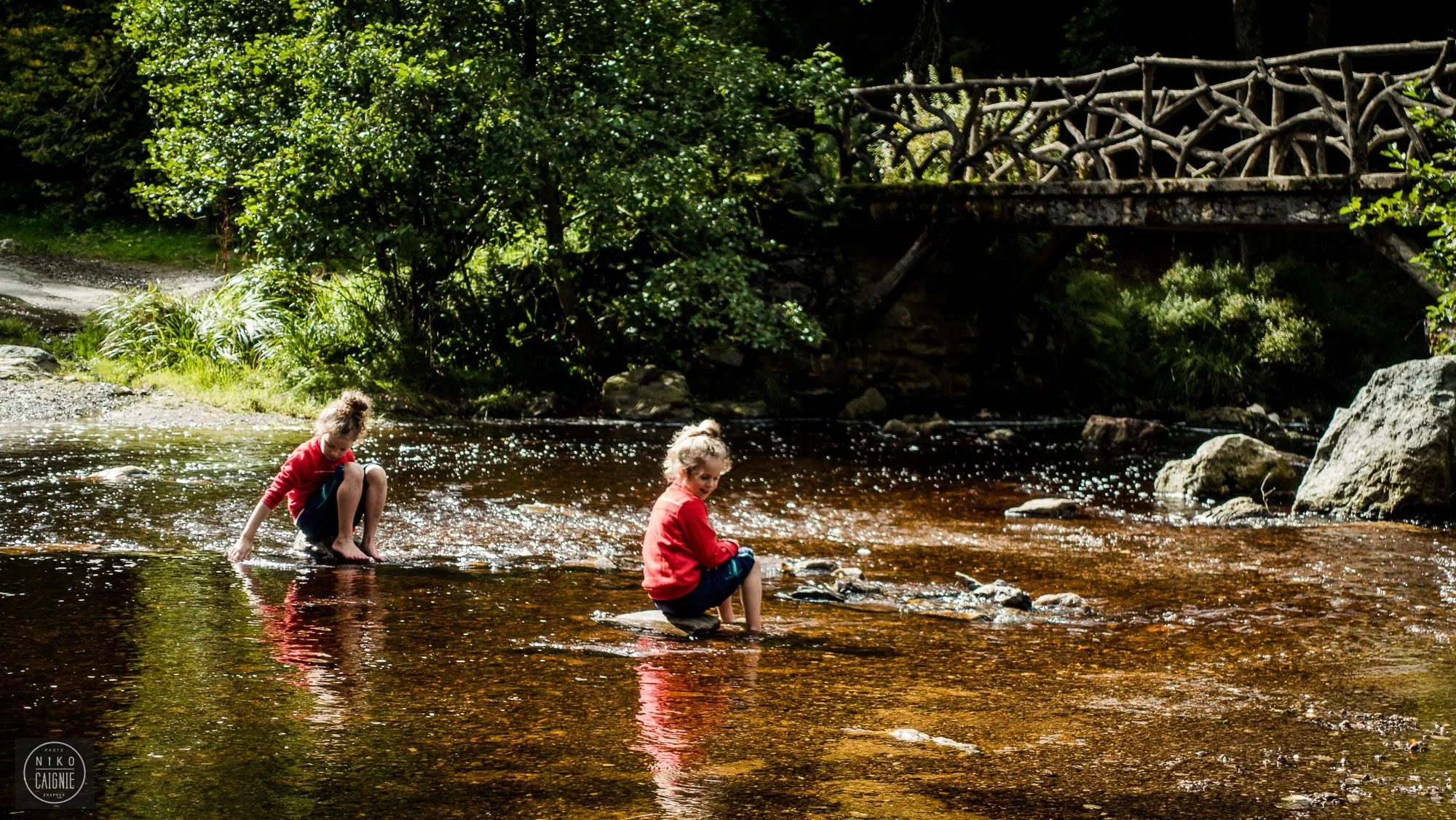
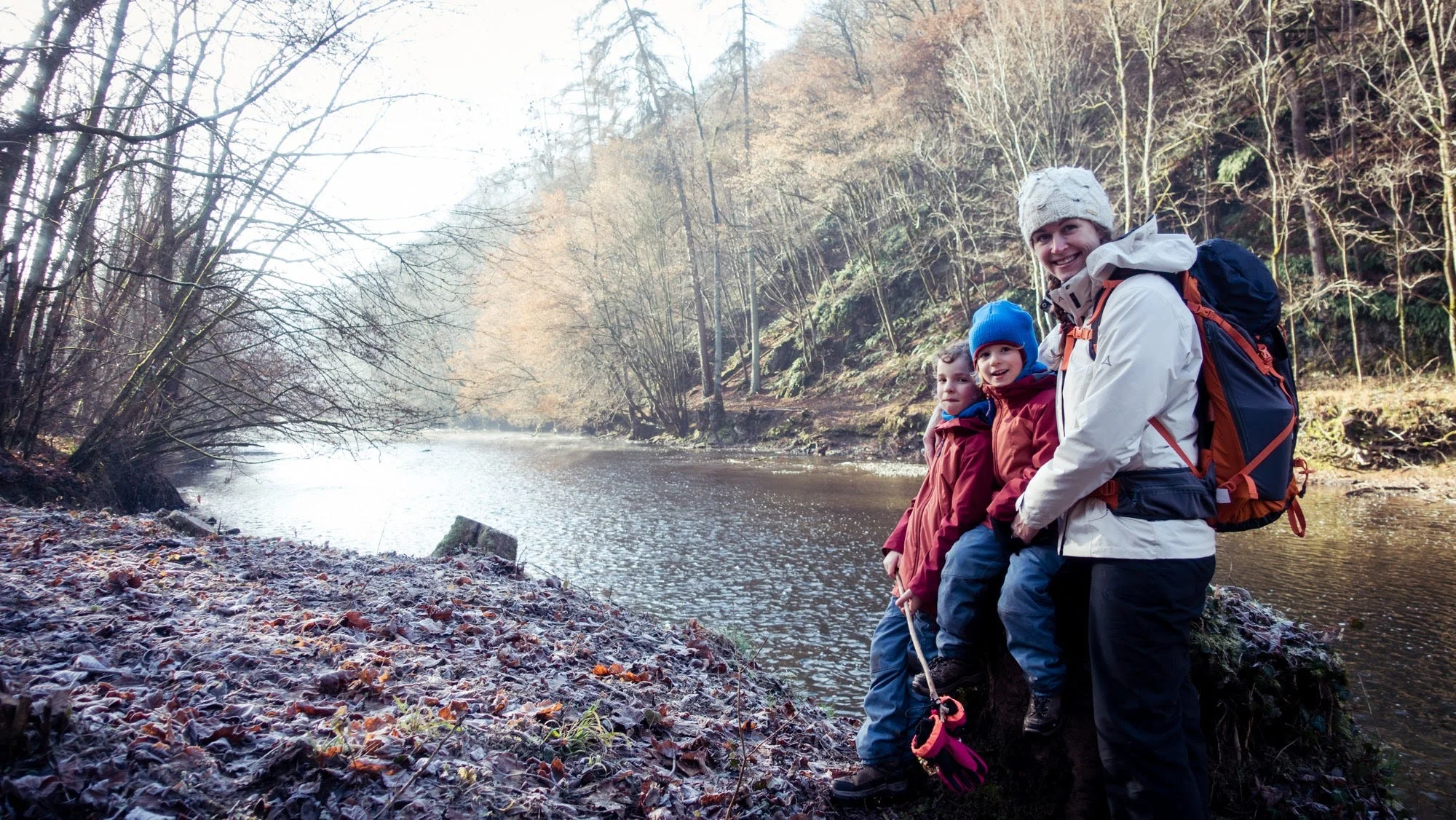
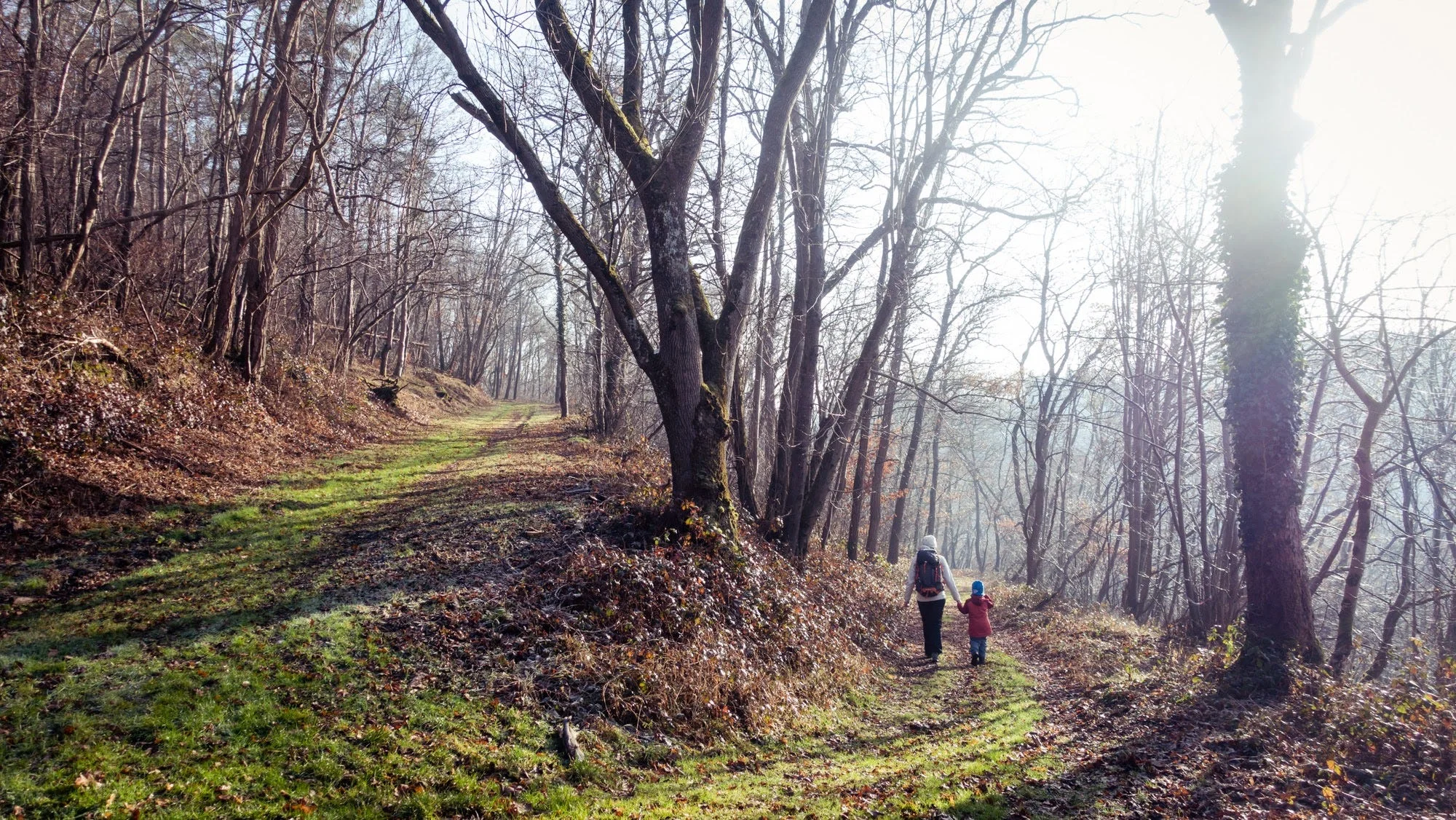
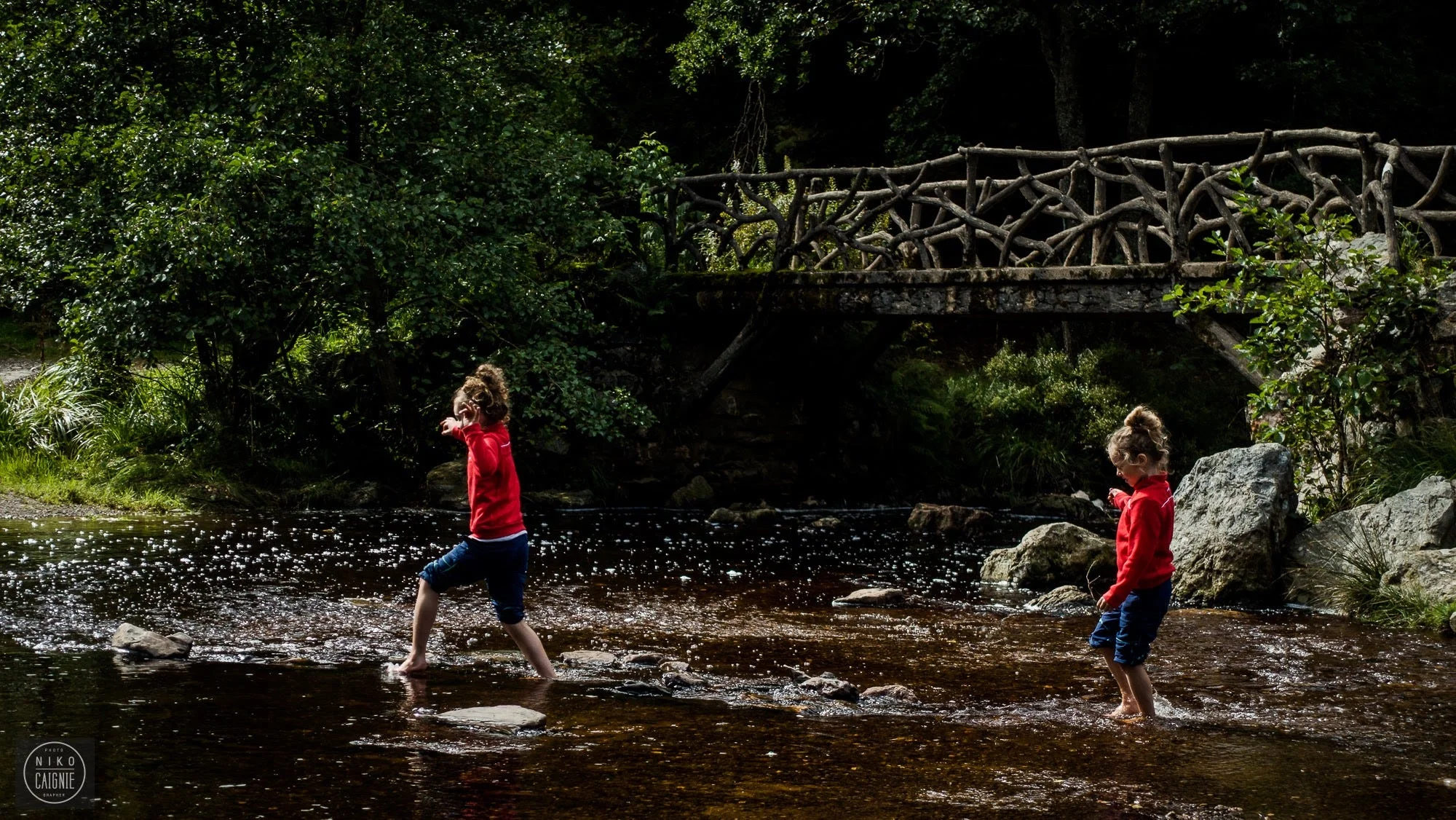
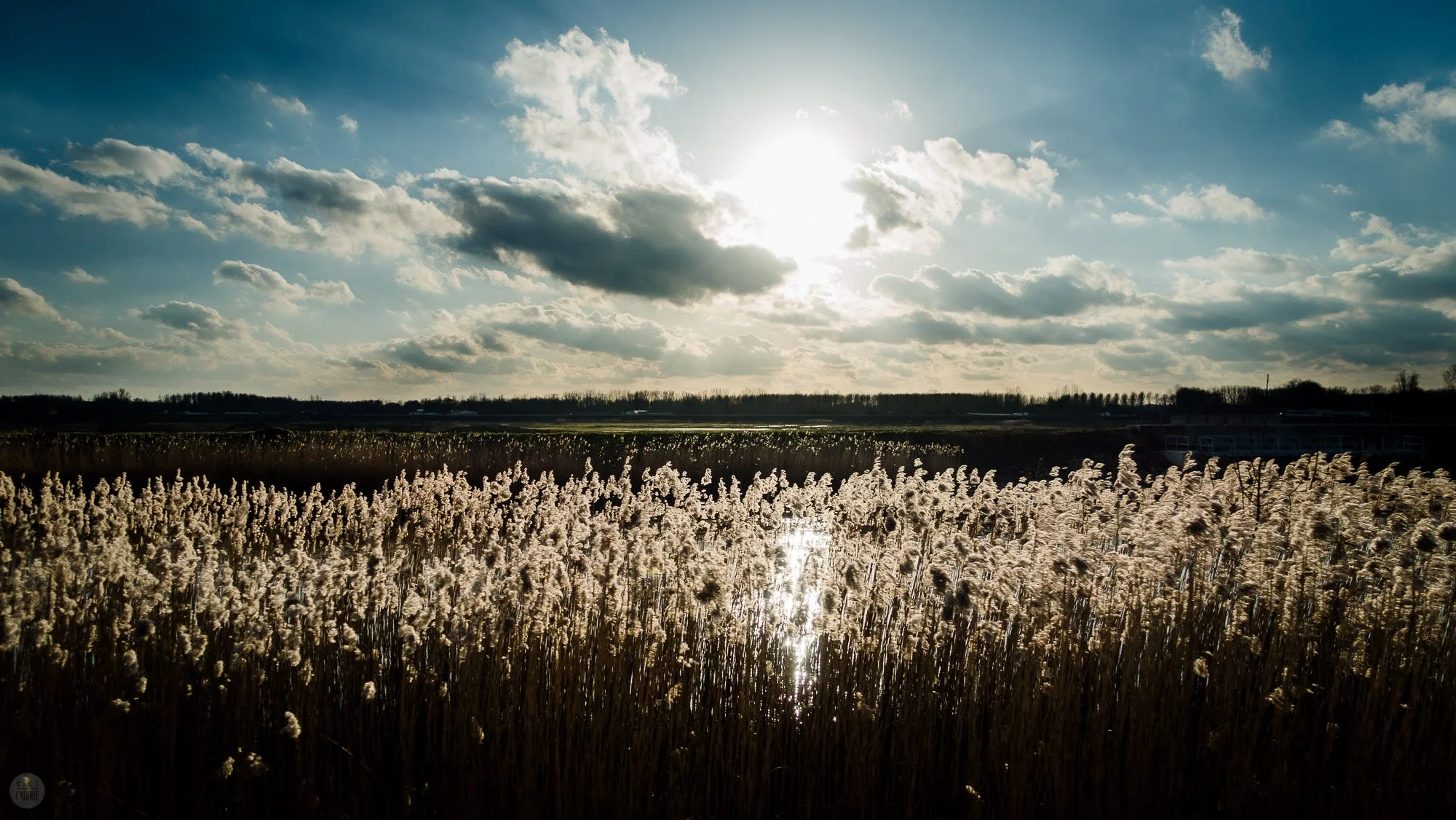
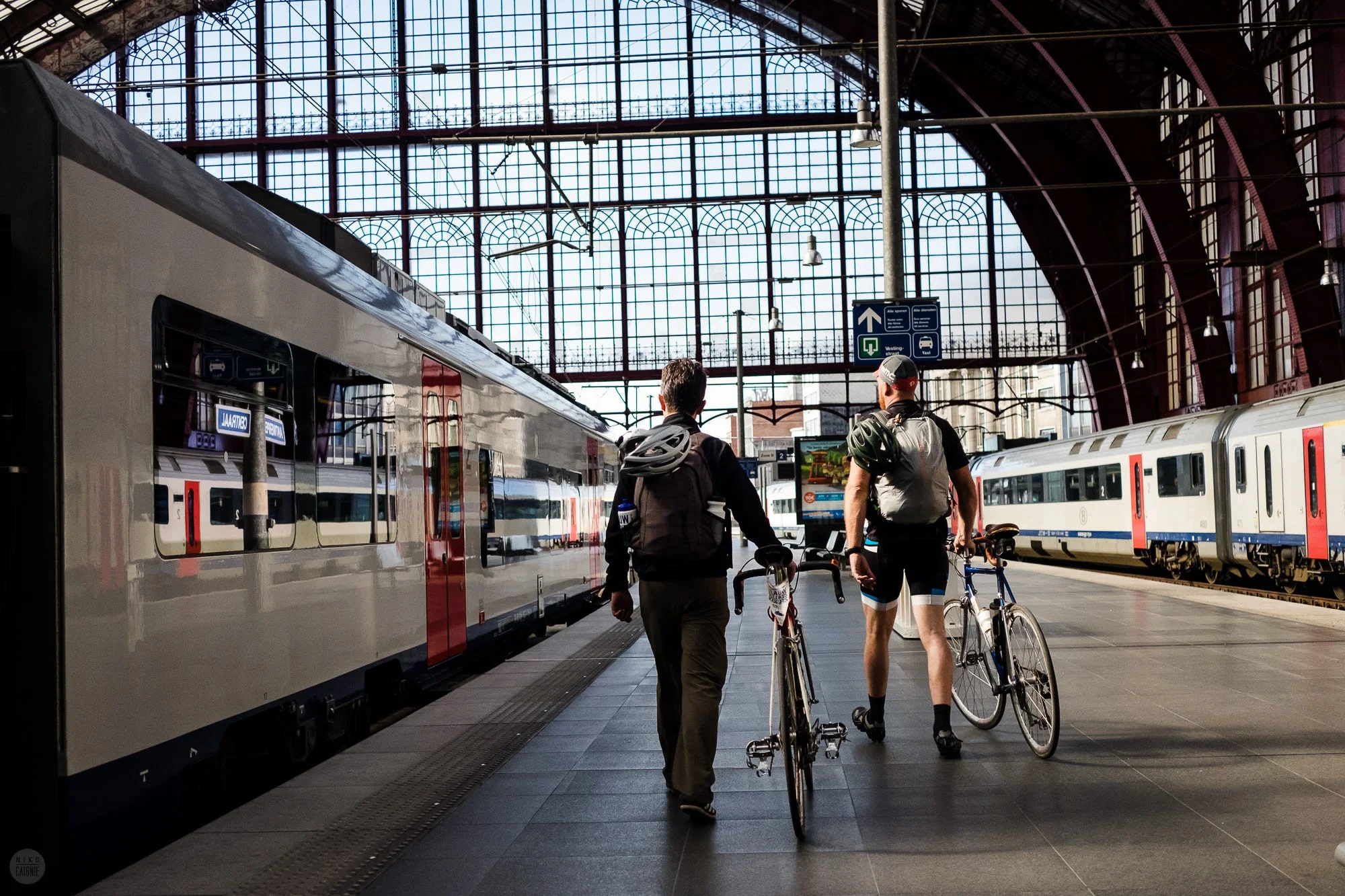
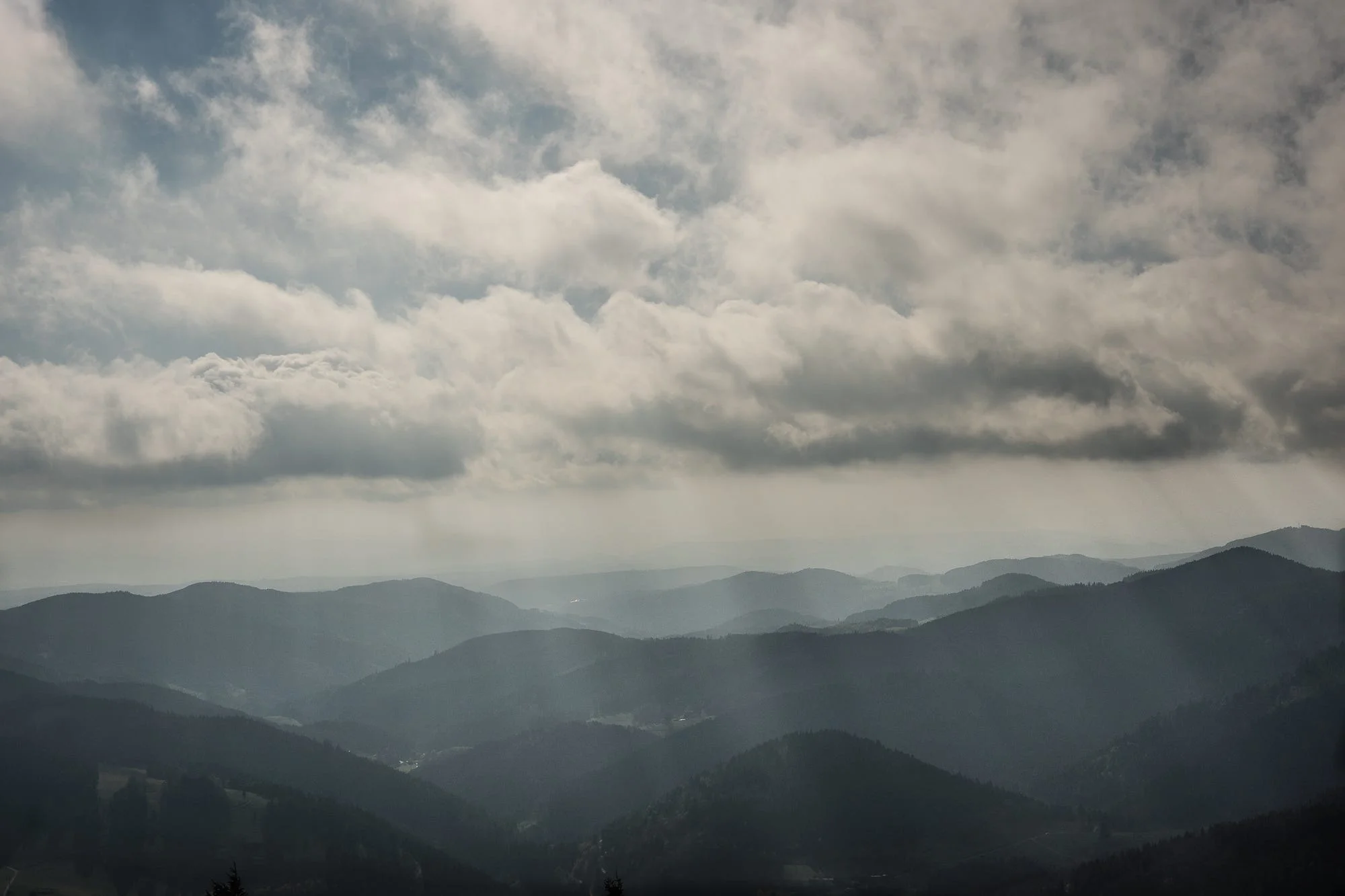
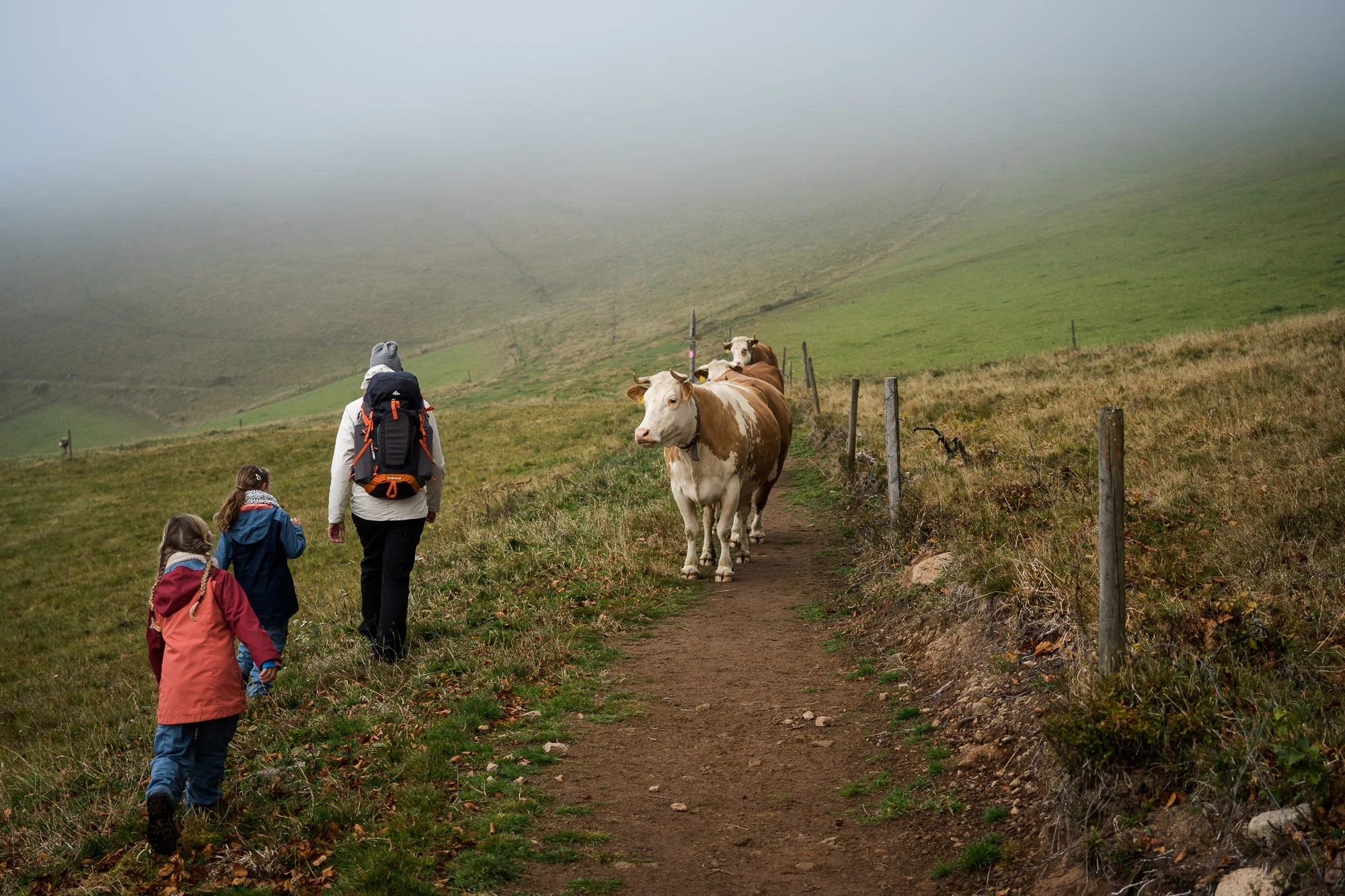
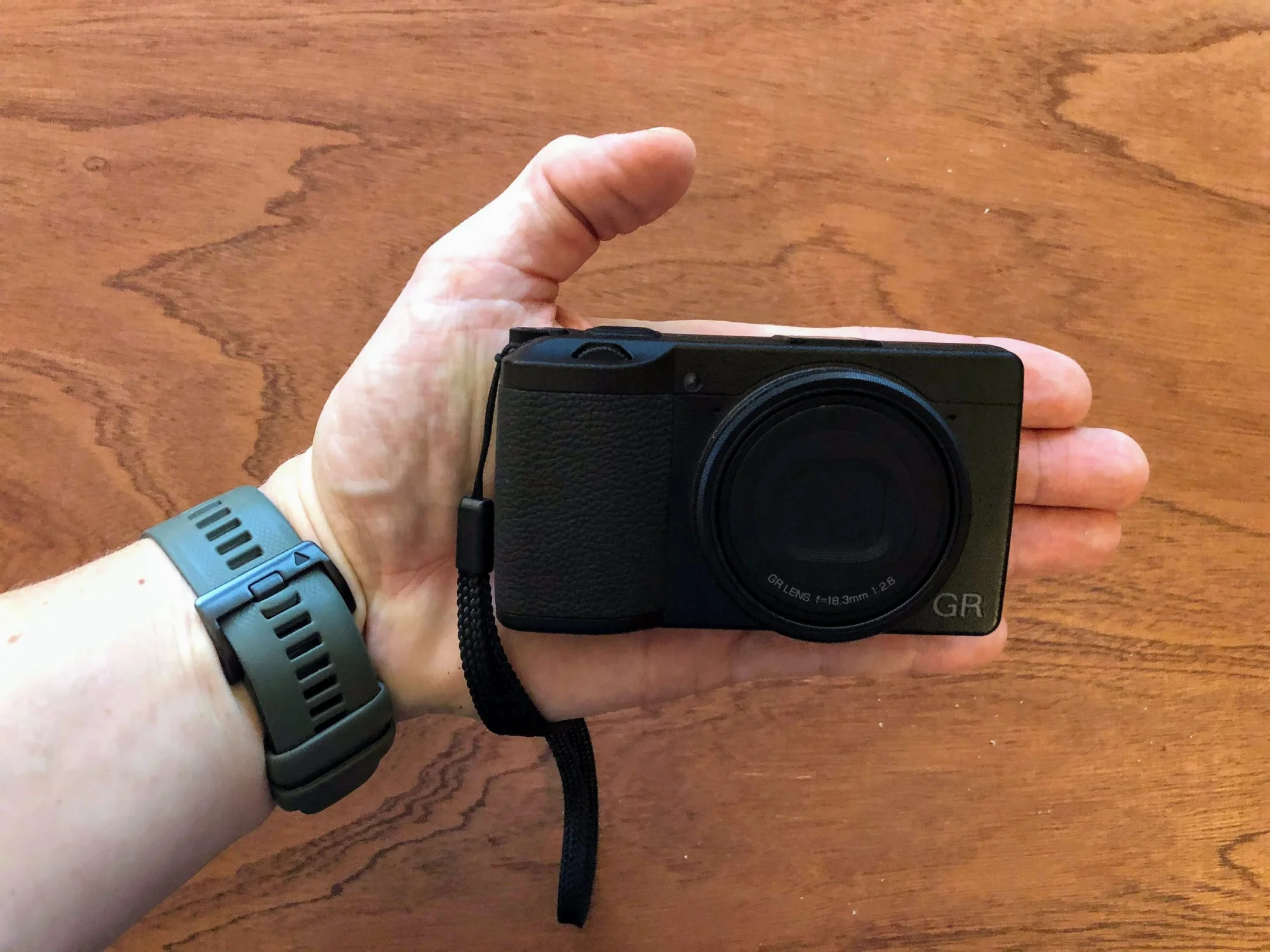
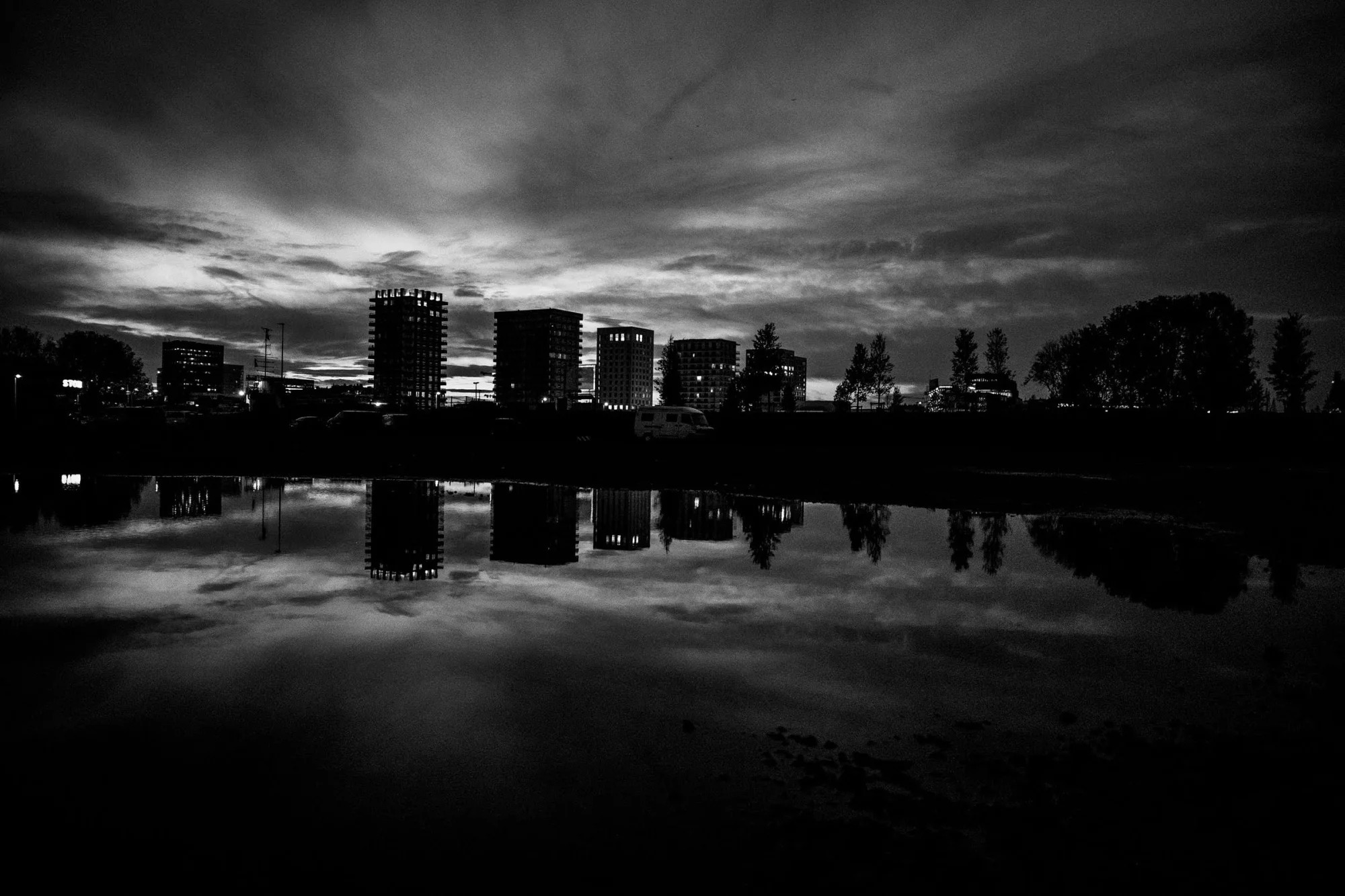
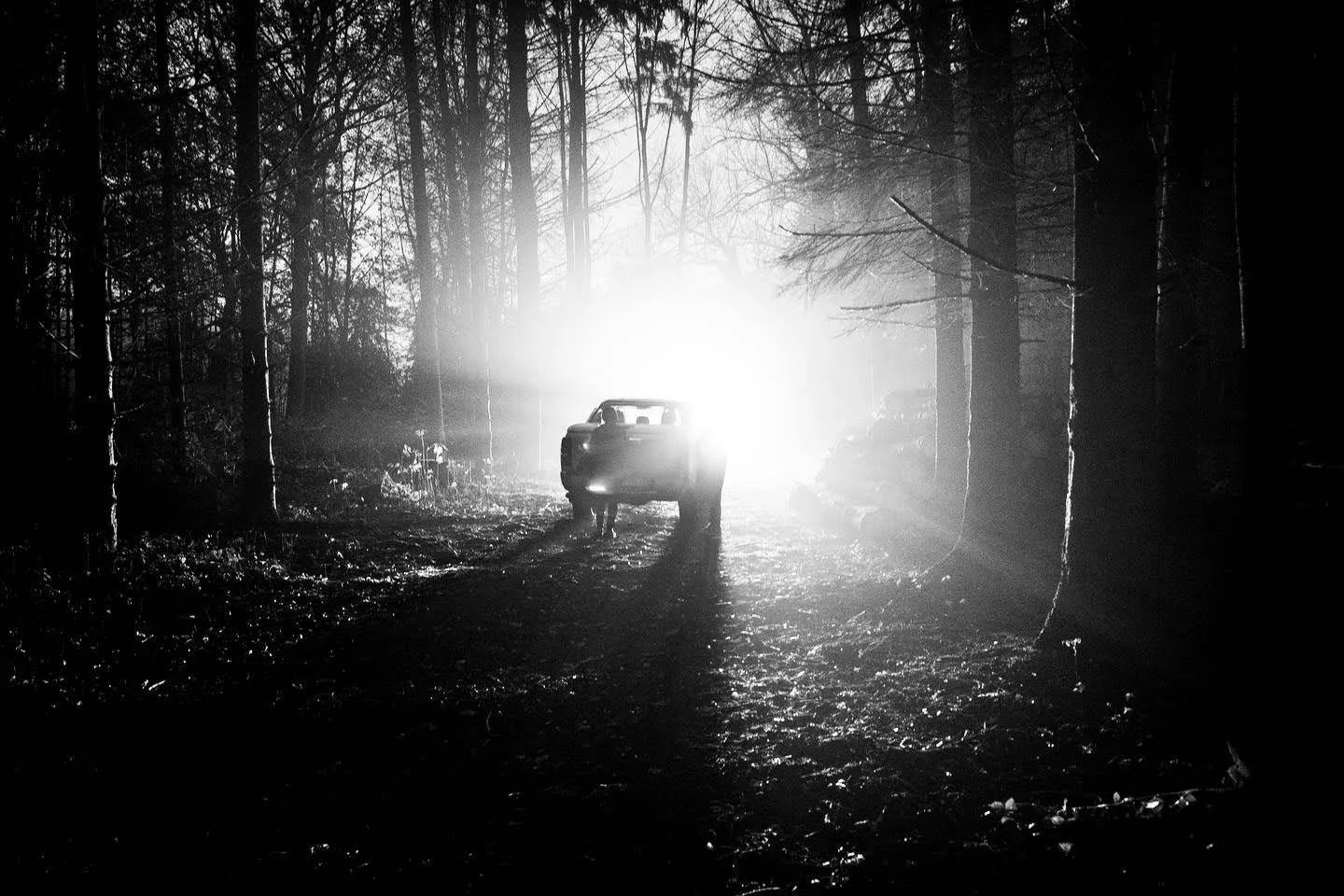
- For a few months now I have had a second favourite on the shelf: the Ricoh GRIII, a niche brand with a niche device. On paper it loses out to the Sony RX100 series on almost every front. But a number of things make this underdog very highly regarded within a limited group of users. The sensor is of exceptionally high quality, it is incredibly quiet, light and extremely compact, and it performs very well in low light. On top of that, its internal JPG processing has a lovely grain that gives the images a very analogue feel. Certainly at high ISOs. And the image stabilisation at slow shutter speeds is phenomenal. Also nice, and the reason it is so loved by many street photographers, is that with the “quick snap” function you can set the distance at which it should focus. If I press the shutter button quickly, I have it set to focus at 2.5 metres with an aperture of 5.6, which means I can easily capture nice street images without having to focus first: Quick Snap. These days I take it with me everywhere. And snapshot with it very often. I record everything in both RAW and JPEG. The JPEGs are for the nice processing and for sharing quickly. The RAW I can still edit myself later if I want. I have three modes preprogrammed so I can switch quickly: street as described above, a black-and-white reportage setting and a colour reportage setting. The only downside I find with the Ricoh GRIII is that it does not have a tilting screen. But that keeps it very compact and light, and it fits in any trouser or breast pocket. Most of the Ricoh images are in black and white, because that simply happens to be my preference at the moment.
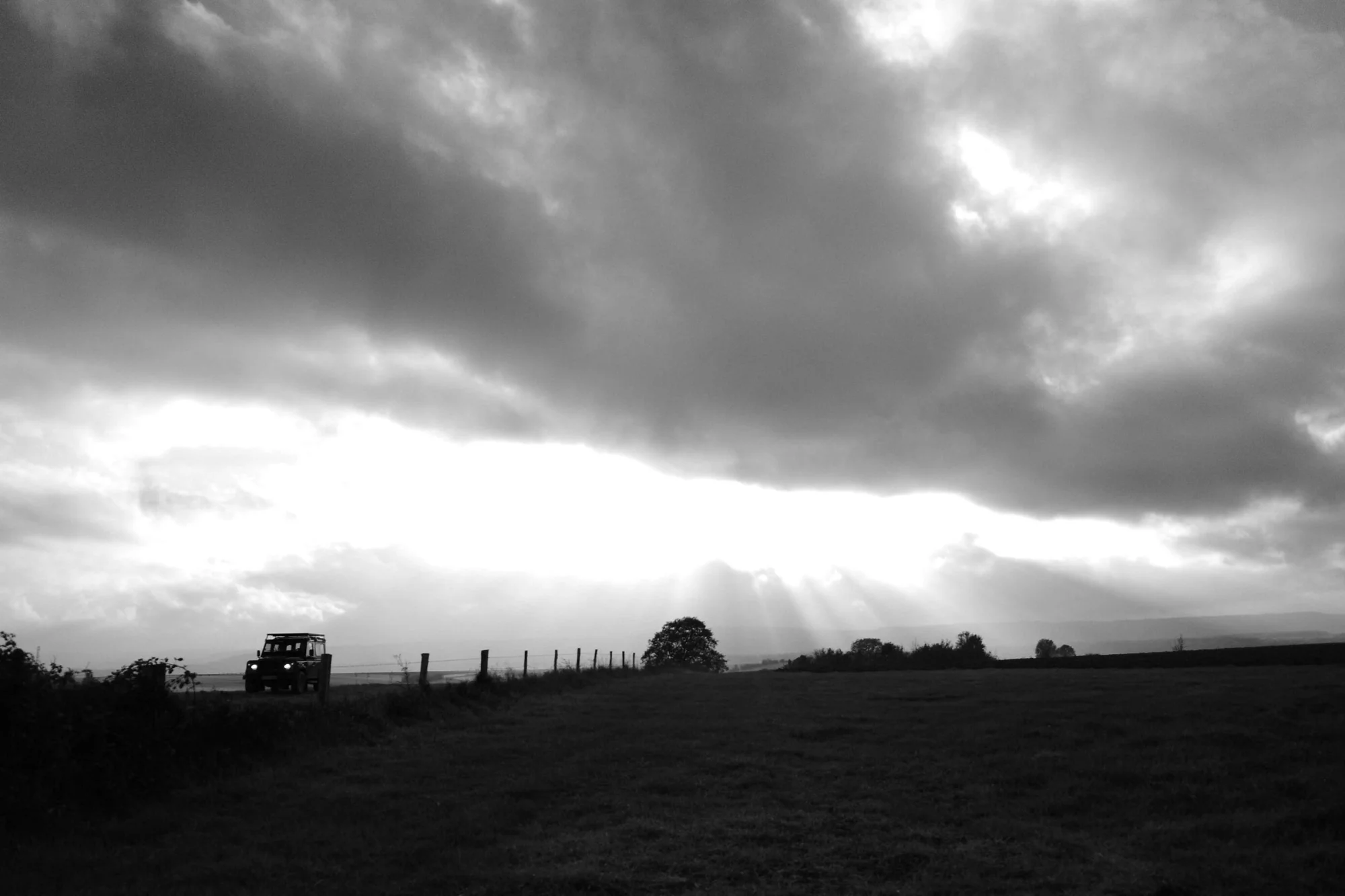
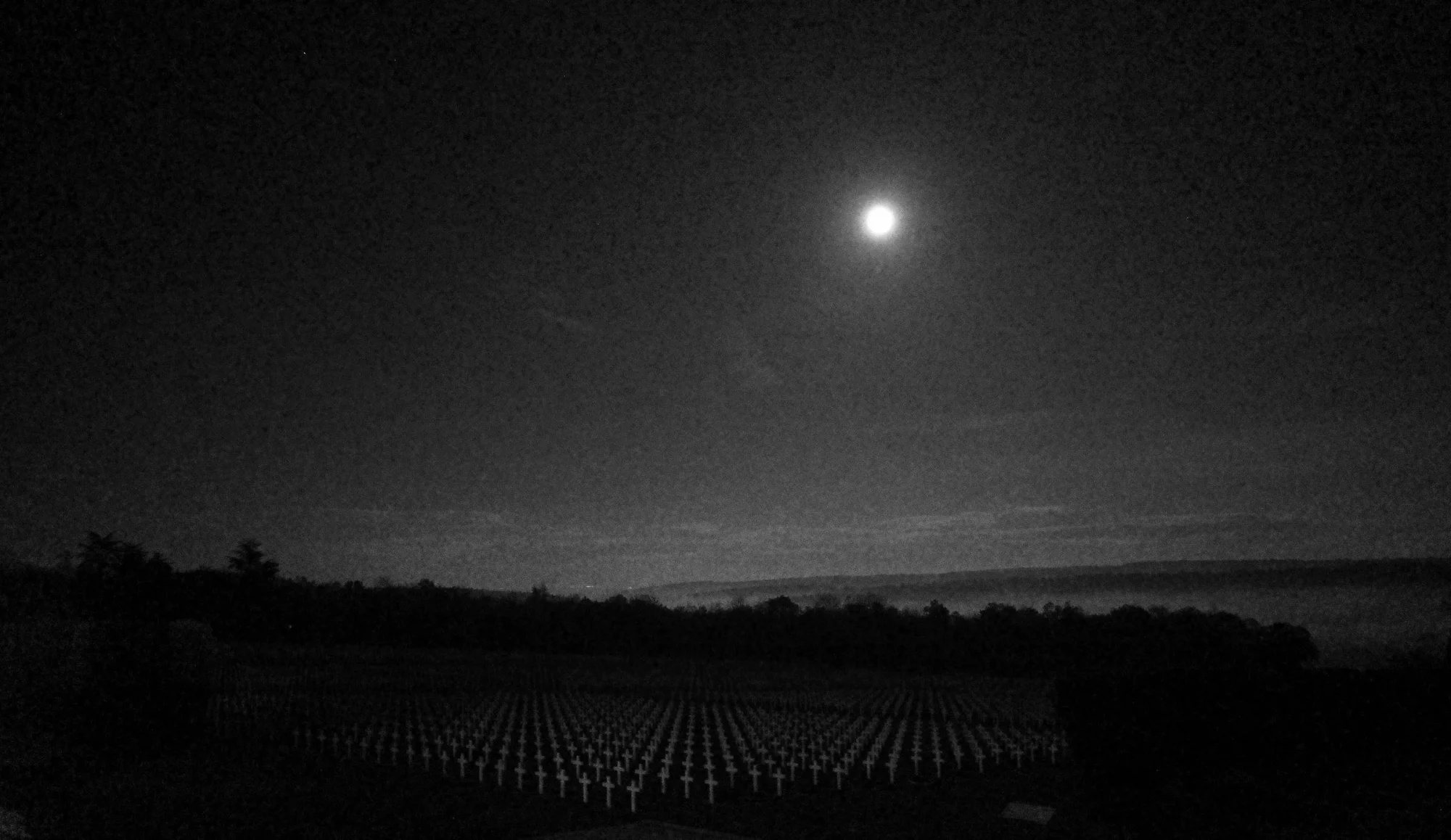
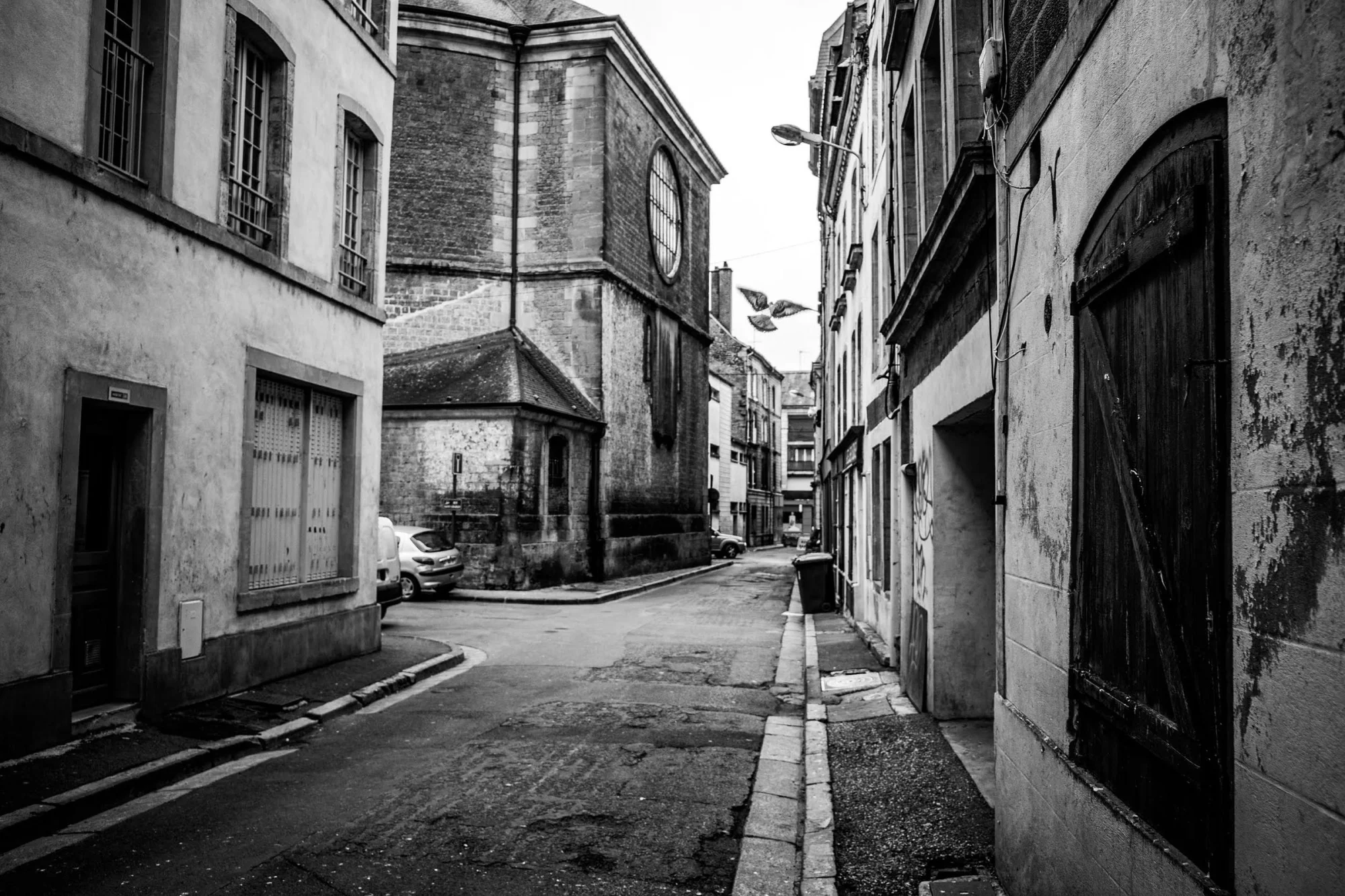
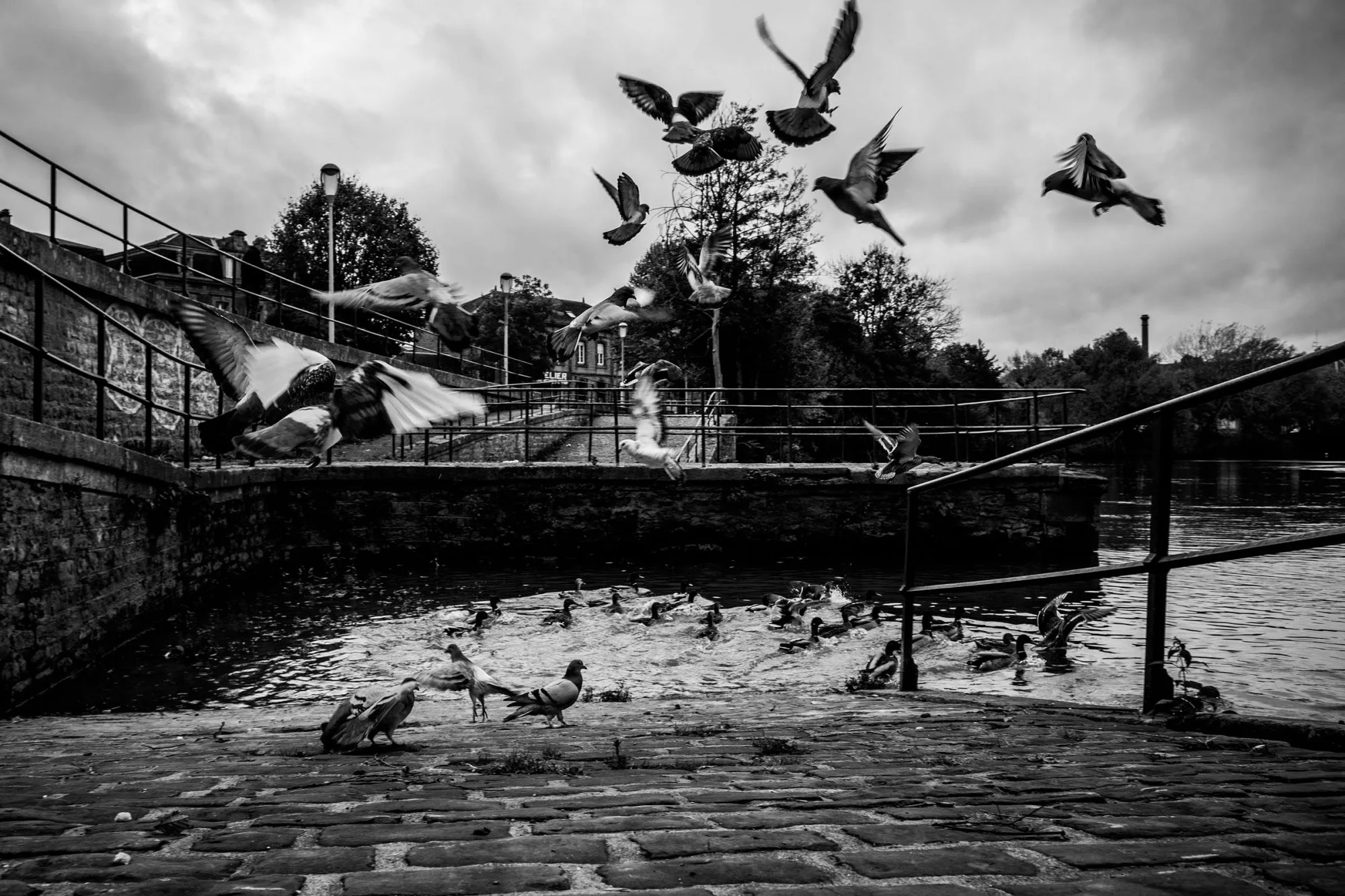
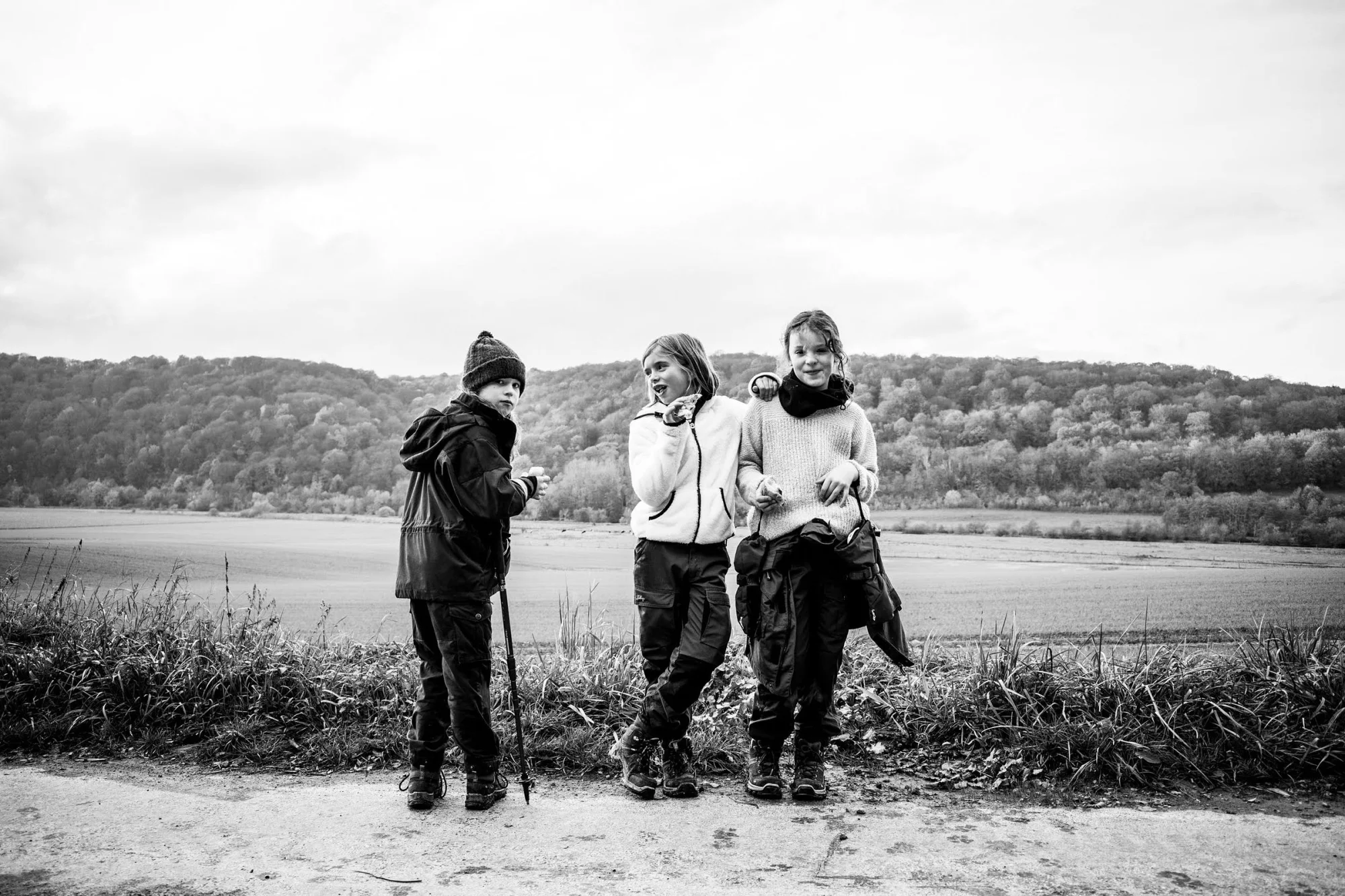
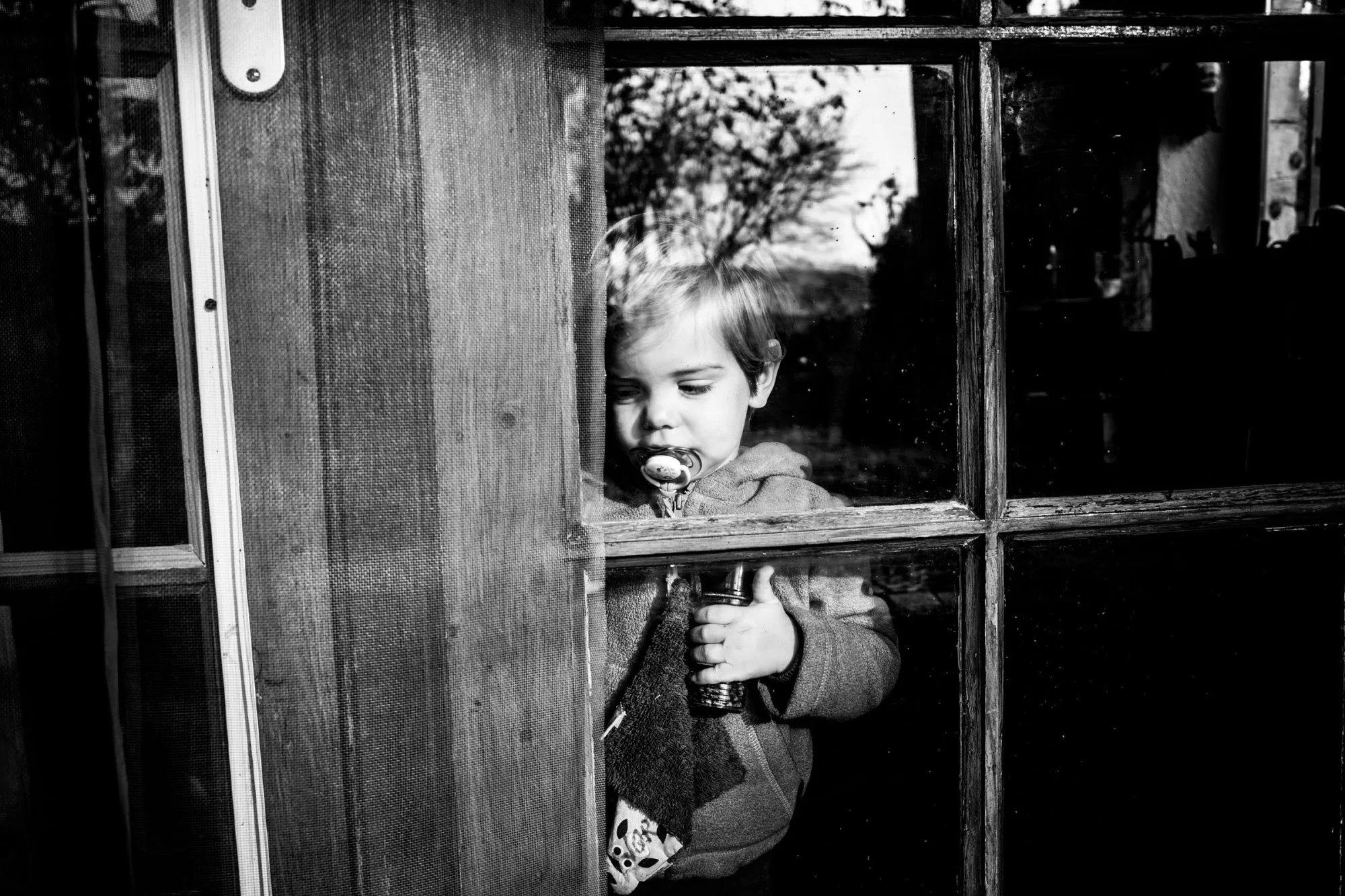
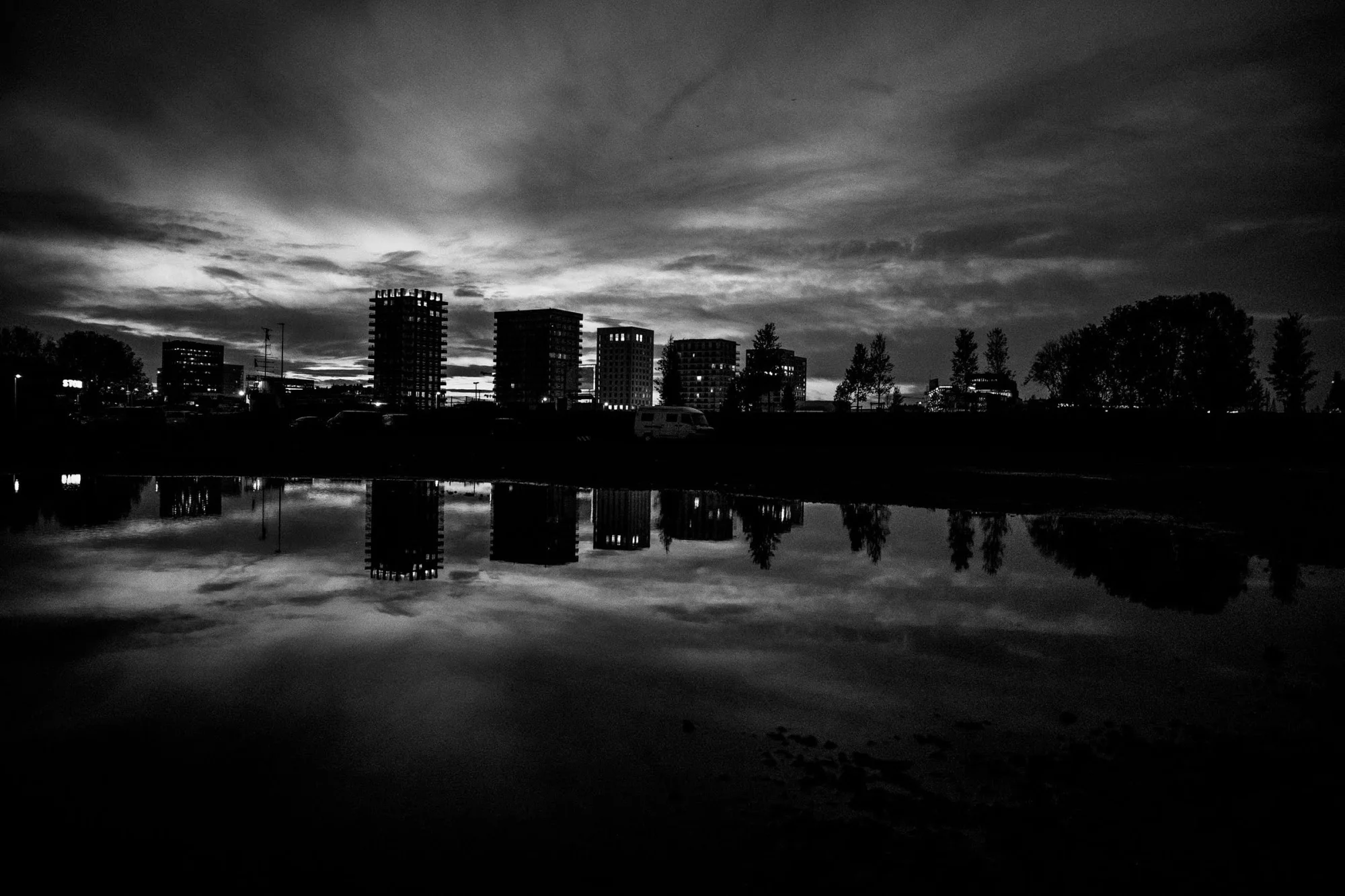
From my experience and humble opinion, the Sony RX100iii is a camera everyone should have in their pocket if you care at all about making images. Both devices have wifi built in to send images straight to your smartphone, and both have high image quality.
The Sony is a solid all-rounder that has something for everyone and, at a price tag of around 490 euros, is very affordable for a camera of that quality.
The Ricoh GRIII is a hidden gem with specs for lovers of street photography. At a price tag of 800 euros it is something you have to choose deliberately, because all-round it is not.
Big cameras with interchangeable lenses are not something you take with you everywhere, always. And then the purchase is a waste if a 1500 euro or more device is sitting at home in the cupboard while you document the nice, beautiful moments with your smartphone. Because that one does fit in your coat pocket.