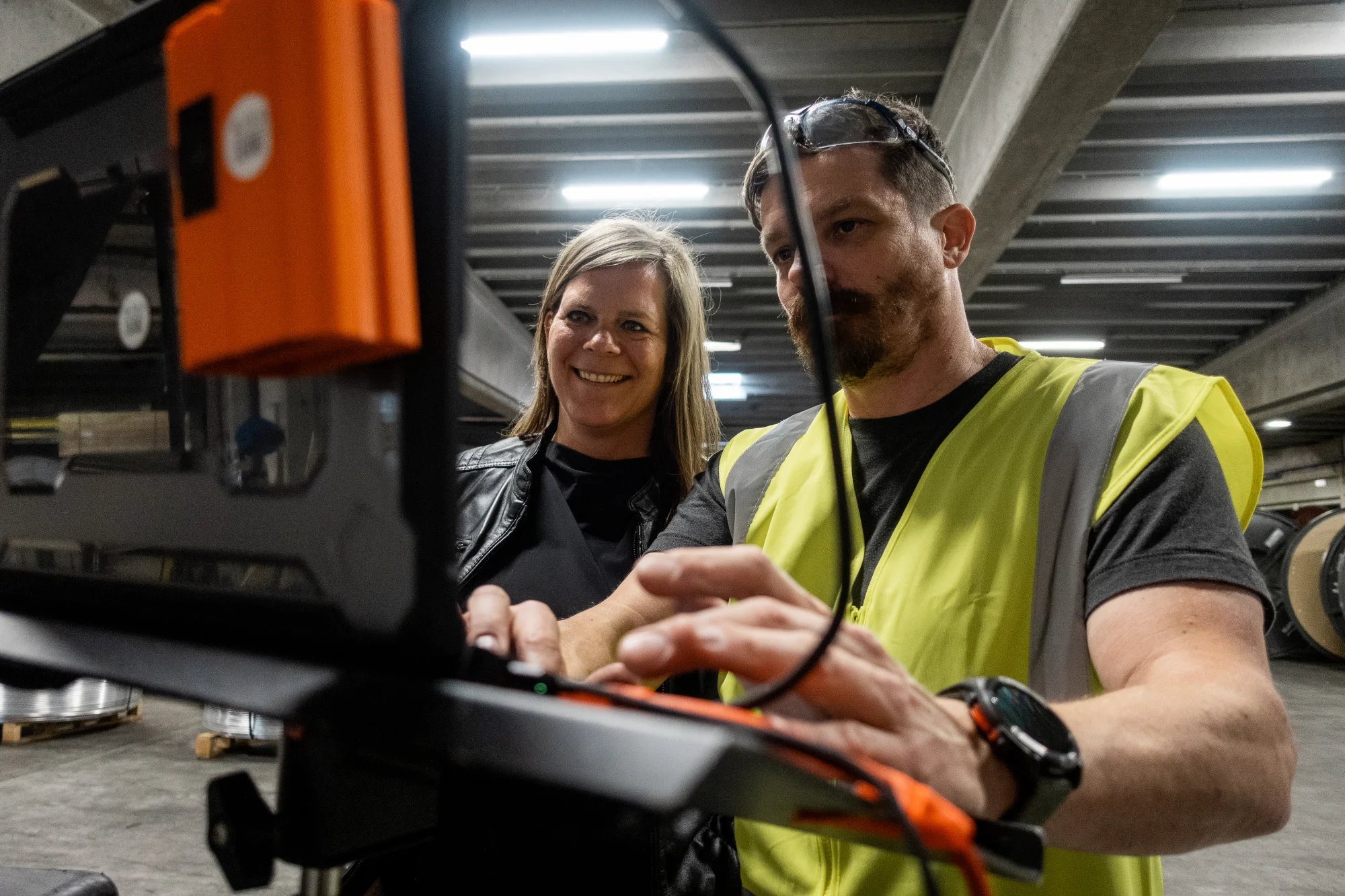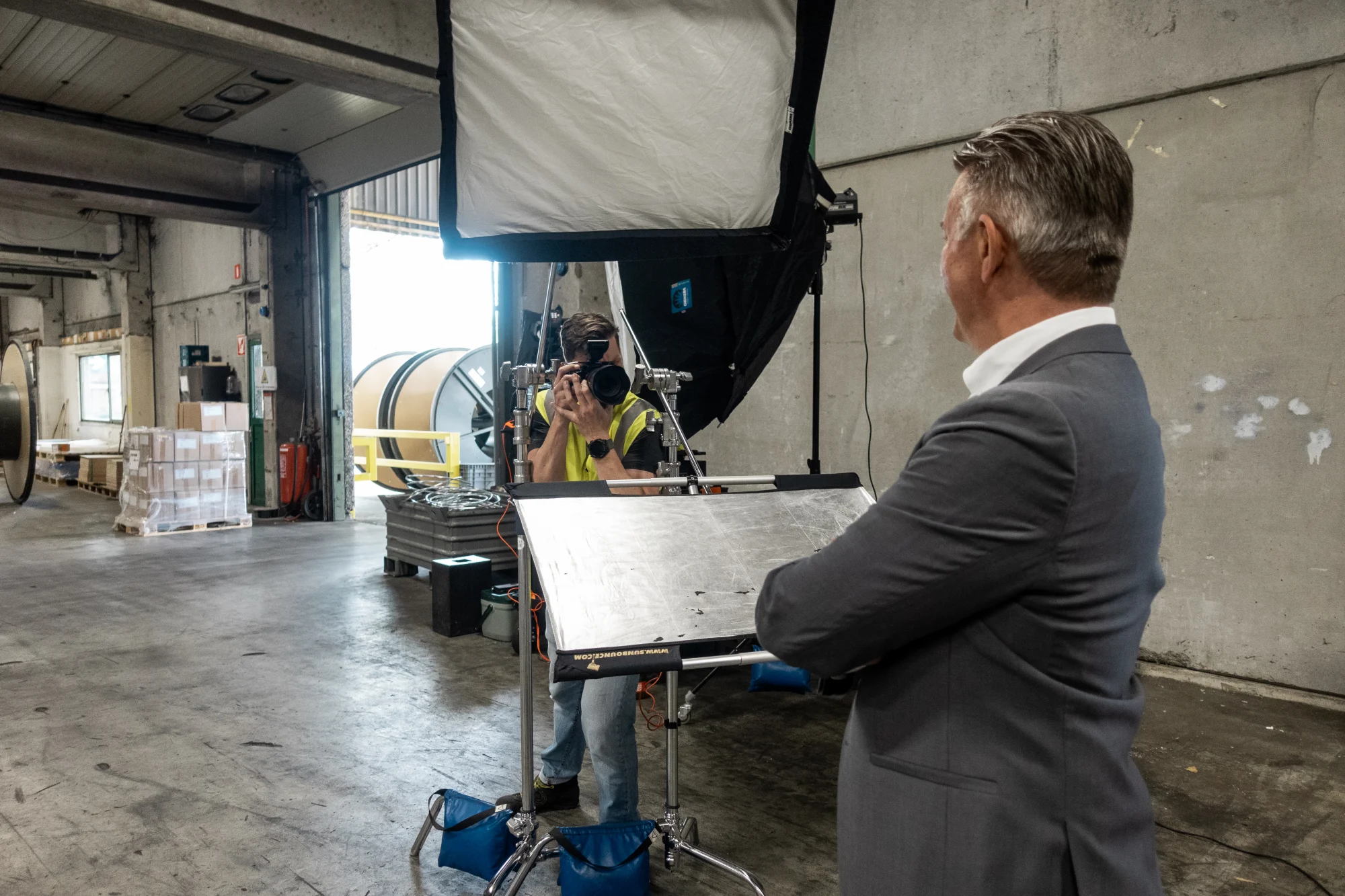
One thing I’ve learned (and keep learning) while doing portraits, whether it’s for personal projects, editorial stories or corporate clients, is this:
People don’t judge a portrait based on how it looks.
They judge it based on how it aligns with their self-image.
You can create a beautifully lit, honest, flattering portrait, with just the right expression, the right posture, and even some emotional depth.
But if the person in the frame doesn’t feel like that version of themselves… it’s game over.
They’ll say things like:
“I don’t really look like that.”
“I don’t like how my face sits.”
“That’s not my best side.”
But then they’ll look at their colleague’s portrait, same lighting, same lens, same photographer, and say:
“Wow, they look great.”
It’s not about objectivity. It’s not about visual quality.
It’s about identity.
About recognition. Or sometimes, the lack of it.
Self-image is the real client in the room
Portrait photography is rarely just about capturing someone’s face. It’s about capturing something that matches (or gently challenges) their mental image of themselves.
And honestly?
That image can be wildly outdated, overly critical, or shaped by years of hierarchy, team dynamics, or even trauma.
Especially in corporate environments.
Which is exactly why, when I do business portraits or company headshots, I always ask the team or colleagues to step out.
No spectators. No subtle smirks. No pressure from the manager or the intern watching over their shoulder.
Just me, the camera, and the person.
The magic of stepping out of group dynamics
Once someone is no longer “the boss,” or “the shy one,” or “the intern,” they’re free to just be… themselves. No roles to perform. No eyes to impress. It’s incredible how much difference that makes. Posture changes. Expression relaxes. Eyes aren’t constantly looking to see the reaction or interaction with their collegues. There’s suddenly space for something real.
And often, I don’t start with the camera up.
We talk. I listen. I try to feel how someone sees themselves, how they want to be seen.
And then I guide gently toward a version that’s both true and strong.
Not overly styled. Not hyper-retouched. Just authentic and confident, in their own way.
And when reviewing the photos I always ask a colleague to step in for a second opinion! Because often when they say “Ah you look great in that picture” the more insecure person will feel more confident about those photos. It’s all a mind game.
It’s not about perfection
The goal isn’t to make people look perfect. The goal is to make them feel seen, safe, and recognisable in their own portrait. And if I’ve done that even if the light wasn’t perfect or the background wasn’t studio-level clean, then I’ve done my job.
Because in the end, we’re not just taking pictures. We’re holding up mirrors and sometimes people need a minute to meet their reflection.