As a campaign photographer, I work in two completely different realities.
Some days, I’m shooting a dedicated photo campaign, where I lead the creative direction. We take hours to perfect a single shot. Every detail is under control—lighting, framing, expressions, styling. If something isn’t working, we adjust. There’s room to experiment, to refine, to craft the perfect image.
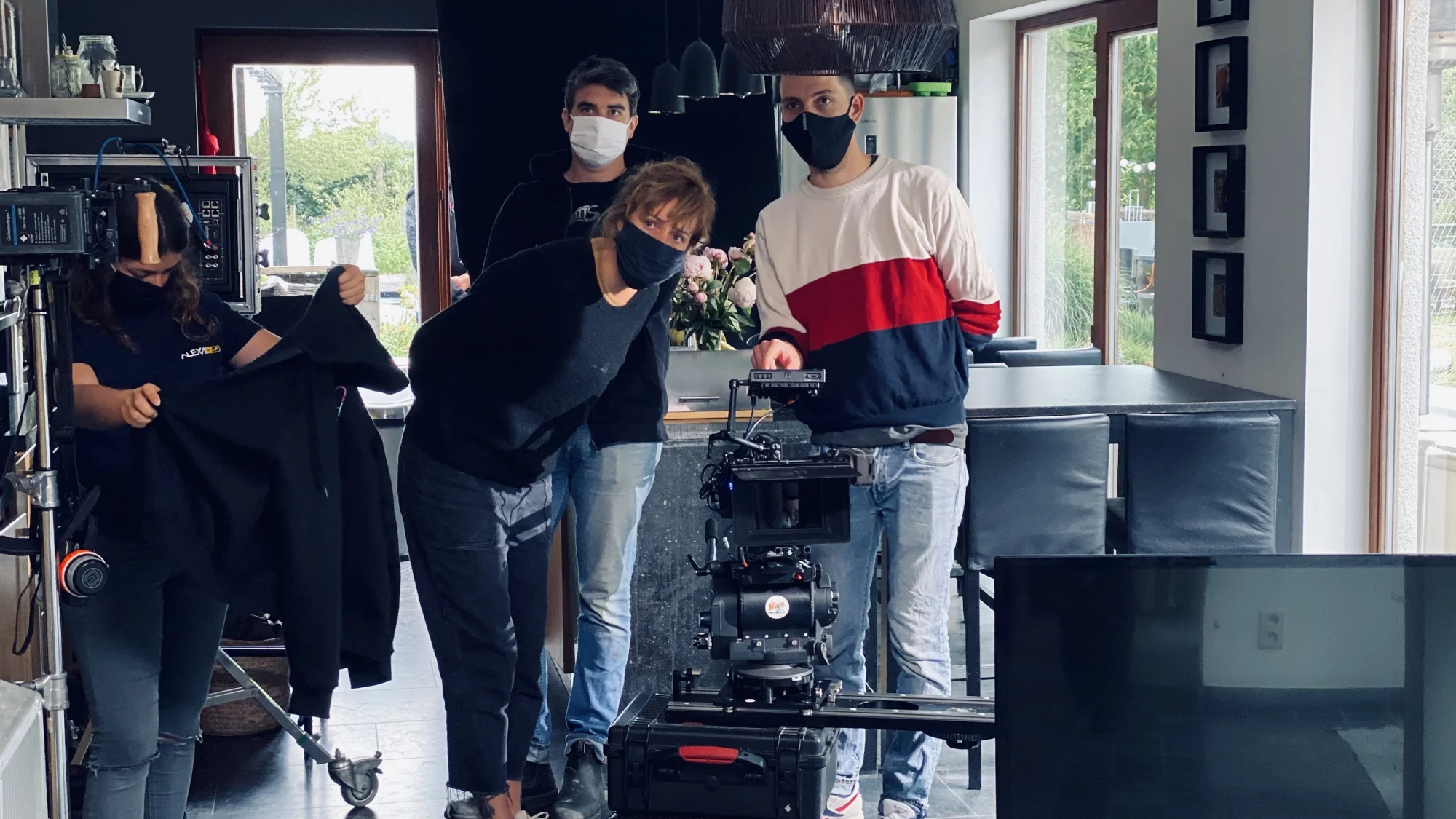
Other days? I’m the campaign photographer on the set of a TV commercial, where my entire shooting window is reduced to 15 minutes—or less.
And the kicker? I’ve already been on set for 10+ hours, waiting for that tiny window.
Two completely different approaches
When I’m working on a photo campaign, I have full control. The image is the priority, and everything revolves around getting it just right. We build the shot from the ground up, setting the scene, perfecting the lighting, and directing the subject with care. There’s time to fine-tune expressions, to tweak the angle of a light by a few centimeters, to make sure every detail aligns with the vision. If something isn’t working, we pause and rethink it. There’s no rush—only the pursuit of the perfect image.
On a TV commercial set, that entire approach is flipped on its head. The video shoot is the priority, and my job as a photographer is to work around it. There’s no adjusting the set to fit my shot, no time to reposition lights, no slowing down the process for the perfect pose. I get in, find my moment, and capture it within the constraints of an active, fast-moving production. The set is constantly shifting, and I have to adapt on the fly, finding compositions that work while ensuring my shots match the mood and script of the commercial.
While the video crew has their timeline planned, my moment is never guaranteed. Sometimes, the shoot runs late, scenes are reshuffled, or an opportunity disappears before I even get a chance to lift my camera. There’s no luxury of a reshoot. If I miss my window, the shot is gone.
It’s not just about waiting—It’s about staying ready and adapting
Those 10 hours before my 15 minutes? I’m not sitting in the car, waiting for my turn. I’m fully present, reading the set, watching how the video unfolds. I’m mentally mapping out shots, anticipating moments, and figuring out how to fit my work into the tight production schedule.
I need to make sure my shots seamlessly mirror the tone and script of the commercial—because ultimately, the campaign photos and the video need to feel like they belong together. A good campaign photo doesn’t just capture a moment; it captures the essence of the entire production in a single frame. And sometimes that is not possible, so I have to come up with a new idea on the fly to resemble the video campain.
Why we love the chaos
This isn’t a complaint—it’s what we thrive on. The contrast between long, methodical photo shoots and fast-paced, high-pressure set photography is exactly what makes this job exciting.
A photo campaign allows for artistic control, slow refinement, and the pursuit of a single perfect image. A video commercial set is an entirely different beast—one that demands flexibility, quick instincts, and an ability to perform under pressure. There’s no time to second-guess, no room for overthinking. You react, you adapt, and you capture what you can in the fleeting moments you’re given.
Some photographers love the time and control of a photo campaign. Others love the rush of capturing moments on a fast-moving video set. I love both—because mastering both makes you sharper, faster, and better at what you do.
So next time you see a perfectly executed campaign shot, remember: it was either the result of hours of refinement or 15 minutes of pure, high-stakes execution.
Either way, we get the shot.
Some examples of the 15 minute shots: