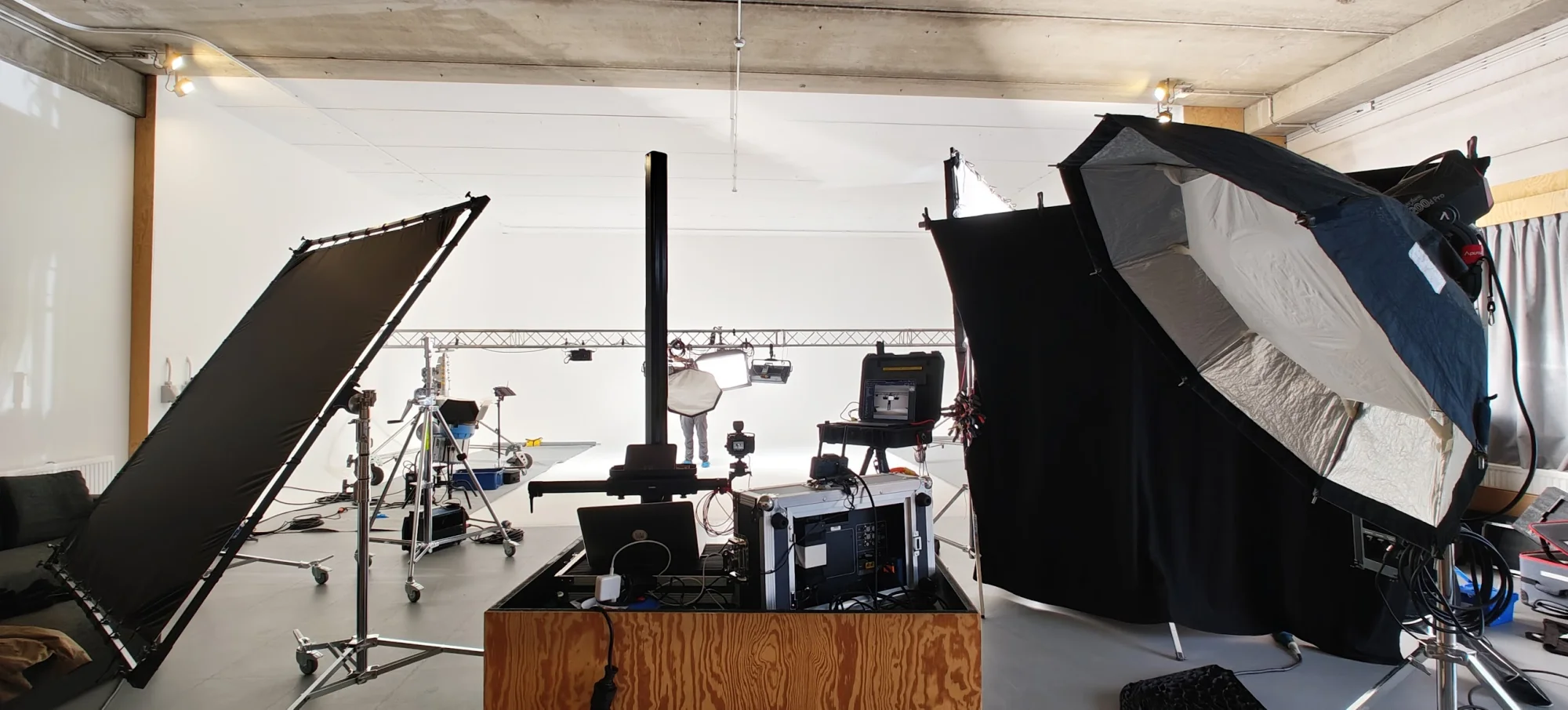
For me, combining both feels like a natural evolution. And honestly? It’s one of the most exciting—and challenging—aspects of my work.
For years, I focused purely on photography. One shot, one moment, perfectly captured. But over time, I realized that some stories needed more. Sometimes, a single frame wasn’t enough—I wanted to show what happened just before and right after that moment. That’s where the video came in.
What started as a few quick clips alongside my photography quickly turned into a deep dive into video. Because let’s be real: video isn’t just an extra function on your camera. It’s a completely different skill set.
Falling down the technical & gear rabbit hole
Once you start combining photography and video, you quickly realize: you’re never done learning. Photography already has its fair share of technical deep dives—lenses, lighting setups, color grading, retouching—but video? That’s a whole new beast.
Audio: Suddenly, it’s not just about what you see, but what you hear. Crisp dialogue? No background noise? No weird echoes? Welcome to the world of shotgun mics, lavaliers, boom poles, and the eternal struggle against wind noise.
Frame rates & motion blur: 25fps for broadcast, 50fps for smooth motion… unless you’re doing slow motion, then maybe 120fps or 240fps? But wait—does that match the project’s final output? Photography’s simple “shutter speed = motion” rule starts looking like child’s play.
Color grading: Editing a RAW photo is one thing. But color grading LOG footage? Now you’re dealing with scopes, LUTs, and making sure every clip from different cameras doesn’t look like a chaotic mess.
Editing workflows: In photography, you shoot, select, edit, and you’re done. In video? First, you organize your footage. Then sync the audio. Then cut for pacing. Then adjust color. Then tweak sound design. Then add motion graphics. And then… well, you get the idea.
And then… the gear rabbit hole.
I thought photography had a gear problem (hello, endless lens choices), but video? Video takes it to another level.
Camera bodies: Still cameras are relatively straightforward—you find the one that fits your needs and you’re set for a while. In video? Suddenly, you’re debating between mirrorless, cinema cameras, raw codecs, overheating issues, and whether you need 4K, 6K, or even 8K (spoiler: you probably don’t, but the FOMO is real).
Lighting: That perfect flash setup you love for photos? Useless in video. Now you need constant lighting, and not just any lights—soft enough for faces, bright enough for exposure, flicker-free at all frame rates. And suddenly, you own an army of LED panels, softboxes, diffusion screens, and C-stands.
Audio gear: In photography, you never think about how a scene sounds. In video, you’re now obsessed with microphones, preamps, recorders, windshields, and whether your talent should wear a lav or speak into a boom mic. Another Rabbit hole in the rabbit hole…. aaaah
Stabilization: Handheld for that raw, organic feel? Gimbal for cinematic smoothness? Tripod for locked-off shots? Oh, and now you need a slider. And maybe a jib. And before you know it, you’re researching drones.
So I got the drone license….
At some point, you stop and think: How did I go from carrying a backpack with one camera and two lenses… to hauling a full production rig with cases of gear?
And yet… it’s all worth it.
Because every piece of gear, every new skill, every deep-dive into technical madness makes you a better storyteller. Photography and videography are just different tools to capture a vision, and the challenge of mastering both is exactly what makes it so rewarding.
Two ways to tell a story
One of the first things I realized? The way I work as a photographer is a huge advantage in video.
When I shoot, I often give my models or subjects small scripts—nothing complicated, just enough to help them get into a certain mindset. A simple prompt can completely transform their expression, making a photo feel real instead of posed. And that same approach works perfectly in video.
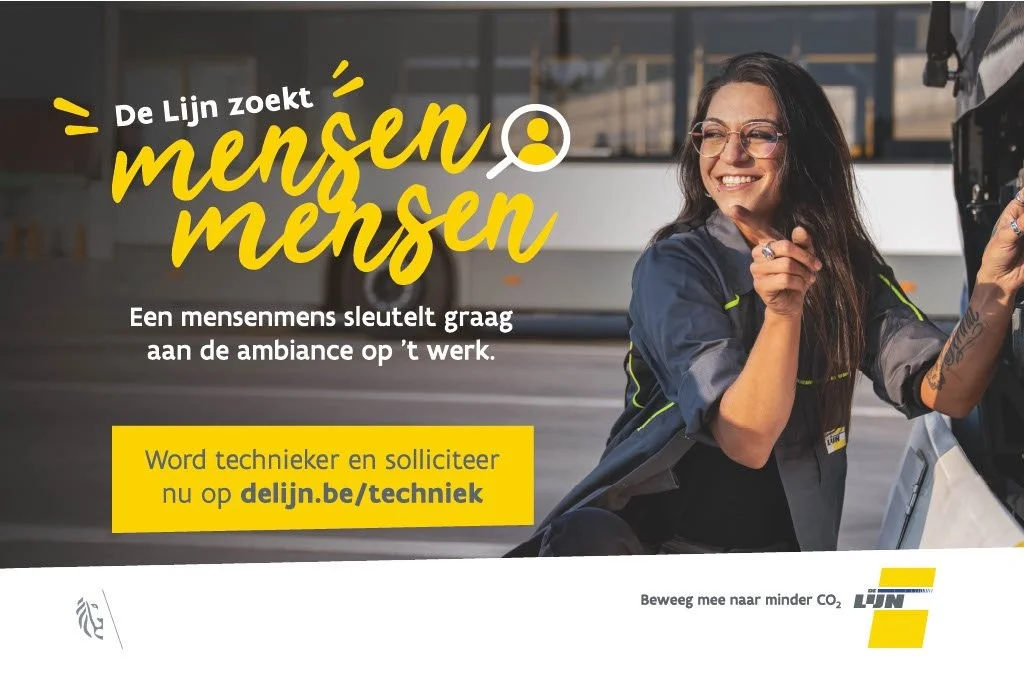
I saw this in action during the De Lijn x Accenture campaign. The goal was to capture natural, authentic moments—not stiff poses, but real interaction and movement. By giving the subjects subtle direction (“Insert my secret jokes here 🫣”), I was able to create footage that worked both as stills and in motion.
For photography: genuine expressions, natural body language, real connection.
For video: fluid movement, energy, a story unfolding in seconds.
The best part? These two mediums fuel each other. Video has made me more aware of storytelling and timing, while photography keeps me sharp on composition and lighting.
Not “either-or,” but “both”
Video hasn’t replaced photography for me. Photography is still my first love. But videography has become a full-fledged skill—not just a side gig or an afterthought. And a secret lover behind the back of my photography passion.
You have to stay laser-focused all day—there’s no downtime.
Your days are longer because, well, you’re doing twice the work.
You have to think differently about every shot: does this work as a photo and a video?
But that’s exactly what makes it so rewarding. You’re not just capturing moments—you’re shaping an entire campaign from start to finish. The creative control, the storytelling, the satisfaction of seeing it all come together? Absolutely worth it.